

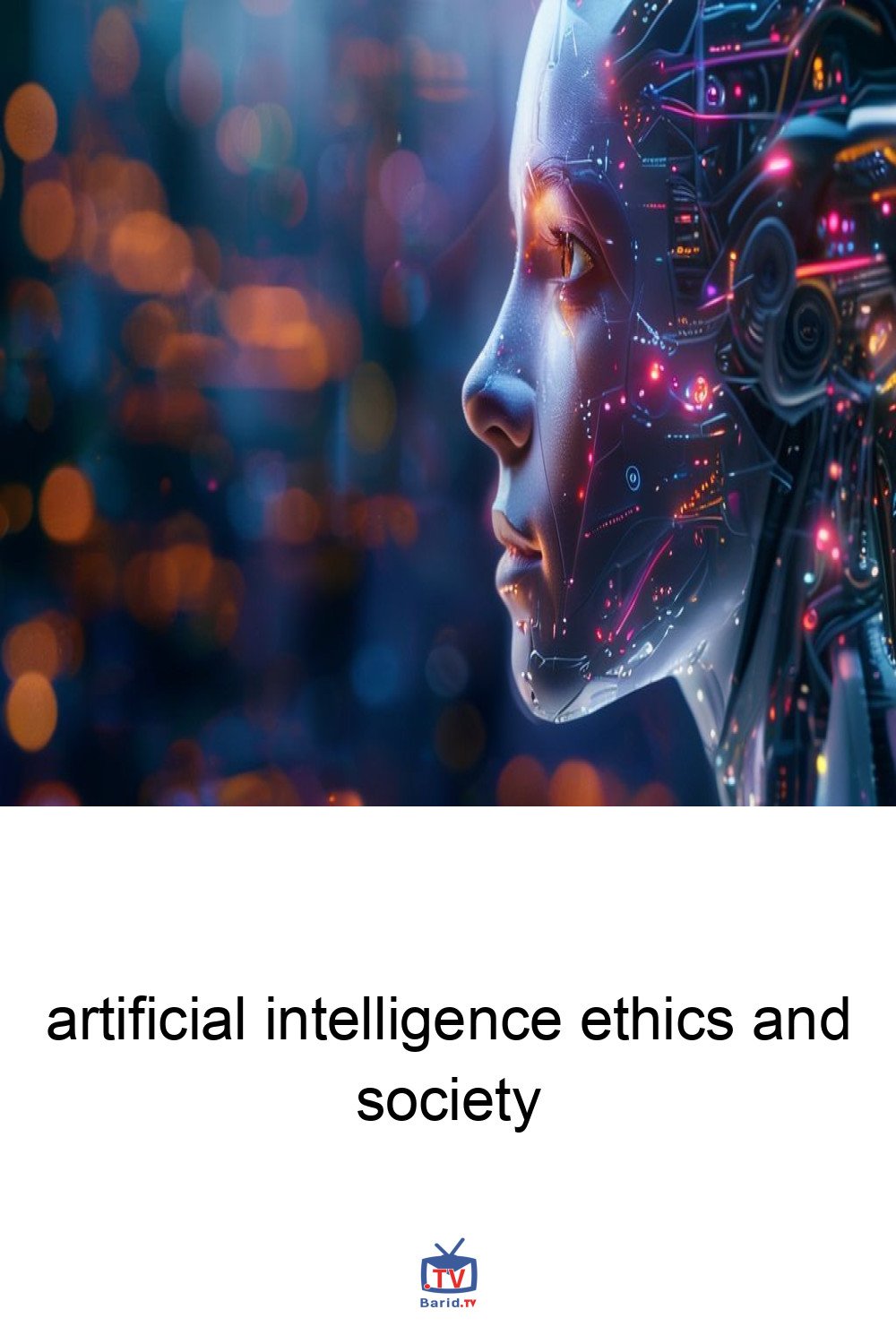
Artificial Intelligence Ethics and Society: A Growing Concern
(AI) has revolutionized various aspects of our lives, from healthcare and finance to transportation and education. However, as AI continues to advance and become more integrated into our daily lives, concerns about its ethics and impact on society have grown.
The Need for AI Ethics
Transparency and Accountability: AI systems must be transparent in their decision-making processes and accountable for their actions.
- Diversity and Inclusion: AI systems must be designed to be inclusive and representative of diverse perspectives and experiences.
- Bias and Fairness: AI systems must be designed to minimize bias and ensure fairness in their decision-making processes.
Privacy and Security: AI systems must be designed to protect user data and prevent unauthorized access.
- Job Displacement: AI systems must be designed to augment human capabilities rather than replace them, and to provide support and training for workers who may be displaced by automation.
The Impact of AI on Society
AI has the potential to greatly benefit society, but it also poses significant risks and challenges. Some of the key concerns include:
- Job Displacement: AI has the potential to automate many jobs, leading to widespread unemployment and social disruption.
- Bias and Discrimination: AI systems can perpetuate and amplify existing biases and discriminatory practices if they are not designed with fairness and transparency in mind.
- Privacy and Security: AI systems can be vulnerable to cyber attacks and data breaches, compromising user privacy and security.
- Dependence on Technology: Over-reliance on AI can lead to a decline in human skills and abilities, making us vulnerable to technological failures and disruptions.
The Future of AI Ethics and Society
To address the growing concerns about AI ethics and society, it is essential to develop and implement policies and regulations that prioritize transparency, accountability, and fairness. This includes:
- Establishing clear guidelines and standards for AI development and deployment.
- Investing in education and training programs that prepare workers for an AI-driven economy.
- Implementing policies and regulations that protect user data and prevent bias and discrimination.
- Fostering public engagement and dialogue about the benefits and risks of AI.
By working together, we can ensure that AI is developed and used in ways that benefit society as a whole, while minimizing its risks and challenges.