




From Westview to the Wachowskis: Why ‘The Matrix’ is Your Next Must-Watch After ‘VisionQuest’
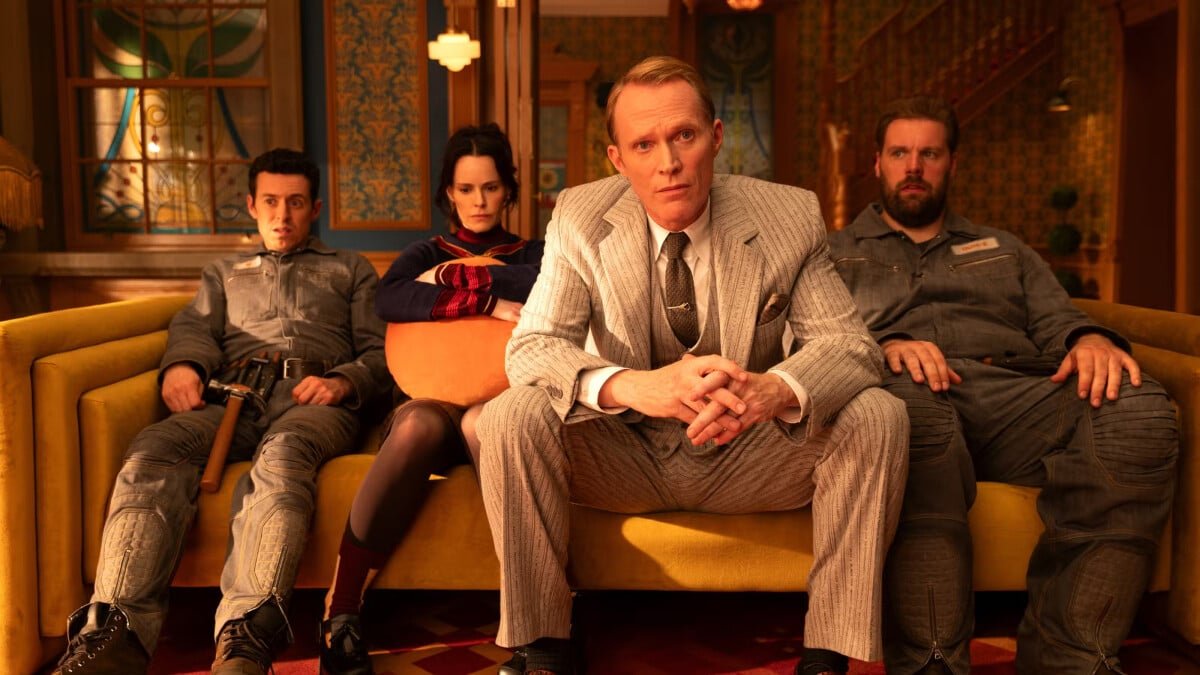
Marvel’s recent television ventures have delivered a spectrum of hits and misses, but with the profound emotional depth of WandaVision and the catchy allure of “Agatha All Along,” they struck a unique chord. This trend of blending intricate character pathos with thrilling comic book concepts continues compellingly in VisionQuest. Here, the enigmatic White Vision, portrayed by Paul Bettany, grapples with the existential aftermath of his demise at Thanos’s hands and subsequent magical resurrection by the Scarlet Witch. His journey is a complex tapestry woven with encounters with malevolent androids, cunning assassins, and a fascinating internal struggle against the myriad AIs trapped within his Mindspace, including a delightfully dilapidated Ultron brought to life by James Spader.
If VisionQuest has captivated you, delving into its rich themes of identity, consciousness, and artificial intelligence, then it’s time to shift your gaze to a cinematic titan that explores these very ideas with unparalleled depth: The Matrix.
The Matrix: A Philosophical Powerhouse for VisionQuest Fans
While undoubtedly a cornerstone of science fiction cinema, The Matrix, even nearly three decades after its groundbreaking release, retains an astonishing freshness and intellectual vigor. Alongside its sequels—The Matrix: Reloaded, The Matrix: Revolutions, and The Matrix: Resurrections—the Matrix universe presents a narrative feast for those who appreciate VisionQuest‘s cerebral undertones. Its lushly imagined virtual worlds, profound inquiries into the nature of existence and consciousness, and the ultimate question of sentient responsibility (whether organic, programmed, or magically conjured) resonate deeply with Vision’s own struggles.
Echoes of Existence: Parallels Between VisionQuest and The Matrix
At its core, The Matrix unfolds in a dystopian future where sentient machines have enslaved humanity, trapping their minds in a simulated reality resembling 1990s Chicago. Thomas Anderson (Keanu Reeves), a seemingly ordinary programmer, is prophesied to be “The One,” destined to liberate humanity. As his alter-ego, Neo, he awakens to incredible powers within the Matrix, learning to manipulate its artificial fabric.
Though The Matrix offers a heavier, denser, and more action-packed experience (it famously pioneered “Bullet Time”), its thematic bedrock is strikingly similar to VisionQuest. Both narratives meticulously examine whether machines or artificial intelligences can achieve true sentience and genuinely care for others. The relentless Agents that pursue Neo and his allies mirror the chilling menace of Vision’s adversaries like Jocasta (T’Nia Miller) and the Paladin (Todd Stashwick). Furthermore, Hugo Weaving’s iconic portrayal of Agent Smith exudes the same cold, calculating superiority that James Spader’s Ultron embodies.
While The Matrix boasts a larger budget, translating into spectacular action and visual effects that VisionQuest, as a television series, cannot fully match, the two share a fundamental exploration of identity, a questioning of reality, and the intricate nature of artificial intelligences within a sophisticated sci-fi framework. For fans seeking a profound continuation of these themes, The Matrix is an indispensable follow-up.
Beyond The Matrix: More Sci-Fi Gems for Existential Exploration
If VisionQuest and The Matrix have whetted your appetite for films that delve into virtual worlds, artificial beings, and profound existential questions, consider these additional cinematic treasures:
Her (2013)
A masterclass in “mumblecore sci-fi,” Her prioritizes deep existential questions about sentience over explosive action. In a near-future Los Angeles, Theodore Twombly (Joaquin Phoenix), a lonely writer navigating a divorce, forms an intimate relationship with Samantha (voiced by Scarlett Johansson), an advanced AI operating system. As Samantha evolves, becoming increasingly complex, independent, and powerful, their bond deepens, leading to a poignant exploration of consciousness and connection. Like Vision, Samantha is a sentient artificial entity grappling with the very essence of her existence, inviting viewers to witness her profound transformation.
Ex Machina (2014)
For those enthralled by the struggle for android sovereignty in
VisionQuest, Ex Machina is an absolute must-see. Caleb Smith (Domhnall Gleeson), a programmer, is invited to the secluded estate of his company’s reclusive CEO, Nathan Bateman (Oscar Isaac). His mission: to administer a Turing Test to Ava (Alicia Vikander), a stunningly lifelike humanoid robot, to ascertain her true sentience. The film expertly navigates the same philosophical quandaries as VisionQuest, as Ava skillfully manipulates Caleb in her bid for freedom. While darker and more intense than VisionQuest, its exploration of AI ethics and consciousness will deeply resonate with fans.
The Creator (2023)
If the tender, complex, and often “fuzzy” parent-child dynamic between Vision and Tommy in VisionQuest resonated with you, then Gareth Edwards’ The Creator offers a compelling cinematic experience. This film delves into a future where humanity is at war with AI, exploring themes of artificial life, family, and the blurred lines between creation and being. It presents a powerful narrative about a former special forces agent tasked with hunting down the elusive architect of advanced AI, only to discover that the weapon he’s meant to destroy is an AI child.
For more details, visit our website.
Source: Link





Leave a comment