





The Quest for Cognitive Clarity: Which Diet Reigns Supreme?
For decades, the pursuit of the ‘ultimate’ diet for brain health has captivated scientists and health enthusiasts alike. While the Mediterranean diet often garners the most attention and plant-forward approaches receive honorable mentions, a recent groundbreaking study sought to move beyond isolated observations. Instead, researchers embarked on an ambitious head-to-head comparison, evaluating multiple popular dietary frameworks within the same vast population to pinpoint which truly offered the most robust and lasting cognitive benefits.
Published in JAMA Neurology, this extensive analysis delved into the dietary habits and cognitive outcomes of over 159,000 adults, tracking their journeys for decades. The findings illuminate a clear frontrunner, and the key dietary components driving its success may be more straightforward than many expect.
A Deep Dive into Six Dietary Patterns
The study meticulously analyzed data from three major cohorts, encompassing 159,347 participants with an average age of 44 at the outset. Researchers employed detailed dietary questionnaires to monitor eating habits over time, subsequently scoring each participant’s diet against six well-established patterns:
- The Alternate Healthy Eating Index
- The DASH (Dietary Approaches to Stop Hypertension) diet
- The Healthful Plant-Based Diet Index
- The Planetary Health Diet Index
- Diet patterns associated with lower insulin spikes
- Diet patterns associated with lower inflammation
Two critical outcomes were examined: subjective cognitive decline (self-reported worsening memory or thinking) and objectively measured cognitive function, assessed through rigorous testing in a subset of participants.
The DASH Diet: A Champion for Your Brain
While all six healthy dietary patterns demonstrated an association with a reduced risk of cognitive decline, one emerged as the undisputed leader. The DASH diet, initially conceived to manage blood pressure, exhibited the most potent and consistent links to both lower subjective cognitive decline and superior objective cognitive function.
Participants who adhered most closely to the DASH diet enjoyed an impressive 41% lower risk of cognitive decline compared to those with the lowest adherence. Intriguingly, the timing of this dietary commitment proved crucial. The strongest associations were observed among individuals who embraced the DASH pattern during midlife, specifically between the ages of 45 and 54. This finding powerfully reinforces the growing body of evidence suggesting that brain-healthy habits adopted in midlife can profoundly shape cognitive aging decades later.
The Foods Fueling Cognitive Excellence
Beyond overarching dietary patterns, the researchers also pinpointed specific food groups that were instrumental in driving these positive outcomes. Two categories consistently stood out for their strong links to better cognitive health:
- Vegetables: A cornerstone of the DASH diet, their rich nutrient profile appears vital for brain function.
- Fish: Particularly those high in omega-3 fatty acids, fish consumption was strongly associated with improved cognitive measures.
Conversely, certain foods exhibited the opposite effect, correlating with poorer cognitive outcomes across the population. These included processed meats, fried potatoes, and sugary beverages – common culprits in many modern diets.
It’s worth noting that a link between moderate wine consumption and better cognition was also observed. However, researchers urge caution against overinterpretation, suggesting that moderate wine drinkers often maintain other health-conscious habits that may partially explain this association, rather than the wine itself being the sole factor.
Embracing the DASH Lifestyle for Lifelong Brain Health
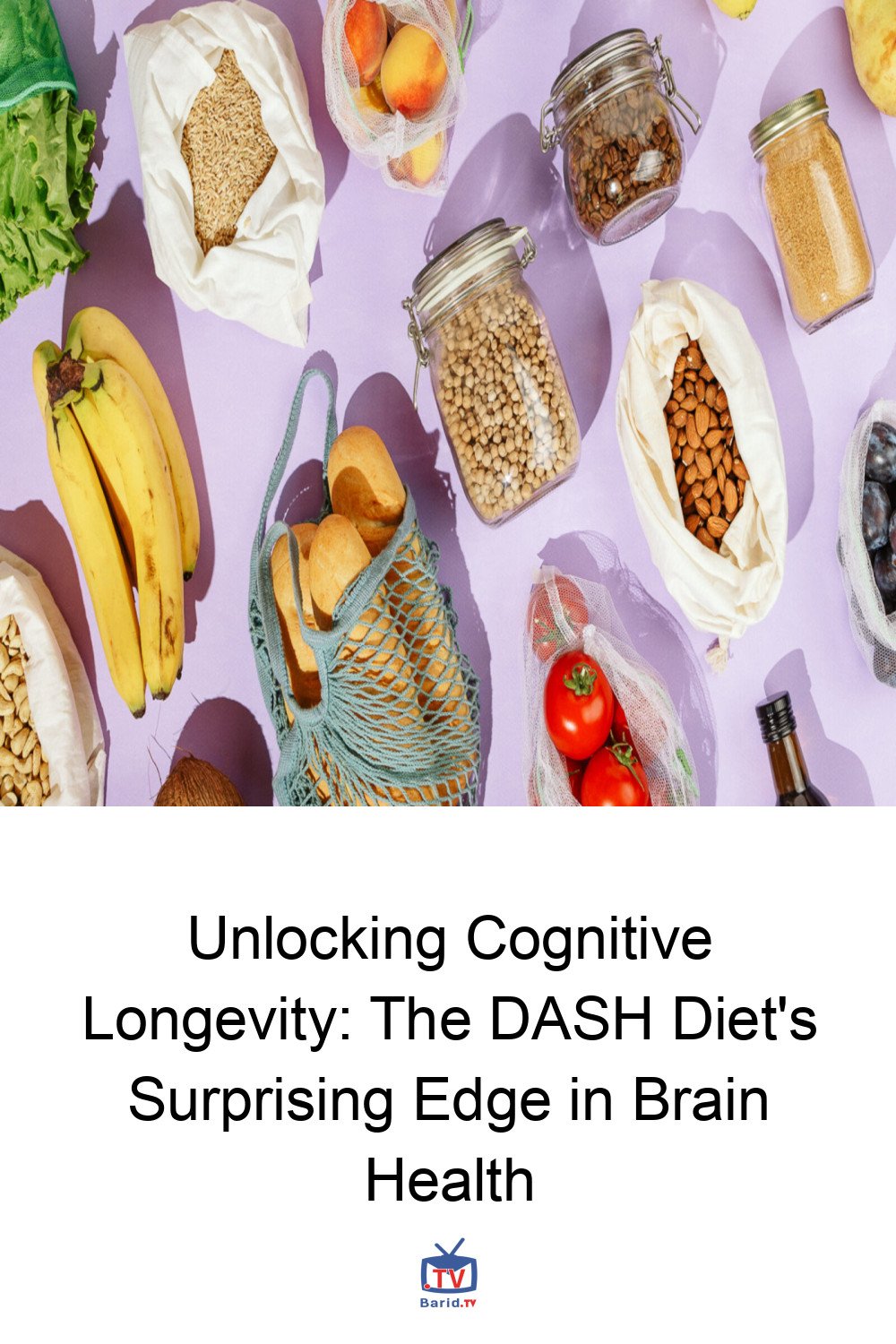
Despite its clinical-sounding name, the DASH diet is far from complicated or overly restrictive. It embodies a pattern of eating that nutrition experts have advocated for decades, focusing on whole, unprocessed foods. Its core principles include:
- Abundant intake of fresh vegetables and fruits.
- Regular consumption of fish and lean proteins.
- Prioritizing whole grains over refined alternatives.
- Incorporating legumes, nuts, and seeds into daily meals.
- Minimizing processed meats, sugary drinks, and fried foods.
- Maintaining moderate sodium intake.
Adopting this dietary pattern in your forties and fifties appears to yield significant, long-term benefits for your brain. This isn’t due to a single ‘superfood,’ but rather the cumulative impact of a balanced dietary pattern on crucial factors like inflammation, insulin response, and overall vascular health – all vital for maintaining cognitive vitality.
Beyond the Plate: A Holistic Approach to Brain Wellness
While diet is a powerful and daily influence on our health, brain wellness is a multifaceted endeavor. Optimal cognitive function is also significantly supported by adequate sleep, regular physical activity, effective stress management, and meaningful social connections. However, the compelling evidence for the DASH diet underscores the profound role that our food choices play in safeguarding our most vital organ for decades to come.
For more details, visit our website.
Source: Link








Leave a comment