




The U.S. financial regulatory landscape is bracing for a seismic shift as the Commodity Futures Trading Commission (CFTC) intensifies its campaign to assert federal authority over prediction markets. In a move poised to ignite further legal battles with individual states, the CFTC has submitted two pivotal regulatory proposals to the White House for review, aiming to formally classify “event contracts” as federally regulated “swaps” and decisively sever their ties to state-level gambling claims.
A Regulatory Showdown: Redefining the Future of Prediction Markets
At the heart of this escalating conflict lies the nature of event contracts – binary “yes” or “no” bets on future outcomes, ranging from sporting events to political elections, traded on platforms such as Kalshi, Polymarket, Crypto.com, and Robinhood. While the CFTC views these as legitimate financial instruments falling under its derivatives oversight, several states have vehemently argued they constitute unregulated gambling, leading to a flurry of lawsuits against prediction market operators.
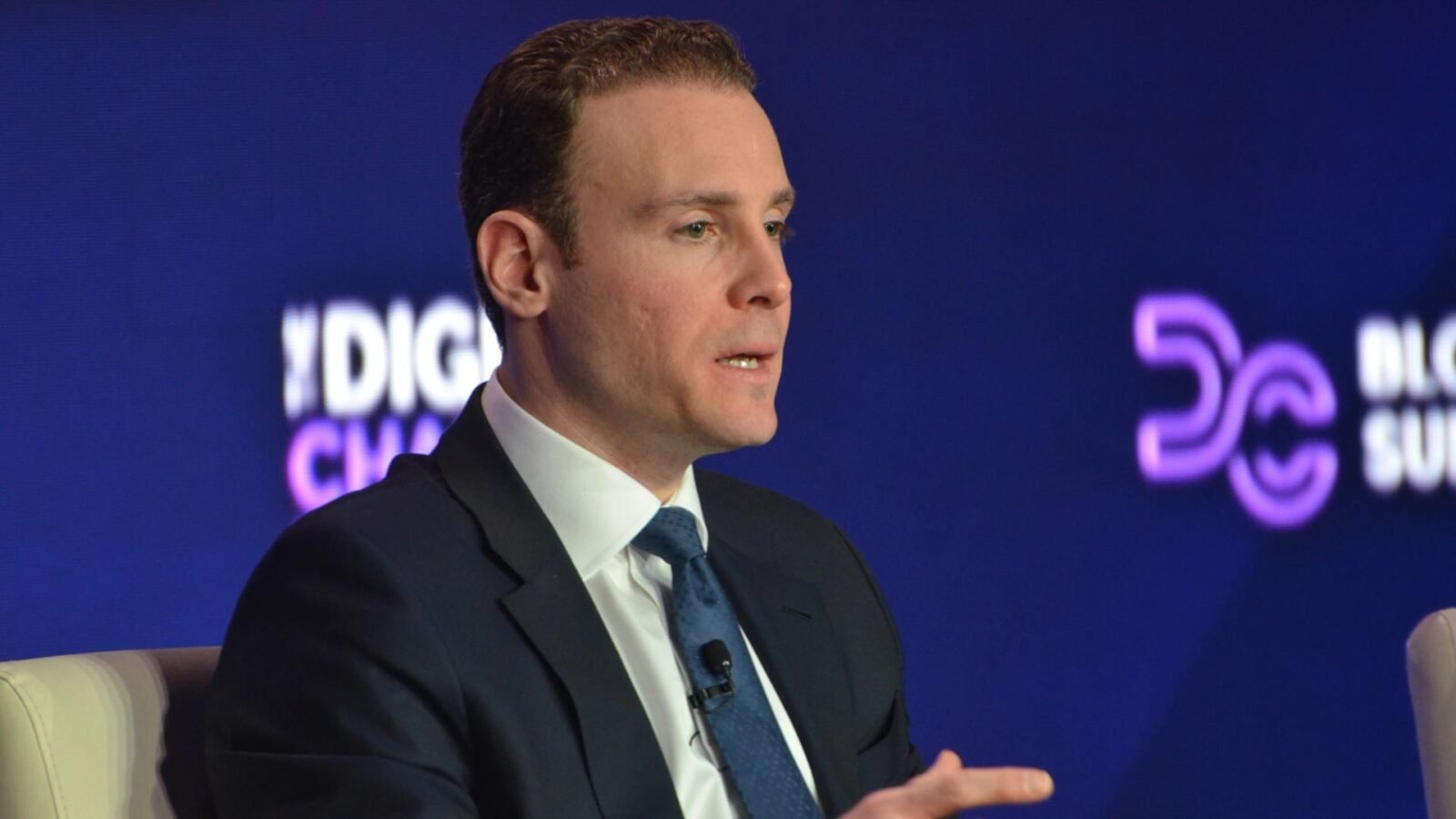
CFTC Chairman Mike Selig, currently the sole acting commissioner, has been a vocal proponent of the agency’s jurisdiction, asserting it as the primary federal regulator for these innovative markets. His unilateral pursuit of these rules underscores the agency’s determination to establish a clear regulatory framework, even as it navigates a complex legal and political environment.
The Core Conflict: Swaps vs. Gambling
The distinction between a “swap” and a “gambling product” is not merely semantic; it dictates which regulatory body holds the reins. Swaps are agency-regulated financial instruments, typically agreements between two parties to exchange cash flows or other assets. Gambling, conversely, often falls under state purview, with varying laws and licensing requirements.
The CFTC’s proposed rules directly address this definitional chasm. One rule seeks to explicitly extend the regulatory definition of “swaps” to encompass event contracts. The second, an “interim final rule,” aims to remove “casino-style gambling products” from the scope of what can be considered a swap. If enacted, these rules would create a powerful federal precedent, potentially neutralizing states’ arguments that prediction markets operate as illegal gambling platforms.
Conflicting Rulings and a Looming Supreme Court Battle
The legal battleground has already seen conflicting judgments, highlighting the ambiguity surrounding event contracts. While the U.S. Third Circuit Court of Appeals previously affirmed the CFTC’s jurisdiction over prediction markets, more recent rulings from the Sixth and Eighth Circuit Courts of Appeals have sided with states, explicitly stating that sports-tied contracts on platforms like Kalshi are not swaps and are subject to state gambling regulations.
This federal appellate court rift strongly suggests that the ultimate arbiter of this dispute may well be the U.S. Supreme Court. The CFTC’s proactive engagement in these lawsuits, often suing states to defend its claimed sole jurisdiction, further underscores the high stakes involved and the agency’s commitment to its regulatory vision.
CFTC’s Unilateral Push for Federal Oversight
The submission of these rules to the White House’s Office of Management and Budget (OMB) marks a critical step towards their implementation. OMB review is typically a final hurdle before rules are opened for public comment, or in the case of an interim final rule, become immediately effective while remaining open for input.
Notably, the CFTC declared both rules as “not economically significant,” a classification that can streamline the review process. Chairman Selig’s ability to push these significant policy decisions unilaterally stems from the current composition of the CFTC, which, despite being designed as a five-member commission, has seen President Donald Trump decline to nominate additional commissioners, leaving Selig as its sole member.
What This Means for the Industry
Should the CFTC successfully implement these definitions, the implications for prediction market platforms like Kalshi would be profound. It would provide a clearer, federally-backed regulatory pathway, potentially reducing the legal uncertainty and operational hurdles posed by state-level challenges. However, it would also solidify the CFTC’s oversight, bringing these markets firmly under the purview of federal derivatives regulation.
As the White House reviews these proposals, the financial world watches closely. The outcome will not only shape the future of prediction markets but also set a precedent for how innovative financial products are classified and regulated in an increasingly complex digital economy.
For more details, visit our website.
Source: Link








Leave a comment