





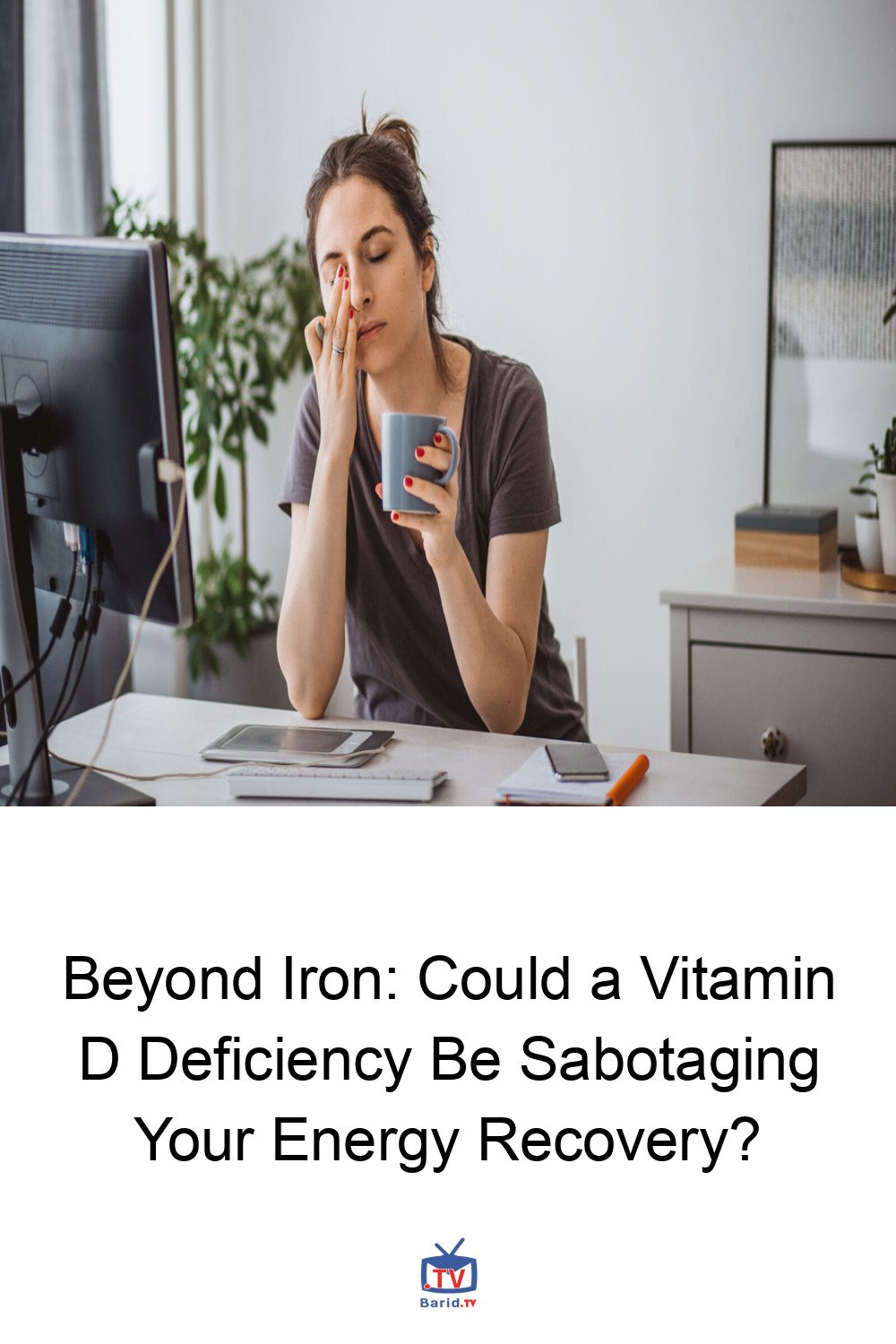
For many grappling with iron deficiency, the journey to renewed energy often feels like an uphill battle. You dutifully take your supplements, yet that pervasive fatigue stubbornly clings on. What if the solution isn’t simply more iron, but rather a missing piece of the nutritional puzzle?
The Unexpected Connection: Vitamin D and Iron Utilisation
Recent groundbreaking research suggests that your vitamin D status could be a critical factor in how effectively your body responds to iron treatment. A deficiency in the ‘sunshine vitamin’ might not just be a separate health concern; it could be actively hindering your iron recovery.
Unpacking the Latest Research
A recent randomised trial delved into this intriguing possibility, following adults with iron deficiency anemia over 90 days. Participants were divided into three distinct groups:
- One group had sufficient vitamin D and received standard iron treatment.
- Another group was vitamin D deficient and received iron treatment alone.
- The third group, also vitamin D deficient, received both iron and vitamin D supplementation.
All participants were given an iron-containing supplement, along with folate and vitamin B12. Researchers meticulously tracked key blood markers, including hemoglobin, red blood cell counts, and ferritin (stored iron), both before and after the treatment period.
Striking Results: Vitamin D’s Impact
While all three groups showed improvement, the findings were compelling. The individuals who received vitamin D alongside their iron treatment experienced significantly greater improvements in several crucial markers of iron and blood health. Their hemoglobin, red blood cell counts, and ferritin levels rose more substantially than in either of the other groups. This suggests that the benefit wasn’t merely from correcting a vitamin D deficiency in isolation, but that vitamin D actively enhanced the body’s response to the iron treatment itself.
It’s important to note that this study doesn’t claim vitamin D directly treats iron deficiency anemia. Instead, it powerfully indicates that a pre-existing vitamin D deficiency could compromise the body’s ability to effectively utilise iron, even when supplemented.
The Scientific Hypothesis: Hepcidin and Iron Regulation
So, why might vitamin D hold such sway over iron metabolism? One leading theory points to hepcidin, a hormone that acts as a master regulator of iron absorption and storage in the body. When hepcidin levels are high, the body tends to hoard iron and absorb less from dietary sources or supplements. Emerging evidence suggests that vitamin D may have the ability to lower hepcidin levels. By doing so, it could potentially unlock more iron, making it available for the vital process of red blood cell production.
While this connection is still under active investigation and the trial used a specific patient group and treatment protocol, the implications are significant. It underscores that optimal health often involves a complex interplay of nutrients, not just isolated treatments.
Still Exhausted? When to Consider Vitamin D Testing
If you’re diligently treating iron deficiency anemia but continue to battle persistent fatigue, resist the urge to simply assume you need a higher dose of iron. It might be time to broaden your diagnostic scope.
Consult Your Healthcare Provider
The first and most crucial step is always to discuss your ongoing symptoms with your doctor. They can help determine if vitamin D testing is appropriate for your individual situation.
Check Your Levels
A simple blood test can accurately reveal whether you are deficient in vitamin D. This objective data is essential for guiding any subsequent treatment.
Treat Appropriately
If a deficiency is identified, your healthcare provider can recommend a precise vitamin D dosage and treatment duration that complements your existing iron therapy. Self-medicating is not advised.
Beyond Deficiencies
Remember, persistent fatigue can stem from a multitude of causes beyond nutritional deficiencies. If symptoms persist even after addressing both iron and vitamin D, an ongoing conversation with your healthcare provider is vital to explore other potential underlying conditions.
The Takeaway
The intricate relationship between vitamin D and iron metabolism is becoming increasingly clear. If your energy levels remain stubbornly low despite consistent iron treatment, it’s worth exploring whether a vitamin D deficiency could be the missing piece preventing your full recovery. A holistic approach, guided by medical professionals, is key to unlocking optimal health and vitality.
For more details, visit our website.
Source: Link








Leave a comment