Sonos’s Second Act: How CEO Tom Conrad Engineered a Software-First Renaissance
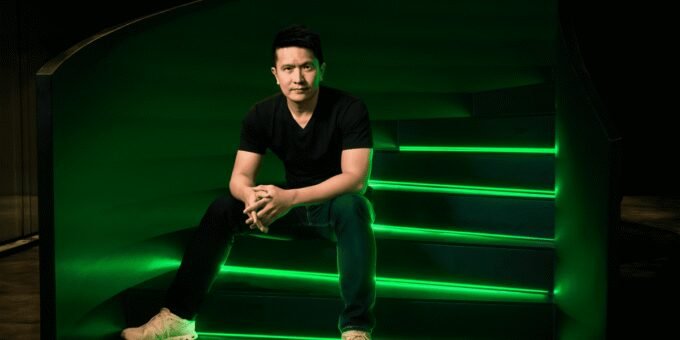
The year 2024 marked a perilous moment for Sonos, the beloved home audio giant. A disastrous app redesign threatened to unravel years of brand loyalty, pushing the company to the brink. Enter Tom Conrad, a seasoned tech veteran with a track record at Pandora, Snap, and Quibi, who was already on the Sonos board. Tasked with navigating the crisis, Conrad stepped in as interim CEO, eventually taking the permanent helm. Now, a year into his leadership, Sonos is not just recovering; it’s charting an ambitious new course, repositioning itself as a sophisticated software platform with the launch of its groundbreaking Sonos 27.
From Crisis to Cohesion: Conrad’s Initial Diagnosis
Nilay Patel, editor-in-chief of The Verge and host of the Decoder podcast, recently sat down with Tom Conrad to delve into the dramatic transformation. Conrad, who took the permanent CEO role in early 2025, inherited a company grappling with internal strife and a public relations nightmare. His immediate observation was stark: Sonos, despite its intricate ecosystem, was behaving like a pure hardware company. “When I came in the door, one of my earliest observations was that the company behaved like it was 100 percent hardware, but we’re really 100 percent hardware and 100 percent software,” Conrad explained. “And if you get either one of those even a little bit wrong, the impact is tremendous.”
The core of his strategy was a fundamental shift in perspective: Sonos doesn’t sell individual speakers; it sells a unified audio system. This philosophy, he asserts, is crucial for ensuring every product works seamlessly together, delivering a cohesive and valuable experience to users. This systemic approach became the highest-level mantra, guiding operational changes, product development, and the company’s very self-conception.
Sonos 27: A New Foundation for the Smart Home
The culmination of these internal reforms is Sonos 27, a new platform that Conrad describes as a “new foundation for the company.” This isn’t just a product launch; it’s a re-imagining of Sonos’s role in the smart home. The platform aims to enhance how every Sonos device integrates and performs as part of a larger, intelligent network.
Conrad’s vision extends beyond mere audio playback. The new platform opens doors for advanced functionalities, including the seamless integration of AI assistants across the entire Sonos system. Imagine a mesh network of “little computers” disguised as speakers, working in concert to provide an unparalleled auditory and interactive experience throughout your home.
Navigating the Smart Home Landscape and Tech Giants
The journey isn’t without its complexities. The article touches upon the intricate world of smart home standards, a topic that, to his credit, Conrad was eager to discuss with a fellow “smart home nerd” like Patel. More notably, it highlights the “testy relationship” between Sonos and tech behemoth Google, which currently prevents Google’s Gemini assistant from being available on Sonos devices. This underscores the challenges and strategic decisions involved in building an open yet proprietary ecosystem in today’s competitive landscape.
Sonos’s reboot under Tom Conrad is more than just a recovery story; it’s a testament to the power of visionary leadership in transforming a hardware-centric company into a dynamic software platform. With Sonos 27, the company is not just cleaning up past mistakes but laying the groundwork for a future where home audio is smarter, more integrated, and truly a system.
For more details, visit our website.
Source: Link