
Ever pushed through a grueling workout, only to find your stomach protesting as much as your muscles? It’s a common experience: intense physical exertion, especially in challenging conditions like heat, can temporarily stress your digestive system. This intriguing connection has researchers shifting their focus from muscle fibers to the intricate world of the gut, seeking new insights into how our bodies truly respond to exercise.
Polyphenols: Your Gut’s Workout Ally
A groundbreaking new review delves into the fascinating interplay between polyphenols – powerful plant compounds abundant in foods like berries, coffee, cocoa, and tea – and our gut bacteria. The findings suggest these compounds could significantly influence both exercise performance and recovery.
What Exactly Are Polyphenols?
Polyphenols are naturally occurring micronutrients found in a vast array of plant-based foods. You’ve likely been consuming them for years without a second thought! These compounds are categorized into four main groups based on their chemical structure, with flavonoids being the most prominent. Scientists have long recognized certain polyphenols for their benefits in areas like recovery and cardiovascular function. However, the exact role of the gut microbiome in mediating these effects has remained a compelling mystery – until now.
Drawing on insights from over 80 published studies, including laboratory, mechanistic, and human intervention research, this comprehensive review aims to unravel the complex, bidirectional relationship between polyphenols, gut bacteria, and the body’s response to exercise.
The Gut-Microbiome Link to Enhanced Recovery
One of the most exciting revelations is how polyphenols may bolster exercise recovery by nourishing beneficial gut bacteria. Research indicates that exposure to specific polyphenols can lead to an increase in beneficial microbes such as Akkermansia muciniphila and various Lactobacillus species.
Why Your Gut Barrier Matters During Exercise
During strenuous activity, particularly in hot environments, the protective lining of your gut can become temporarily compromised, allowing substances to leak from your digestive tract. This can contribute to uncomfortable digestive issues and systemic inflammation. By feeding your gut’s good bacteria, polyphenols help maintain the integrity of this crucial barrier.
Furthermore, polyphenol-fed gut bacteria produce short-chain fatty acids (SCFAs). These vital compounds are instrumental in supporting overall gut health, modulating inflammation, and influencing how your body metabolizes energy. Human trials have begun to corroborate this connection; for instance, participants who produced more gut-derived compounds after consuming tart cherry polyphenols demonstrated superior muscle function following workouts designed to induce muscle damage.
Beyond the Gut: Direct Benefits of Polyphenols
While the gut microbiome plays a significant role, it’s not the only pathway through which polyphenols exert their benefits. These versatile compounds can also directly assist the body in utilizing fat for energy, promote healthy blood vessel function, and help mitigate some of the inflammation that naturally accompanies exercise.
However, it’s crucial to approach this science with a balanced perspective. With over 8,000 polyphenols identified in common foods, only a fraction have been rigorously studied for their effects on the body or the gut microbiome. Much of the current evidence stems from mechanistic, preclinical, or relatively small human studies, underscoring the ongoing need for more extensive research.
Integrating Polyphenols into Your Daily Routine
There’s no need to transform your kitchen into a scientific laboratory just yet. While research into specific polyphenol supplements and extracts is still nascent, the most effective and enjoyable way to harness their power is through whole foods you already love:
Embrace Your Favorites:
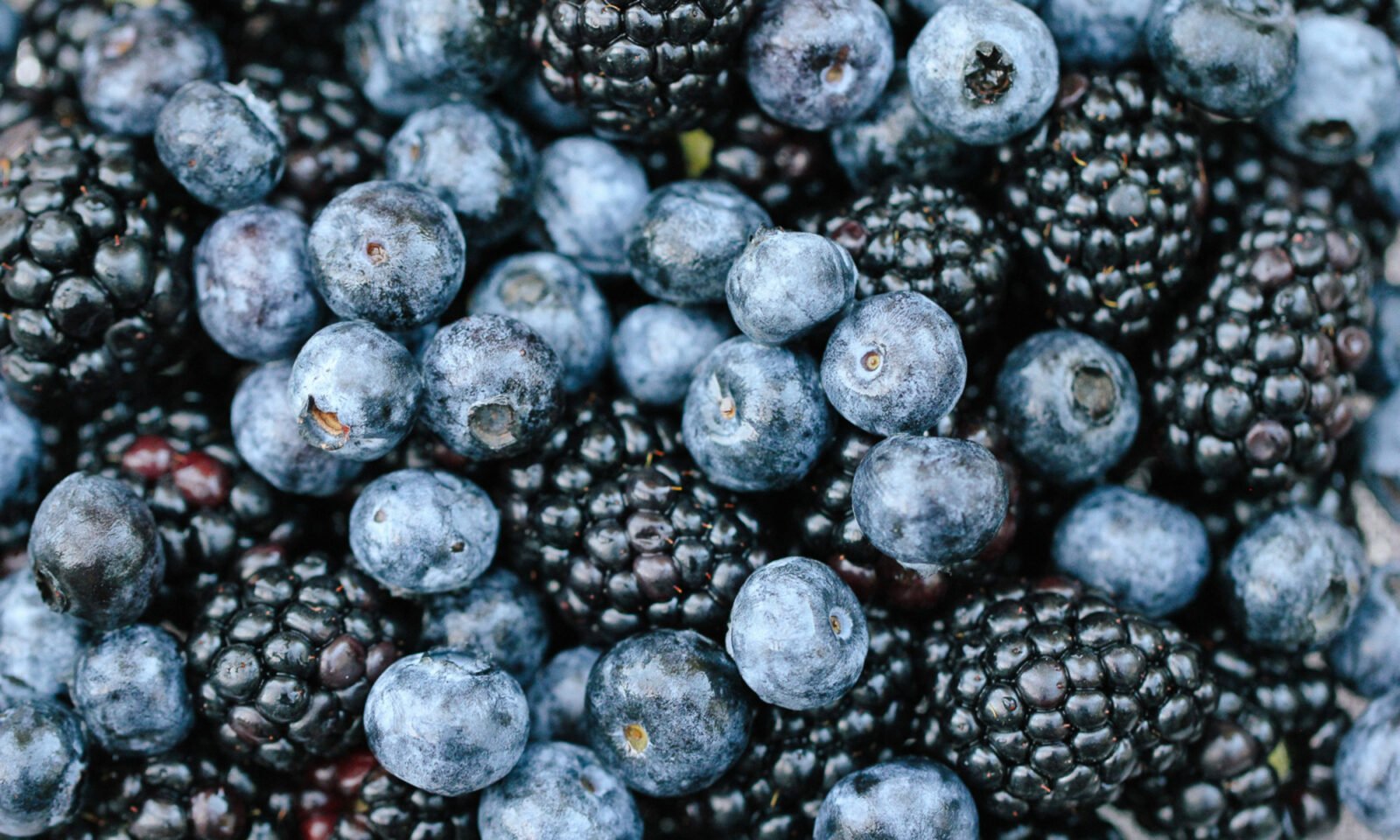
Start with what’s already on your plate. Berries, a colorful array of fruits and vegetables, cocoa, coffee, and tea are all excellent sources of polyphenols.
Diversify Your Diet:
Aim for a wide variety of plant-based foods throughout the week. This ensures your gut bacteria receive a broader spectrum of beneficial compounds, rather than relying heavily on just one source.
Pair with Fiber:
Combining polyphenols with dietary fiber is a synergistic strategy. Gut bacteria efficiently utilize both to produce a richer array of beneficial metabolites.
The Bottom Line
Polyphenols offer a promising avenue for enhancing exercise recovery, acting through both their direct effects on the body and their profound influence on the gut microbiome. While the scientific understanding continues to evolve, incorporating a diverse range of polyphenol-rich plant foods into your diet is a simple, delicious, and proactive step towards optimizing your fitness journey and overall well-being.
For more details, visit our website.
Source: Link