
In an era dominated by algorithm-driven feeds and fleeting digital trends, a familiar name from the early 2000s is attempting to stage a surprising comeback: Myspace. Once the undisputed king of social networking, the platform’s current owners are teasing a revival, hoping to position it as an “antidote” to the pervasive social media fatigue plaguing users today. But can a relic of the Y2K internet truly find its footing in a vastly altered digital landscape?
The Echo of Y2K: A Nostalgic Return?
For many millennials, the mention of Myspace evokes a strong sense of nostalgia – memories of customizable profiles, glittering layouts, and the iconic “Tom” as everyone’s first friend. Co-founded in 2003 by Tom Anderson and Chris DeWolfe, Myspace soared to prominence, boasting 115 million monthly visitors by 2008. Its reign, however, was short-lived, as Facebook rapidly eclipsed its popularity, relegating Myspace to the annals of internet history.
Despite a failed relaunch attempt in 2013, Tim and Chris Vanderhook, co-founders of Viant Technology and owners of Myspace since 2011, remain undeterred. In a recent documentary, they expressed their commitment to the brand: “We still own Myspace. We are stewards of the Myspace brand at this point, and we are going to relaunch Myspace. We’re just waiting for the right time to do it. And if that one doesn’t work, we’ll do it again.” This persistence comes despite a reported $150 million in losses from previous efforts to modernize the platform.
Navigating a Crowded and Complex Digital World
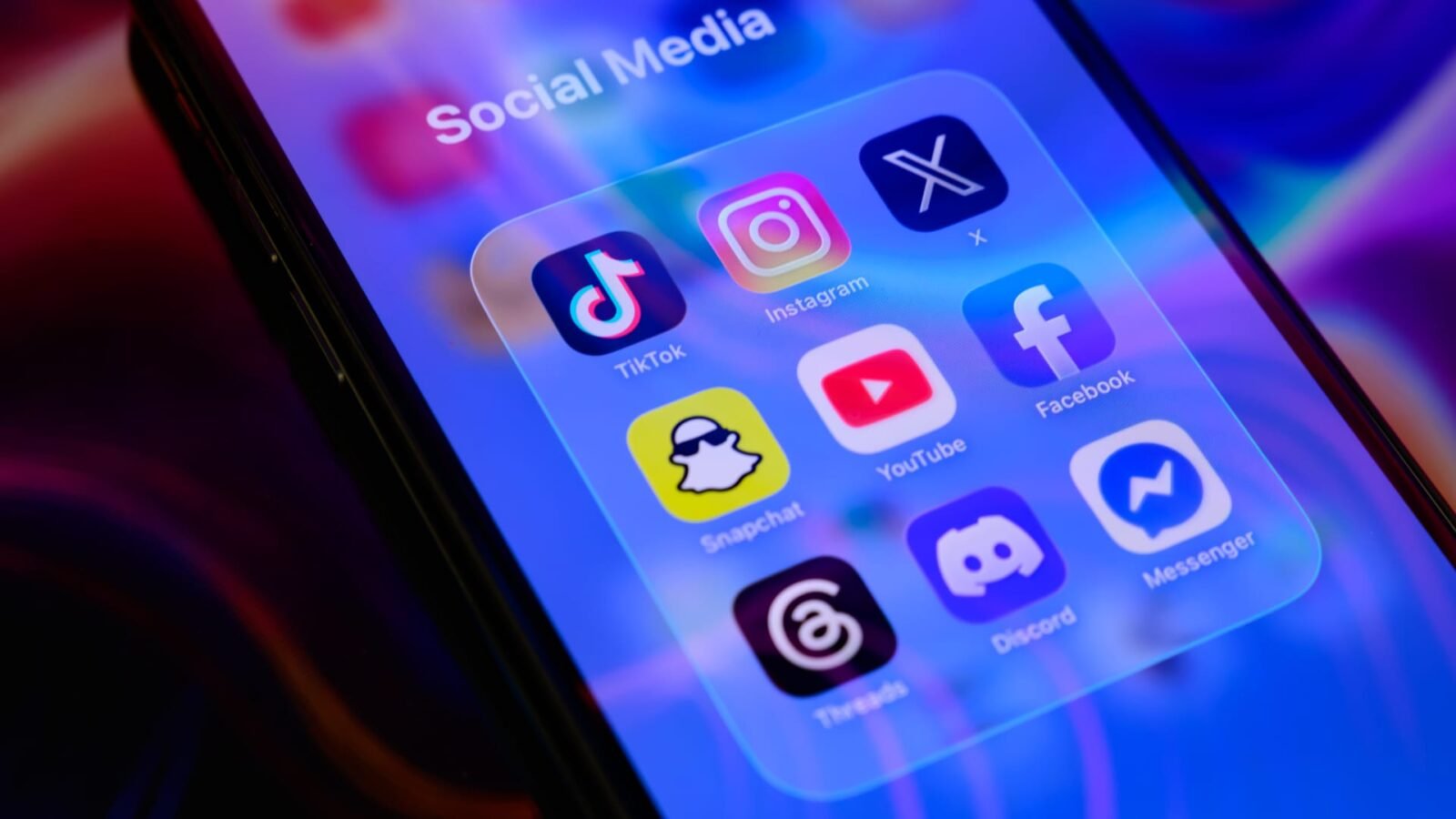
The social media landscape Myspace aims to re-enter is dramatically different and infinitely more challenging than the one it once dominated. Today, giants like TikTok, Instagram, X (formerly Twitter), Snapchat, YouTube, and Facebook grapple with intense competition, evolving regulatory pressures, and a growing wave of “digital fatigue.” Users, particularly millennials and Gen Z, are increasingly seeking alternatives to the addictive, algorithm-heavy platforms that have been linked to declining mental health.
The Allure of Analog in a Digital Age
Kate Winick, a principal analyst at Forrester, highlights the underlying sentiment driving Myspace’s potential appeal. “Excitement about Myspace’s relaunch reflects nostalgia for a more analog time, when algorithms were less dominant in our lives,” she told CNBC. This yearning for simpler, more personal online interactions is evident in the rise of private communities on platforms like Discord and the growth of newsletters on Substack. Many are actively looking to reduce screen time, embrace analog technologies, and reconnect with the aesthetics of the 90s and early 2000s.
Threading the Needle: Balancing Old Charm with New Expectations
Myspace’s path to success is fraught with significant hurdles. Attracting advertisers, sustaining user interest, and navigating a complex regulatory environment are paramount. However, its most critical challenge lies in striking a delicate balance between its nostalgic appeal and the demands of modern user experience.
“If Myspace follows the traditional playbook, they’re simply the smallest game in town; if they lean too hard into old Myspace, they’ll struggle to meet the expectations of a generation who are used to a much cleaner and simpler user experience,” Winick cautions. The “labour-intensive” interfaces of the early 2000s, with their extensive customization options, are a far cry from the streamlined, intuitive designs favored by today’s users, especially those raised on TikTok and Instagram.
The platform must innovate to offer a “meaningfully different” experience that resonates with both its original fanbase – now busy midlife adults – and a younger demographic. It’s a tricky proposition: convincing users who want to spend less time online to invest more time in a platform, even if it promises an “offline” aesthetic. Despite these challenges, Myspace possesses a powerful asset: massive brand recognition, which could give it an edge over smaller, newer competitors.
A Long Shot with Potential?
The dream of a Myspace resurgence is undoubtedly ambitious. In a world saturated with social media, its success hinges on its ability to truly differentiate itself, offering a genuine alternative to the status quo rather than just a trip down memory lane. Whether it can evolve into a platform that feels both comfortably familiar and refreshingly new remains to be seen, but the very notion of its return speaks volumes about our collective desire for a different kind of online connection.
For more details, visit our website.
Source: Link