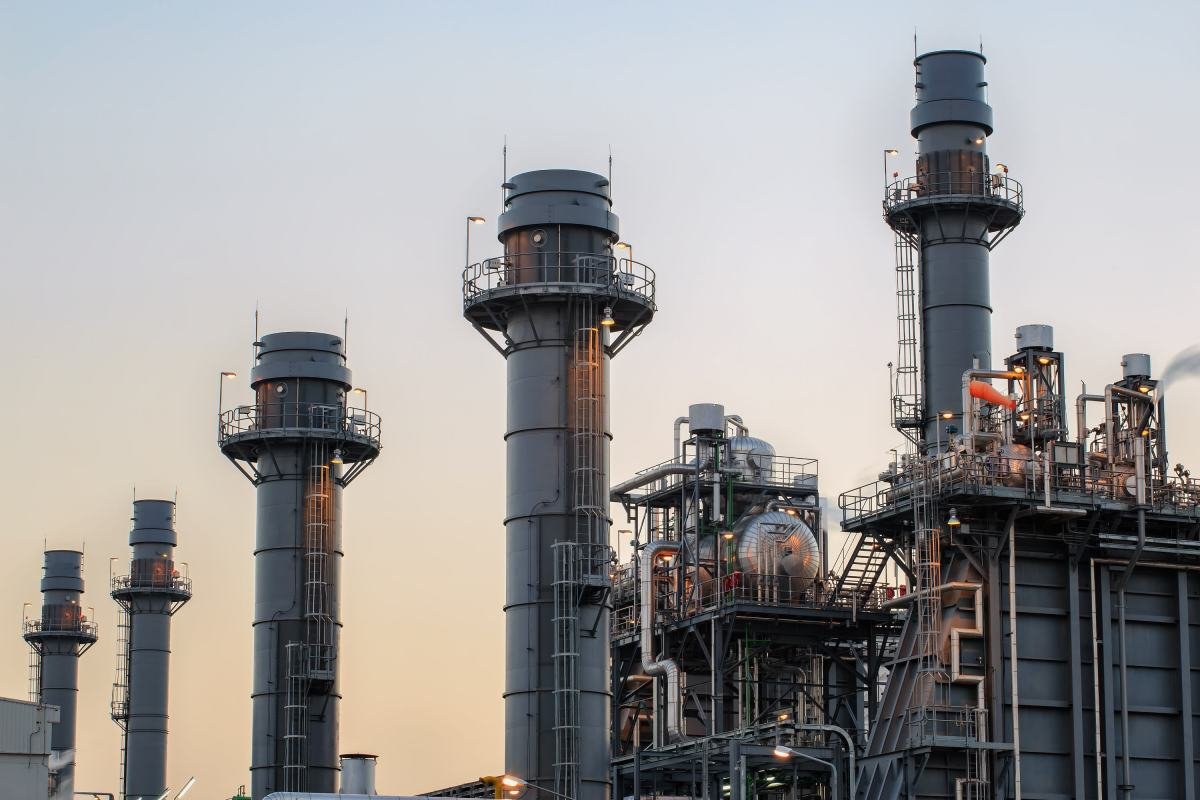

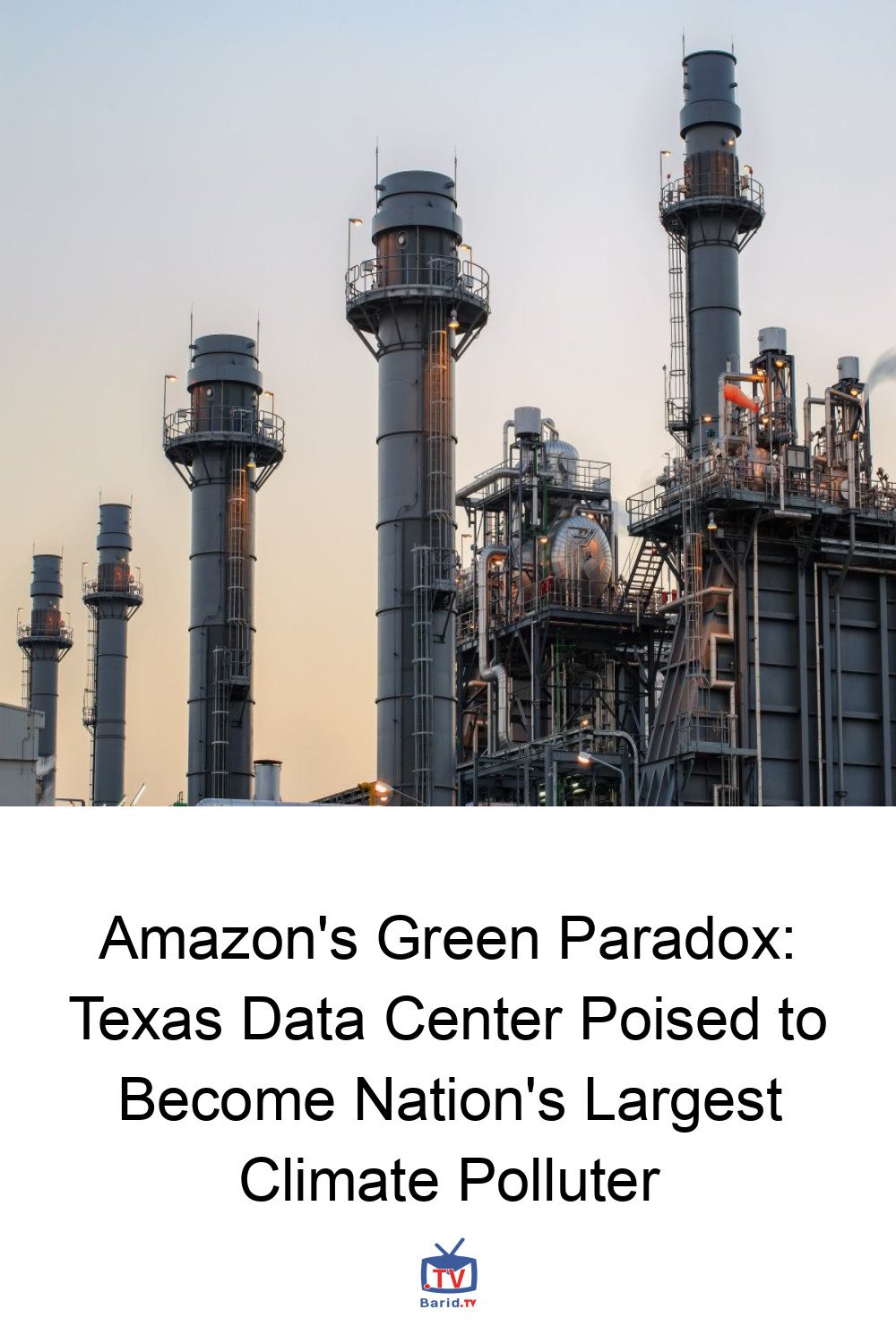
Amazon, a global titan known for its ambitious climate pledges, is facing intense scrutiny over plans for a new data center in Pecos County, Texas. This facility, powered by an on-site natural gas plant, is projected to become the single largest source of climate pollution in the United States, a revelation that casts a long shadow over the company’s environmental commitments.
A Staggering Environmental Footprint
According to a report by The New York Times, the proposed natural gas plant, integral to Amazon’s data center operations, is permitted to release an astonishing 33 million tons of carbon dioxide annually. This figure surpasses the emissions of any other power plant currently operating in the U.S., positioning Amazon at the center of a significant environmental controversy.
The sheer scale of this potential pollution directly contradicts Amazon’s public commitment to eliminate its carbon emissions by 2040. The company’s latest carbon footprint report already indicated a 16% increase in emissions last year, a trend exacerbated by the escalating energy demands of artificial intelligence (AI) technologies.
The AI Energy Conundrum and Corporate Response
The burgeoning field of AI, a key growth area for Amazon and other tech giants, requires immense computational power, which in turn necessitates vast energy consumption. This demand is driving companies like Amazon to invest heavily in large natural gas plants to fuel their power-hungry data centers, creating a direct conflict with global efforts to transition to renewable energy sources.
An Amazon spokesperson confirmed the company’s plans, stating that the data center would “be powered by new on-site generation that won’t raise electricity costs for Texas families.” This statement, however, does little to address the core environmental concerns, especially given the growing political opposition to data centers for their impact on local resources, including electricity costs.
When pressed on the apparent contradiction with its climate goals, the spokesperson offered a nuanced defense: “The world looks different now than when we co-founded the climate pledge,” while simultaneously asserting, “Our commitment hasn’t changed.” This response highlights the complex challenges corporations face in balancing rapid technological expansion with environmental responsibility.
Implications for the Future of Tech and Climate
The Amazon Pecos County project serves as a stark reminder of the environmental cost of the digital age. As AI continues its rapid ascent, the energy demands of data centers are set to skyrocket, putting immense pressure on existing power grids and potentially leading to a surge in fossil fuel reliance if sustainable alternatives are not scaled quickly enough.
This situation underscores the critical need for tech companies to transparently address the full environmental lifecycle of their operations, from energy sourcing to waste management. The world watches as Amazon navigates this pivotal moment, with its actions in Texas potentially setting a precedent for how major corporations reconcile innovation with their planetary responsibilities.
For more details, visit our website.
Source: Link