

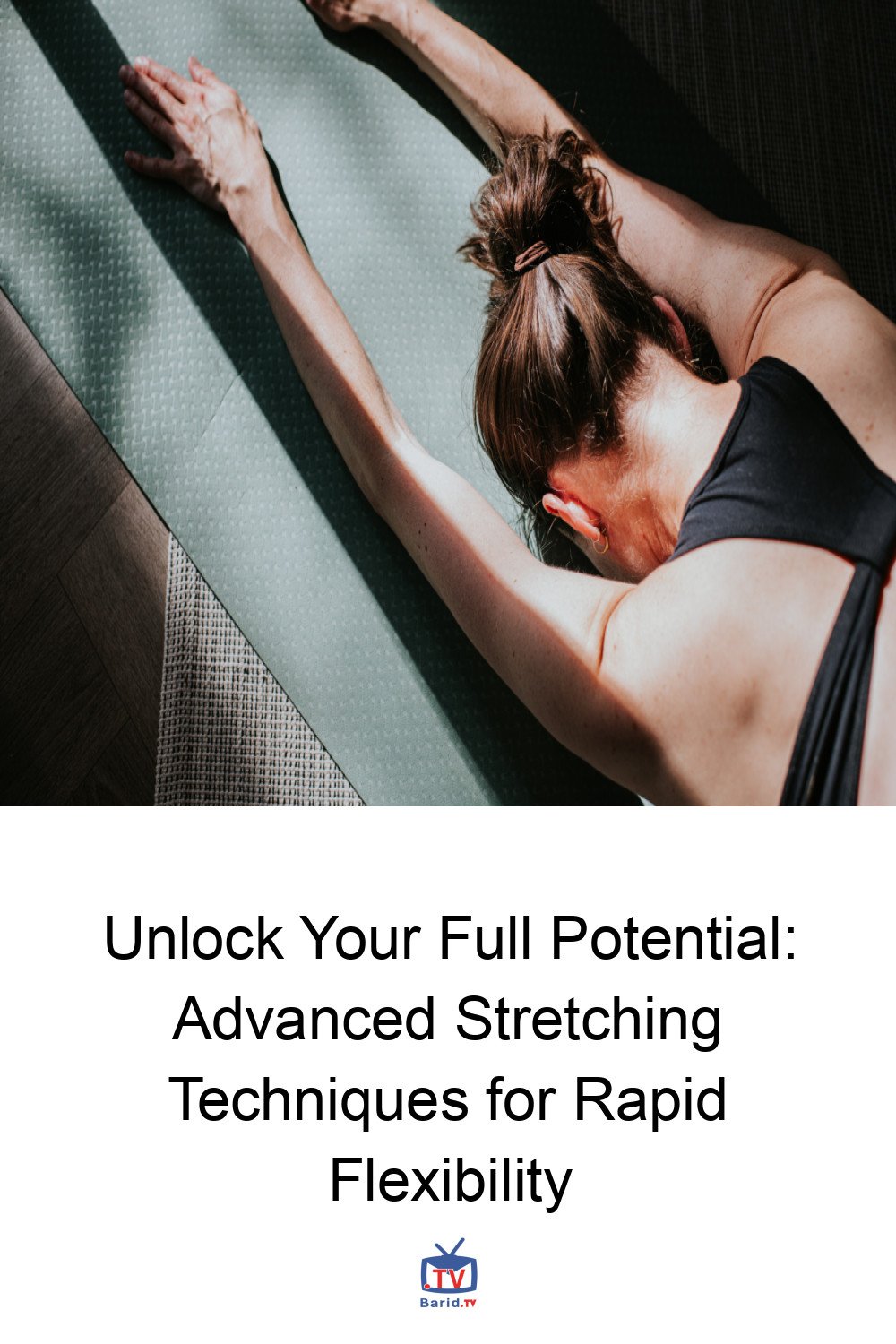
For many, the pursuit of greater flexibility feels like a slow, arduous journey. While consistent stretching undoubtedly yields long-term benefits, what if there were methods to unlock significant flexibility gains in a surprisingly short timeframe? Enter advanced techniques like Proprioceptive Neuromuscular Facilitation (PNF) and PAILs/RAILs, methods that promise to accelerate your progress. However, before diving into these powerful tools, it’s crucial to adopt a balanced perspective: flexibility, much like strength, is a personal journey, not a competitive sprint.
Beyond the Hype: A Sensible Approach to Flexibility
In the fitness world, it’s easy to get swept up by the latest “optimal” routine or the promises of a new guru. Yet, the most enduring advice for any physical pursuit—be it strength training or flexibility—remains remarkably simple: consistency and habit. Overthinking the minutiae or chasing every new method can often be counterproductive. The stretching landscape, unfortunately, is rife with individuals who benefit from making flexibility seem overly complex, suggesting their proprietary programs are the only path to success. While their techniques may not be inherently flawed, they might not be as revolutionary as advertised. True progress often lies in understanding the fundamentals and applying them intelligently.
Demystifying the Spectrum of Stretching Techniques
The world of stretching is far more diverse than many realize, with various approaches each championed by its proponents. While definitions can sometimes blur, understanding the core principles of each type is key to building a comprehensive flexibility routine.
Static Stretching
This is perhaps the most common form, involving holding a stretch for a sustained period, typically 10 seconds or more. It’s excellent for improving passive range of motion and is often performed at the end of a workout.
Dynamic Stretching
Dynamic stretching involves moving a limb through its full range of motion, often in a controlled, repetitive manner. Think leg swings or arm circles. It’s ideal for warming up the muscles and preparing the body for activity.
Passive Stretching
In passive stretching, an external force—be it gravity, props (like a yoga block or strap), an immovable object, or even a partner—assists in placing the body part into a stretched position. The muscles remain relaxed.
Loaded Stretching
This technique incorporates weight or external resistance to deepen a stretch. For instance, holding a light dumbbell while performing a forward fold. Safety is paramount here; ensure the weight is manageable and you maintain full control to prevent injury.
Ballistic Stretching
Ballistic stretching involves bouncing or jerking into a stretch, momentarily forcing the body beyond its typical range. While often cautioned against, it can be safe and effective when executed correctly by experienced individuals, though it’s generally not recommended for beginners due to the higher risk of injury.
Active Stretching
Active stretching relies solely on your own muscle contraction to achieve and hold a stretch. For example, lifting your leg high without external assistance. Here, the muscles opposite to those being stretched are engaged to pull the limb into position.
Isometric Stretching
Isometric stretching involves contracting the very muscles you are trying to stretch. This technique is often integrated into more advanced methods like PNF, as it can significantly enhance flexibility by engaging the nervous system.
Unlocking Rapid Gains: PNF and PAILs/RAILs Explained
Among the myriad stretching techniques, PNF (Proprioceptive Neuromuscular Facilitation) and its close relative, PAILs and RAILs (Progressive Angular Isometric Loading and Regressive Angular Isometric Loading), stand out for their ability to yield surprisingly quick and substantial flexibility improvements. While often described as techniques requiring a trainer, they can be safely and effectively adapted for self-practice with proper understanding and caution.
The “Hold-Relax with Agonist Contraction” Method
This specific PNF technique is highly regarded for its effectiveness. It leverages the body’s neurological responses to deepen a stretch. Here’s a simplified, self-applied approach:
- Passive Hold (10 seconds): Begin by holding a gentle, passive stretch for about 10 seconds, allowing your muscles to relax into the position. This is your baseline stretch.
- Isometric Contraction (10 seconds): While maintaining the stretched position, gently contract the muscle you are trying to stretch. Imagine pushing against an immovable object (like your hand, the floor, or a wall) with about 50% of your maximum effort. Hold this isometric contraction for 10 seconds. This engages the muscle and signals the nervous system.
- Agonist Contraction & Deeper Stretch: Immediately after the isometric contraction, relax the stretched muscle and actively contract the opposing muscle group (the “agonist”). For example, if stretching your hamstrings, contract your quadriceps. This “agonist contraction” helps to further relax the target muscle, allowing you to move deeper into the stretch. Hold this new, deeper stretch for another 10-35 seconds.
- Repeat: You can repeat this cycle 2-3 times for each stretch.
Important Safety Note: When attempting these techniques, especially for the first time, keep the intensity of your contractions gentle—no more than a 5 out of 10 on a perceived exertion scale. This minimizes the risk of soreness or muscle strain while still being highly effective. Always listen to your body and never force a stretch.
The Path to Lasting Flexibility
While advanced techniques like PNF and PAILs/RAILs offer exciting avenues for rapid flexibility gains, they are best integrated into a consistent and well-rounded fitness regimen. Remember, true flexibility is a blend of short-term gains and long-term commitment. Avoid the allure of quick fixes and instead, focus on understanding your body, practicing safely, and embracing the journey toward greater mobility and well-being.
For more details, visit our website.
Source: Link