
The FCC’s Unexpected Sweep: How a New Ban Targets Robot Vacuums
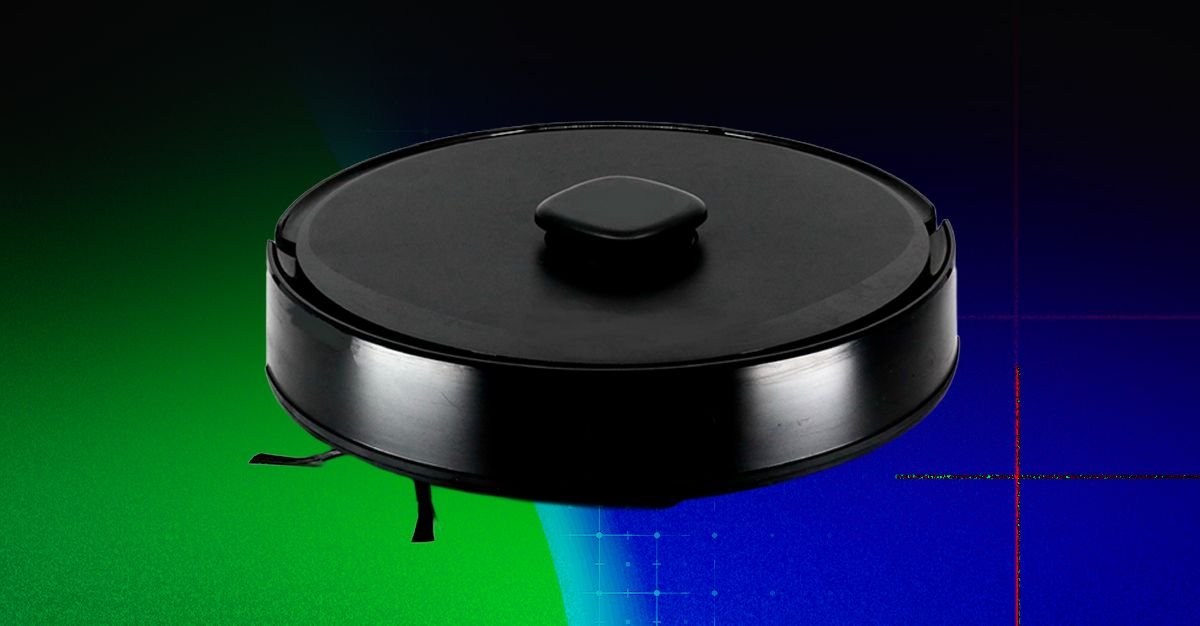
In a move that has sent ripples through the smart home industry, the U.S. Federal Communications Commission (FCC) has enacted an immediate ban on the import of certain foreign-made “advanced mobile robots.” While the initial focus appears to be on humanoid and quadrupedal machines, a surprising inclusion in the regulatory crosshairs is none other than the ubiquitous robot vacuum cleaner.
This decision, effective immediately, raises questions for consumers and manufacturers alike. What exactly does this mean for your current dirt-devouring companion, and what impact will it have on the future landscape of automated home cleaning?
Understanding the Ban: What’s Covered and What’s Not
The FCC’s updated “Covered List,” derived from Section 2 of the Secure and Trusted Communications Networks Act of 2019, now explicitly includes foreign-made advanced mobile robots. This list identifies communications equipment and services deemed to pose an “unacceptable risk to the national security of the United States or the security and safety of United States persons.”
While a robot vacuum might seem an unlikely candidate for a national security threat, the definition of an advanced robotic device, as outlined by the interagency National Security Determination, is broad enough to encompass them. Key characteristics include:
- Autonomous locomotion, obstacle avoidance, navigation, or ground movement.
- Operation at a distance from a human operator.
- A combined device and docking station weight exceeding 4.4 pounds.
- Sensors capable of perceiving the environment.
- Components providing network connectivity (Bluetooth, Wi-Fi).
Software (local or remote), firmware, AI, or machine-learning model weights controlling navigation and movement perception.
Notably, the ban specifically excludes connected vehicles, rail vehicles, aircraft, unmanned underwater vehicles, and stationary robots. However, foreign-made robot vacuums, along with similar automated home and garden devices like robotic pool cleaners and automated lawn mowers, are now squarely in the regulatory spotlight.
The “Why”: National Security and Data Vulnerabilities
The FCC’s announcement follows a determination that these devices present a significant security risk. According to the National Security Determination, “the networked capabilities of advanced robotic systems create extensive vulnerabilities and vectors for attacks that can manipulate the data and physical operation of the advanced robotic system.”
The primary concern revolves around the integrated cameras and sensors—some even featuring microphones for voice commands—that allow these devices to map and interact with your home environment. Bringing any internet-connected device with a camera into your home inherently carries a security risk, especially if your Wi-Fi network isn’t adequately secured. Yet, the specific focus on robot vacuums has sparked debate, particularly when other devices with always-on cameras or microphones, such as smart speakers, remain unaffected. The FCC’s documentation cites examples of live camera vulnerabilities and humanoid robot hacks but offers no specific examples for robot vacuums.
It appears robot vacuums may have simply been caught in a broader regulatory net. While they utilize similar sensors to other robots, they typically don’t stream live video feeds. Their home mapping capabilities, while detailed, are generally used for navigation and identifying floor types, not for malicious data collection. Despite arguments that these are not the most dangerous camera-equipped devices in a home, the government clearly holds a different view.
This isn’t an isolated incident; the FCC previously banned foreign-made routers in May, suggesting a growing trend of restrictions on various household technology products.
Immediate Impact and Future Outlook for Consumers
For now, existing robot vacuums and similar automated home cleaning robots already on the market are unaffected. They have received prior FCC approval, meaning your current device will continue to function, receive updates, and be supported as normal. The ban primarily targets new models seeking FCC approval for sale in the United States.
This distinction is crucial: while you can still purchase currently available models, the future introduction of innovative new robot vacuums from many popular international brands may be severely curtailed. Many leading robot vacuum manufacturers are not U.S.-based, potentially limiting consumer choice and innovation in the American market.
In response to inquiries, Eufy, a prominent robot vacuum brand, issued a statement confirming their understanding: “We are aware of the FCC’s recent update. Based on our current understanding, the new rule does not affect the continued availability, use, or support of products we currently sell in the United States. Those products remain available and will continue to receive updates and customer support.” Other brands like Shark, Dreame, and Roborock either did not respond or declined to comment.
So, for the time being, there’s no need to worry about getting rid of your existing robot vacuum. However, consumers should be aware that the landscape for future purchases of cutting-edge foreign-made models is set to change significantly.
For more details, visit our website.
Source: Link