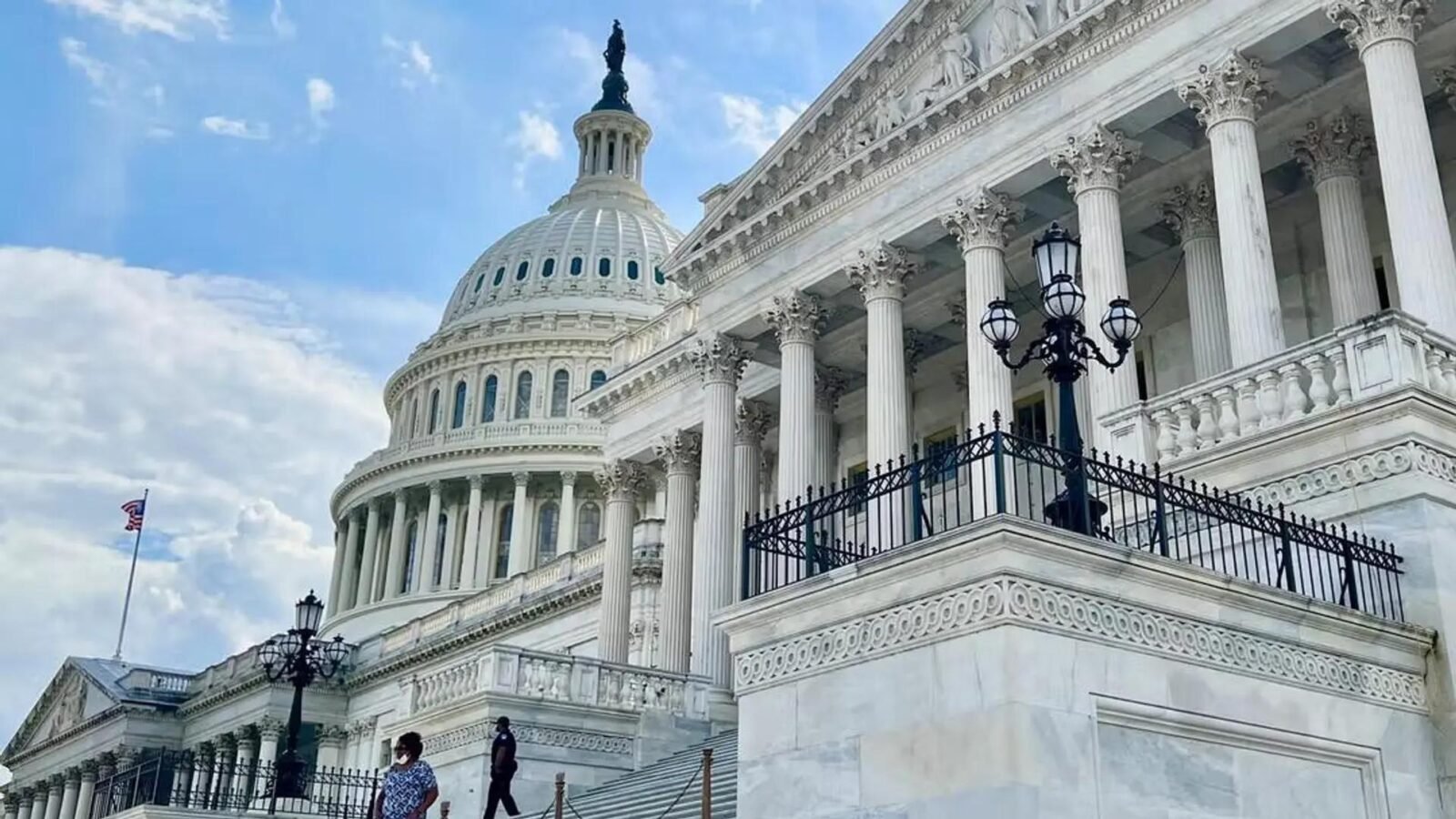

The highly anticipated Digital Asset Market Clarity Act, a cornerstone of the crypto industry’s quest for regulatory certainty in the United States, has been temporarily sidelined by the U.S. Senate. As lawmakers grapple with pressing national and international issues, the digital asset sector finds itself in a familiar holding pattern, awaiting its turn in a crowded legislative agenda.
Senate’s Shifting Focus: Russia and Nominations Take Precedence
In a move that underscores the unpredictable nature of legislative priorities, Senate Majority Leader John Thune has steered the chamber’s immediate attention towards a package of federal nominations and a critical Russia sanctions bill. This strategic pivot means the Clarity Act, despite its significance to the burgeoning crypto economy, must wait in the wings.
The Arcane Dance of Senate Procedure
The delay is not merely a matter of preference but a consequence of the Senate’s intricate procedural rules. The chamber typically limits itself to debating one contentious bill at a time, and the process of moving legislation forward, including the “cloture” process to limit debate, can consume valuable days. With the Russia sanctions bill, dedicated to the late Senator Lindsey Graham, now on the floor, the path for the Clarity Act remains obstructed until these other matters are resolved or expire.
Adding to the legislative congestion, Senator Graham’s funeral this week will further occupy the Senate’s attention, effectively pushing any potential preliminary action on the Clarity Act to next week – the final stretch before the chamber embarks on its summer recess on August 8. This tight timeline significantly reduces the window for progress, potentially deferring any meaningful votes until September.
The Sticking Point: Ethics and Official Involvement in Crypto
Beyond the procedural hurdles, the Clarity Act itself is not yet ripe for a final vote, largely due to an unresolved, highly contentious provision. This particular clause seeks to impose a ban on senior government officials, including figures like former President Donald Trump, from actively backing crypto projects.
A Battle Over Influence and Integrity
The ethics section has become a focal point of intense debate. Democrats, who recently hosted an event to voice their opposition to the Clarity Act’s current form and the president’s crypto activities, argue that the proposed restrictions do not go far enough to curb potential conflicts of interest. While a purported breakthrough last week saw former President Trump reportedly agree to limit his digital asset interactions, White House officials’ claims of “historic, unprecedented ethics constraints” were quickly met with skepticism from Democrats, who contend the measures are insufficient to address Trump’s extensive crypto engagements.
This ongoing disagreement highlights the deep divisions surrounding the intersection of public service and the rapidly evolving digital asset landscape, making bipartisan consensus a challenging endeavor.
Uncertainty Looms for U.S. Crypto Regulation
The current legislative gridlock and the unresolved ethical provisions cast a long shadow over the Clarity Act’s prospects. Significant disagreements at this late stage of the Senate calendar could severely narrow the chances of the bill becoming law in 2026, plunging the crypto industry into further uncertainty regarding the timeline for comprehensive U.S. regulations.
Alternative Paths to Legitimacy
Should the Clarity Act falter, the industry’s hopes for regulatory legitimacy would likely shift to other avenues. These include the ongoing implementation of the Guiding and Establishing National Innovation for U.S. Stablecoins (GENIUS) Act and the continued policy efforts by key regulatory bodies such as the U.S. Securities and Exchange Commission (SEC) and the Commodity Futures Trading Commission (CFTC).
While a similar version of the Clarity Act has already advanced through the House of Representatives, the Senate has historically proven to be a more formidable bottleneck for legislative progress. Earlier delays centered on the treatment of stablecoin yield, eventually leading to a compromise that limited rewards programs to avoid direct competition with traditional bank deposits. Now, the focus has squarely shifted to the thorny issue of government officials’ involvement in digital assets.
The Race Against the Clock
With the summer recess fast approaching and only a few weeks of floor time available when Congress returns in September, the window for the Clarity Act to gain traction is rapidly closing. Following the November elections, Congress will enter its “lame duck” session, a period often characterized by reduced legislative momentum. For the crypto industry, the best hope now may be a last-minute push to initiate the cloture process before lawmakers scatter for their break, keeping the bill’s faint pulse alive.
For more details, visit our website.
Source: Link