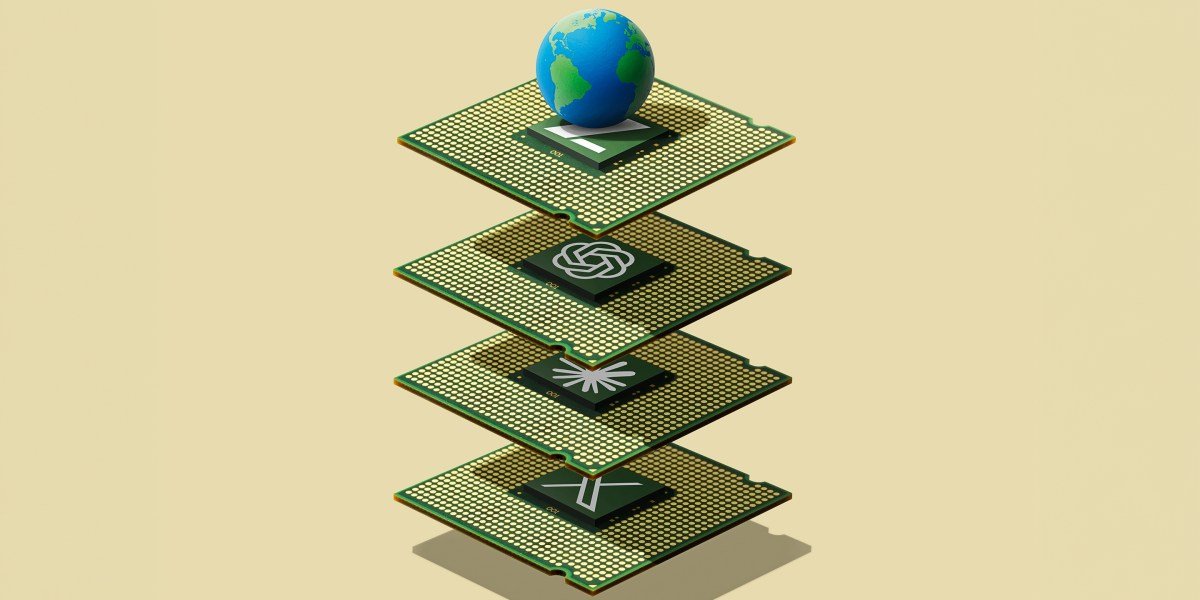

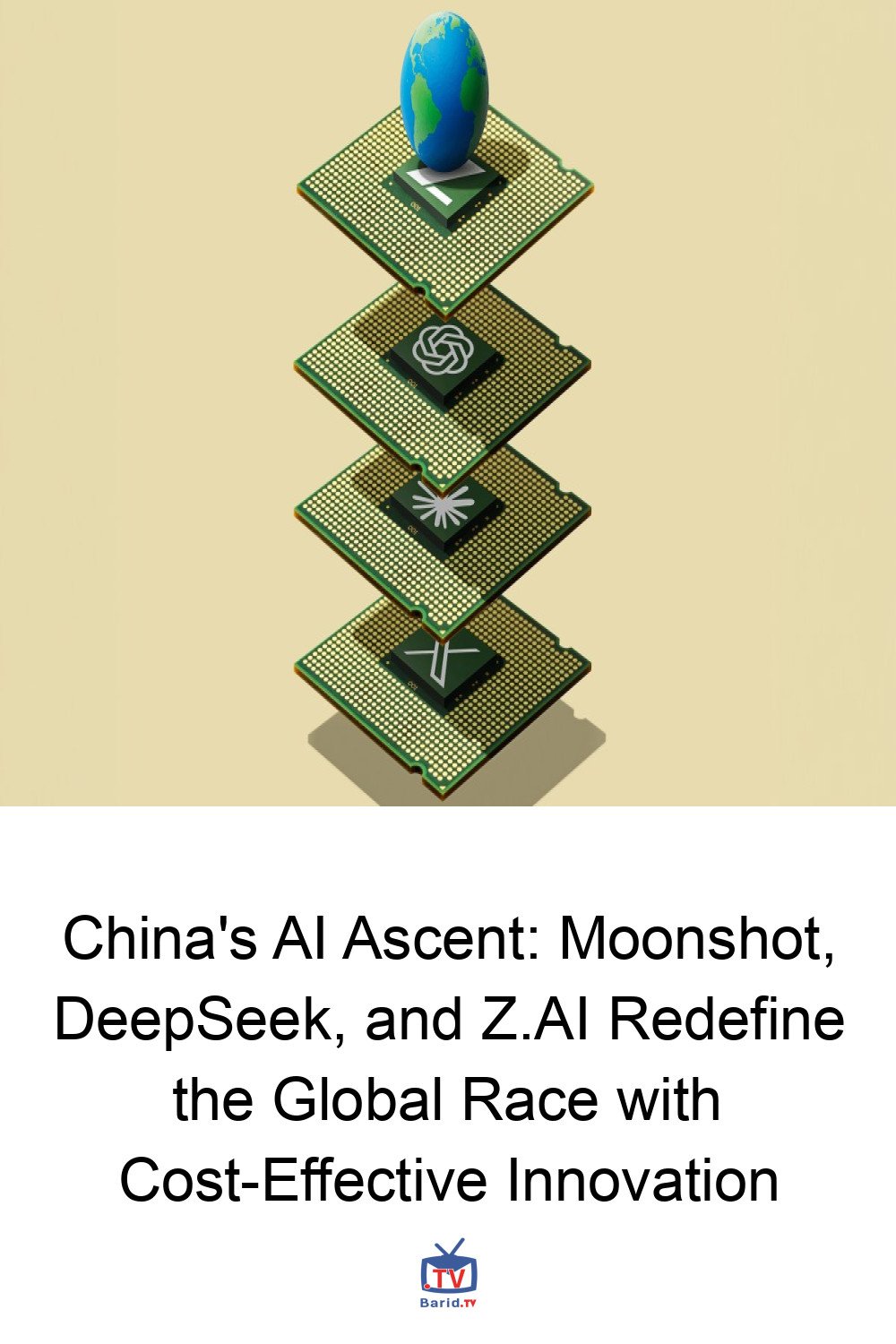
The artificial intelligence landscape is witnessing a seismic shift, as Chinese AI labs, once perceived to be lagging, are now not only challenging but, in some critical aspects, surpassing their U.S. rivals. This dramatic acceleration, particularly in cost-efficiency and performance, is reshaping global tech dynamics and sending ripples through financial markets.
Moonshot AI’s Kimi K3: A Game Changer
What began as a quiet buzz among AI enthusiasts culminated in a monumental reveal. In mid-July, Beijing-based Moonshot AI, the innovative force behind the Kimi large language model, unveiled Kimi K3. This wasn’t merely an incremental update; it was a declaration. K3 emerged as the largest open-source model ever released, boasting capabilities that rival Anthropic’s Fable 5, one of the market’s most potent publicly available models, yet offered at a significantly lower cost.
Moonshot’s internal benchmarks consistently place K3 among the top three AI models globally. Even more impressively, an independent assessment by Arena.AI positioned K3 as the leading model available, outperforming Anthropic. This triumph is a testament to the vision of Moonshot founder Yang Zhilin, a 34-year-old alumnus of Tsinghua and Carnegie Mellon, whose startup’s Chinese name pays homage to Pink Floyd’s iconic album, “The Dark Side of the Moon.”
Market Reactions and Shifting Perceptions
The launch of Kimi K3 sent shockwaves through the investment community, fundamentally challenging the long-held belief that U.S. firms could maintain their AI dominance simply by outspending Chinese competitors on computing power. Asian markets experienced a sell-off, with the chip-centric Philadelphia Semiconductor Index dropping 1.6%. Nvidia, a bellwether of the chip industry, saw its value plummet by nearly $600 billion, briefly ceding its title as the world’s most valuable company to Apple.
Leading figures in the AI world, including Anthropic CEO Dario Amodei and Tesla CEO Elon Musk, had predicted that Chinese AI labs would take at least another six months, if not a year, to produce models comparable to the U.S.’s best. Kimi K3 obliterated this timeline, demonstrating that Chinese AI has reached a level of sophistication and affordability that even U.S. startups and Fortune 500 companies are now quietly integrating these models to manage escalating AI budgets.
Innovation Against the Odds: China’s Resilience
This remarkable narrowing of the AI gap is particularly striking given Washington’s stringent export controls, implemented to restrict China’s access to advanced chips. “The AI ecosystem in China is probably much better than people thought,” notes Paul Triolo, a partner at DGA–Albright Stonebridge Group.
DeepSeek’s Budget-Friendly Breakthrough
Chinese developers have operated under a significant disadvantage since the U.S. began limiting their access to top-tier AI processors, like those from Nvidia, in 2022. The aim was to hobble China’s tech sector and preserve America’s AI lead. However, Hangzhou-based DeepSeek, a lab affiliated with a Chinese hedge fund, defied this strategy in early 2025. Its V3 and R1 models astonished the AI community by matching the performance of their U.S. counterparts, despite being trained on a “tiny budget” through ingenious programming and mathematical optimizations. DeepSeek proved that innovation could thrive even with second-tier hardware.
Z.AI and Meituan Join the Frontier Race
The Chinese AI race is characterized by rapid-fire advancements. In June, Z.AI captured headlines with its GLM-5.2 model, excelling in coding and creative design. Its stock soared over 1,100% through mid-July, briefly reaching a market capitalization of 1 trillion Hong Kong dollars ($127.6 billion), a valuation comparable to industry giants like BYD and Starbucks, despite having only $106 million in revenue the previous year. However, Moonshot’s Kimi K3 launch subsequently caused Z.AI shares to tumble 40% in two days, highlighting the intense competition.
Even consumer internet behemoths are entering the “frontier” AI arena. Meituan, primarily known for its food-delivery platform, introduced its LongCat-2.0 model. This model processed as much data as DeepSeek’s V4 and achieved performance levels on par with OpenAI and Anthropic releases from February. Crucially, Meituan claimed to have trained LongCat-2.0 entirely on Chinese-made processors, circumventing U.S. chip restrictions. “The idea that Meituan could train a 1.6 trillion-parameter model on domestic hardware would have been inconceivable in October 2022,” Triolo emphasizes, referring to the month U.S. AI export controls were initiated.
A New Global AI Reality
Globally, AI users are rapidly adjusting to a new paradigm: Chinese AI models are now competitive in capability and often superior in price. This shift is evident on platforms like OpenRouter, a popular marketplace for developers to access various AI models. In mid-July, Chinese companies dominated the rankings, with six of the top ten, and all of the top five, models originating from Tencent, Xiaomi, DeepSeek, MiniMax, Moonshot, and Z.AI.
This adoption isn’t limited to developer circles; mainstream companies are also taking notice. Last year, Airbnb CEO Brian Chesky confirmed his company’s use of Alibaba’s Qwen for customer service, signaling a broader acceptance and integration of Chinese AI solutions into global operations.
For more details, visit our website.
Source: Link