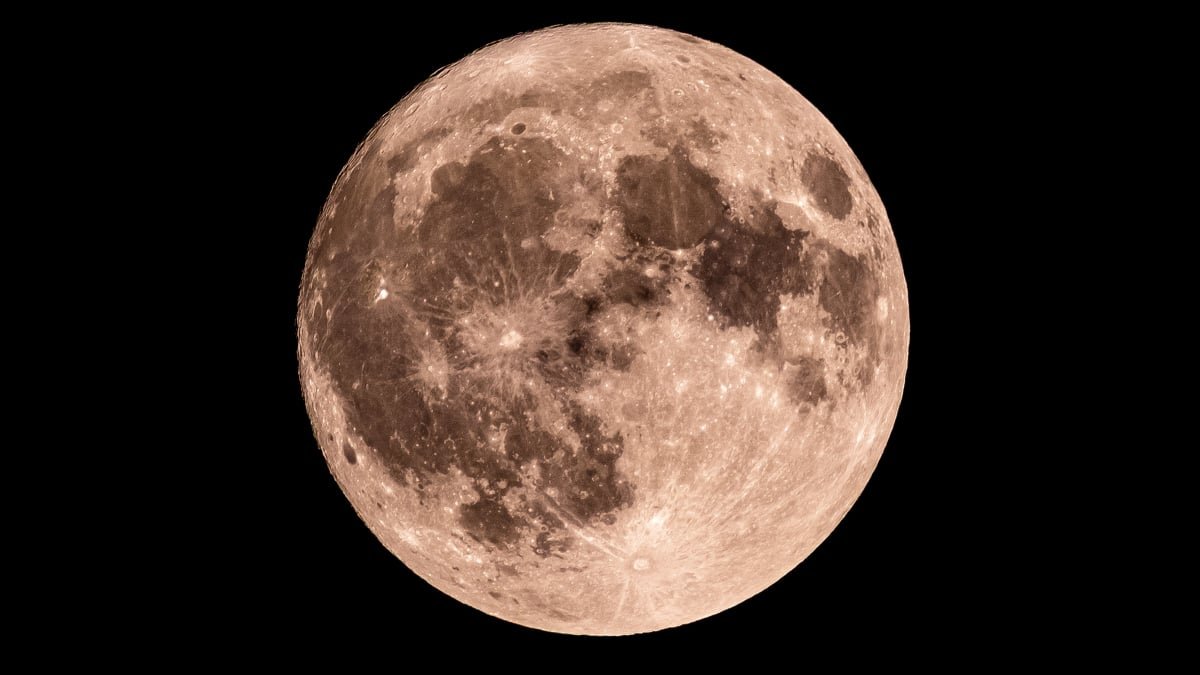

As the celestial ballet continues, our lunar companion is putting on a magnificent display tonight. Just a couple of days shy of its full glory, the Moon shines brightly, offering a prime opportunity for sky-gazers. Whether you’re equipped with high-powered optics or simply your keen eyesight, there’s plenty to discover on its ancient, cratered surface.
Gazing at the July 27th Moon: A Near-Full Spectacle
According to NASA’s Daily Moon Guide, as of Monday, July 27, the Moon is firmly in its
Waxing Gibbous phase, with a stunning 95% of its surface bathed in sunlight and visible from Earth. This near-full illumination provides an excellent chance to observe prominent lunar features.
What You Can Spot Tonight
- With the Naked Eye: Even without any aids, you should be able to clearly distinguish the vast, dark plains known as Mares Fecunditatis (Sea of Fecundity), Serenitatis (Sea of Serenity), and Tranquillitatis (Sea of Tranquility).
- With Binoculars:
Elevate your viewing experience with binoculars, which will bring into focus additional features like
Mare Nectaris (Sea of Nectar), Mare Humorum (Sea of Moisture), and the distinctive Endymion Crater.
- With a Telescope: For the truly dedicated observer, a telescope will reveal all the aforementioned features with greater detail, and even allow you to pinpoint the historic landing sites of Apollo missions 12, 16, and 17, marking humanity’s footsteps on another world.
Understanding the Lunar Cycle: A Dance of Light and Shadow
Mark your calendars: the next glorious Full Moon is set to grace our skies on July 29. This event is a highlight in the Moon’s fascinating journey.
The Moon’s complete orbit around Earth takes approximately 29.5 days, a period during which it cycles through eight distinct phases. While the same side of the Moon consistently faces our planet, the portion of its surface illuminated by the Sun changes as it moves along its orbital path. These shifting levels of illumination are what create the varied appearances we observe throughout the month, from a slender crescent to a half-lit orb, culminating in a brilliant Full Moon before the cycle gracefully begins anew.
The Eight Phases of the Moon Explained:
- New Moon: Positioned between Earth and the Sun, the side facing us is dark and invisible.
- Waxing Crescent: A delicate sliver of light emerges on the right side (for observers in the Northern Hemisphere).
- First Quarter: Half of the Moon’s face is illuminated on the right side, appearing as a perfect half-Moon.
- Waxing Gibbous: More than half of the Moon is lit, steadily growing towards full illumination.
- Full Moon: The entire face of the Moon is fully illuminated and visible, a breathtaking spectacle.
- Waning Gibbous: The Moon begins to lose light, starting from its right side (Northern Hemisphere).
- Third Quarter (or Last Quarter): Another half-Moon appears, but this time the left side is illuminated.
- Waning Crescent: A thin sliver of light remains on the left side before the Moon once again fades into darkness, completing its cycle.
Tonight, take a moment to look up and appreciate the Moon’s near-full radiance, a constant reminder of the cosmic wonders above.
For more details, visit our website.
Source: Link