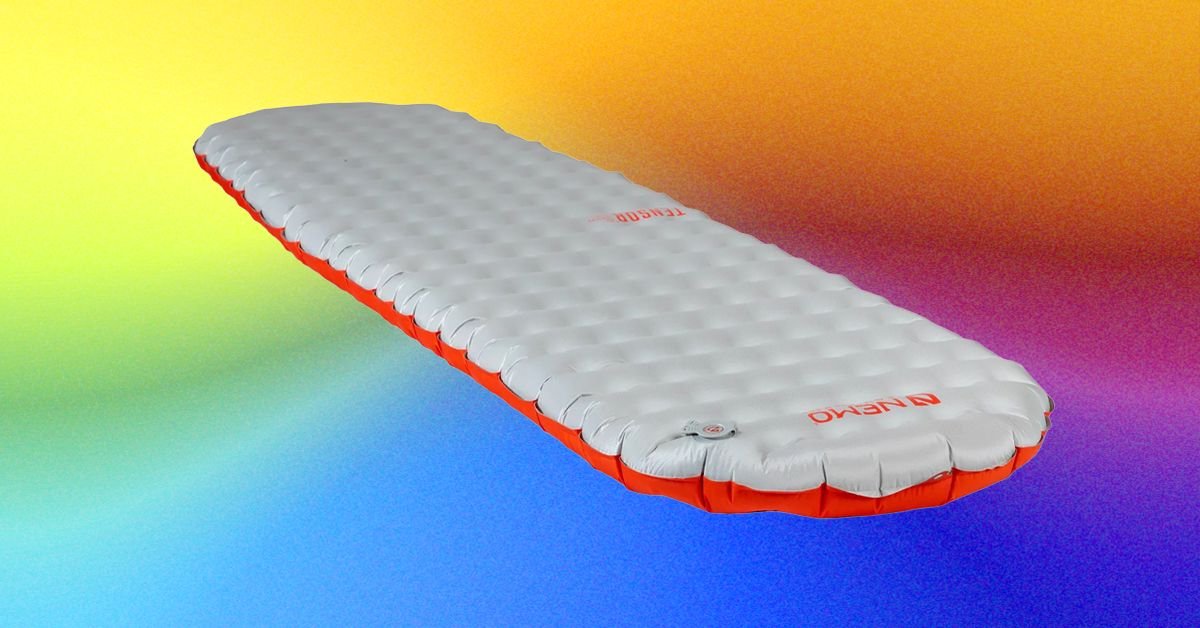

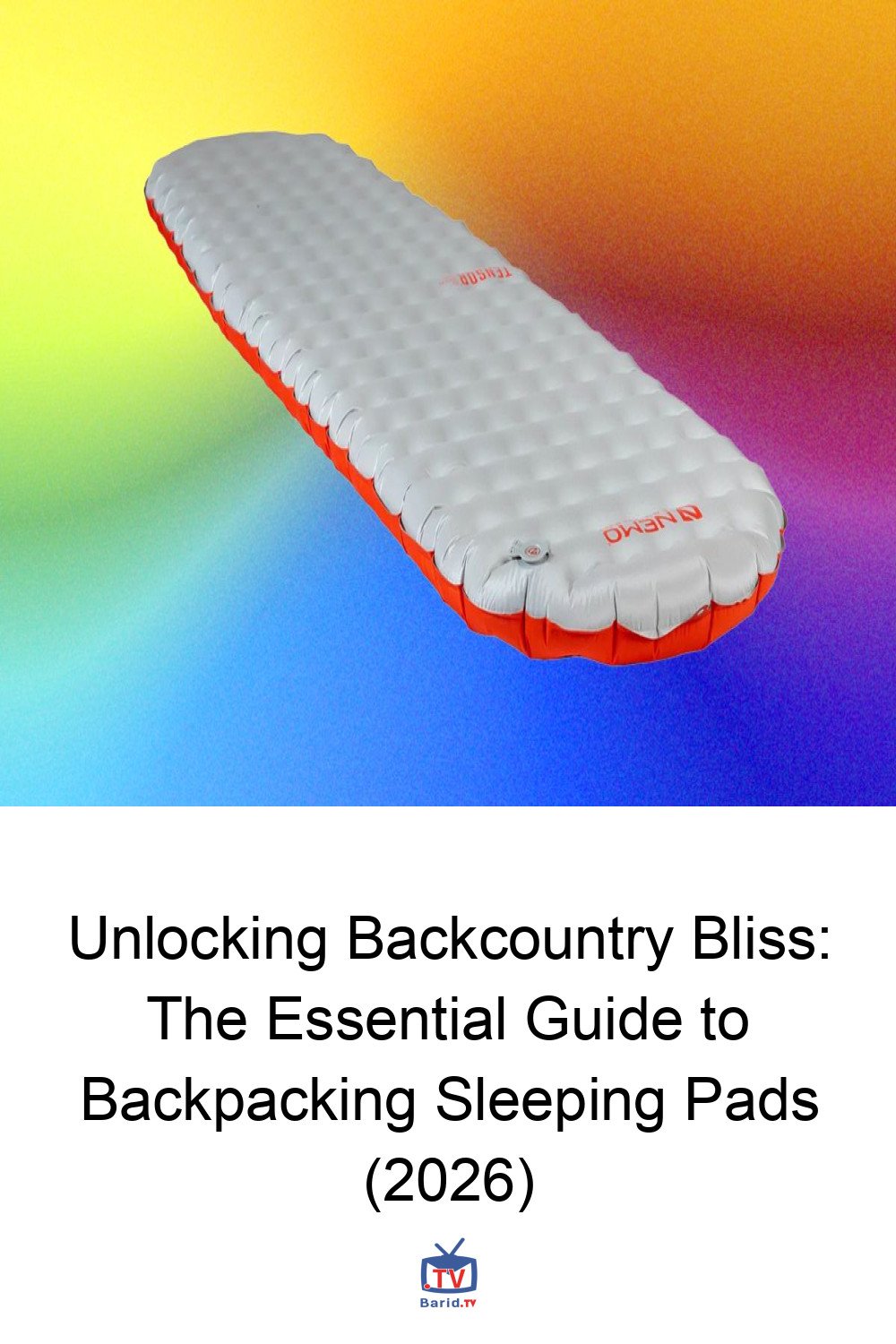
Unlocking Backcountry Bliss: The Essential Guide to Backpacking Sleeping Pads (2026)
For the avid backpacker, the allure of the wild is undeniable – the breathtaking vistas, the challenging trails, the profound solitude. Yet, even the most seasoned adventurers understand that a truly transformative experience hinges on one often-overlooked element: a good night’s sleep. Gone are the days when a thin foam mat was your only barrier against the cold, unforgiving ground. Today, the world of backpacking sleeping pads offers an unprecedented blend of comfort, warmth, and portability, ensuring your trail-weary body gets the restorative rest it deserves.
Our team has spent countless nights under the stars, rigorously testing a diverse array of sleeping pads across varied terrains and climates. While we’re pleased to report a remarkable track record of durability, some innovations truly stand out. This updated guide, revised in July 2026, incorporates the latest advancements, including Exped’s new Ultra 6.5R, updated insights on R-values, and refined recommendations to help you navigate the evolving landscape of backcountry sleep systems.
The Evolution of Trail Comfort: From Hard Ground to Plush Pads
Veteran backpackers often recount tales of rudimentary sleep setups – a half-inch of closed-cell foam, perhaps, offering minimal respite from jagged rocks and chilling earth. While such stoicism built character, modern gear has revolutionized backcountry comfort. Today’s market is rich with packable, lightweight sleeping pads designed to cradle you through the night, transforming a potential ordeal into a luxurious slumber. The technological leap means you no longer have to sacrifice precious rest for the sake of an authentic wilderness experience.
Choosing Your Ideal Backcountry Bed: Key Considerations
Selecting the perfect sleeping pad is a nuanced decision, impacting not just your comfort but also your overall warmth and energy levels on the trail. When exploring options, prioritize inflatable or self-inflating pads. While self-inflating models can be slightly heavier, both types offer superior insulation and cushioning compared to traditional foam, making them ideal for backpacking. Your ultimate goal is to strike the optimal balance between warmth and weight.
Understanding Pad Types: Inflatable vs. Self-Inflating
Inflatable pads, often requiring manual inflation (or a pump sack), offer exceptional cushioning and warmth-to-weight ratios. They pack down incredibly small, making them a favorite for ultralighters. Self-inflating pads, on the other hand, contain open-cell foam that expands when unrolled, drawing in air. They offer a simpler setup but typically come with a weight penalty.
The Warmth-to-Weight Conundrum
Every ounce in your pack counts, and your sleeping pad is no exception. Lighter, more compact pads free up valuable space for essentials like food, making them indispensable for long thru-hikes. However, this must be balanced against the need for warmth. A pad’s ability to insulate you from the cold ground is paramount, especially in colder climates.
Tailoring to Your Trip: Intended Use and Climate
Your destination and the season dictate your pad’s requirements. A summer trip to a warm, humid environment like the Everglades demands less insulation than a fall excursion to Michigan, where frosty ground temperatures are a certainty. Always consider the expected low temperatures and ground conditions of your specific adventure.
Know Thyself: Personal Sleep Preferences
Are you a side sleeper who needs extra cushioning for hips and shoulders? Opt for a thicker pad. Do you tend to sleep cold? Prioritize a higher R-value (more on that below). If you’re a restless sleeper prone to tossing and turning, a quieter ultralight pad will ensure you don’t disturb your tent mates.
Holistic Sleep System: Beyond the Pad
Remember, your sleeping pad is just one component of your overall sleep system. Its effectiveness is intrinsically linked to your sleeping bag, pillow, and even your base layers. Many temperature ratings for sleeping bags, for instance, assume you’re wearing appropriate base layers. A well-integrated system is key to maximizing warmth and comfort.
Versatility is Key: Why One Pad Might Not Be Enough
A single sleeping pad rarely serves all purposes. A lightweight pad perfect for balmy summer nights will prove inadequate for an alpine camp in early spring. While it might be tempting to compensate with a heavier sleeping bag, a properly insulated pad is crucial for preventing heat loss to the ground. For ultimate versatility and warmth, many experienced backpackers opt for a dual-pad system: an inflatable pad for primary cushioning and a thin, closed-cell foam pad for added insulation, durability, and a convenient sitting surface around camp.
Prioritizing Uncompromised Comfort
The days of enduring uncomfortable nights are over. This guide underscores that comfortable, lightweight sleeping pads are not a luxury but a fundamental component of a successful backpacking trip. Investing in a quality pad means the difference between shivering through the night and waking refreshed, ready to tackle the next day’s challenges.
Demystifying R-Values: Your Guide to Insulation
For years, R-values in the outdoor industry were a source of confusion, with inconsistent measurements across brands. Thankfully, a standardized system (ASTM FF3340) has emerged, allowing for reliable comparisons. When you see the ASTM acronym, you can trust the R-value listed. Thanks to industry pressure from retailers like REI, this standardized system is now widely adopted.
What is an R-Value?
An R-value quantifies a sleeping pad’s resistance to heat flow. Simply put, ‘R’ stands for ‘resistance.’ The scale is linear: a pad with an R-value of 2 resists heat twice as much as one with an R-value of 1. Consequently, a higher R-value indicates superior insulation, better protecting you from the cold ground.
Choosing the Right R-Value
Unlike sleeping bags, where an overly warm bag can lead to overheating in summer, selecting a high R-value pad for warm conditions isn’t detrimental. The primary consequence is simply carrying more weight than strictly necessary. The key is to match your R-value to the coldest conditions you expect to encounter, ensuring adequate insulation without excessive bulk for your typical trips.
With the right sleeping pad, every night in the backcountry can be a restful one, allowing you to fully immerse yourself in the beauty of nature without compromising on essential comfort.
For more details, visit our website.
Source: Link