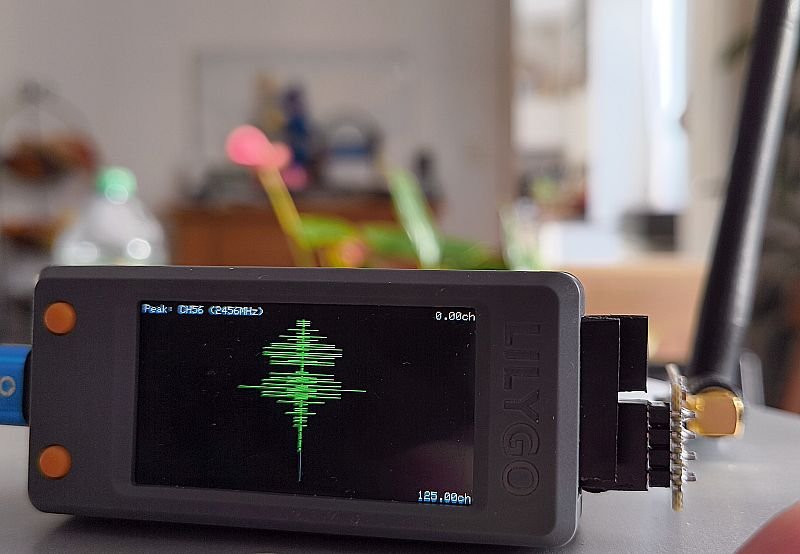

The ESP32 has long been lauded for its versatility, powering countless innovative projects across the globe. But what if this ubiquitous microcontroller could be transformed into a comprehensive hardware debugging powerhouse? Enter the ESP32 Bit Pirate, a groundbreaking firmware developed by Geo, designed to turn your ESP32 boards into indispensable bench tools.
Inspired by a Classic: The Bus Pirate Reimagined
Drawing inspiration from the legendary Bus Pirate, Geo’s ESP32 Bit Pirate is a true Swiss-army-knife for hardware enthusiasts. It addresses a fundamental need in hardware development and debugging: the ability to interact directly with components at a low level without the overhead of writing custom firmware for every single task.
Unlocking Low-Level Interaction
As Geo explains, “It came from a very practical need: when developing or debugging hardware, there is often a moment where you need to interact directly with a chip, sensor, flash memory, bus, or unknown device at a low level.” The ESP32 Bit Pirate excels in this domain, enabling users to:
- Send raw transactions
- Scan various buses
- Dump memory contents
- Test devices comprehensively
- Reverse engineer protocols
- Quickly validate hardware designs
All this can be achieved without the time-consuming process of coding a dedicated test program for each scenario.
Versatility Across the ESP32 Ecosystem
One of the ESP32 Bit Pirate’s most compelling features is its broad compatibility. It runs seamlessly on a range of supported ESP32 devices, from standard ESP32-S3 development kits to more specialized hardware like the M5 Cardputer.
On-the-Go Debugging with M5 Cardputer
The integration with the M5 Cardputer is particularly noteworthy. Imagine having a portable debugging station in your pocket! With the Cardputer’s built-in keyboard and screen, you can execute complex debugging tasks without needing any external devices, making it perfect for field diagnostics or quick bench checks.
A Game-Changer for Unknown Sensors and Beyond
While invaluable for general hardware debugging, Geo highlights its exceptional utility for deciphering unknown sensors. “Instead of writing a custom test program, you can connect the ESP32 Bit Pirate, scan the bus to find the device address, read or write registers manually, dump the register map, and quickly understand how the component behaves.” This streamlined approach drastically cuts down development time and frustration.
The same powerful methodology extends to a multitude of interfaces, including:
- SPI flash chips
- UART devices
- Infrared remotes
- Sub-GHz receivers
- And many other common hardware interfaces
Accessible to All: From Novice to Expert
The term “hardware debugging” can often sound intimidating, but Geo has ensured the ESP32 Bit Pirate is documented with beginners in mind. The goal is to create an intuitive and accessible tool for everyone. “I see it being used by embedded developers, hardware hackers, reverse engineers, students, and makers who need a flexible, accessible, and intuitive tool for exploring electronics and debugging boards,” Geo states.
Whether you’re a seasoned professional or just starting your journey into electronics, the ESP32 Bit Pirate offers a powerful yet user-friendly gateway to understanding and manipulating hardware at its most fundamental level.
Dive Deeper
Ready to transform your ESP32 into a formidable bench tool? Explore the full details, documentation, and source code on the official GitHub repository.
For more details, visit our website.
Source: Link