
As Filipino Heritage Month concludes, it’s a fitting moment to delve into the rich, multifaceted world of design from the Southeast Asian archipelago. Often described as indefinable, Filipino design continually surprises and captivates, as evidenced by the unexpected architectural marvels—from curvaceous Brutalist churches nestled in lush tropical landscapes to grand Corinthian-columned museums echoing colonial history. Despite the challenges, the Philippines’ design scene is not just surviving; it’s thriving, with visionary practitioners skillfully blending cultural traditions with contemporary aesthetics, both locally and internationally.
To illuminate this vibrant landscape, we’ve gathered insights from three distinguished figures in the Philippine design community: Patrick Kasingsing, Editor at Kanto; Adela Locsin, Project Architect at Leandro V. Locsin Partners; and Jon Medalla, Founder of Prototecture. They offer a curated glimpse into what truly defines contemporary Filipino design.
The Art of Harmonious Fusion: Tahanan Furniture & Brian Ver
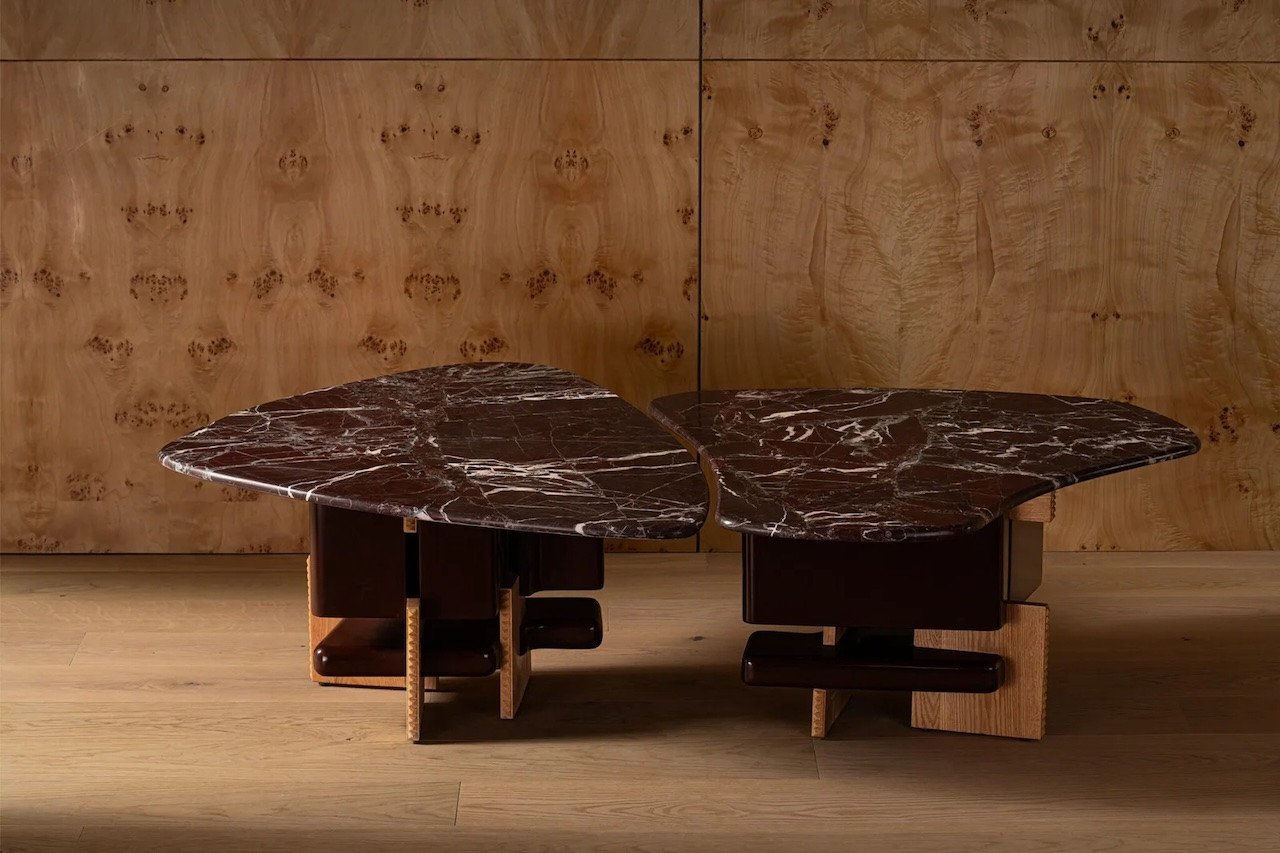
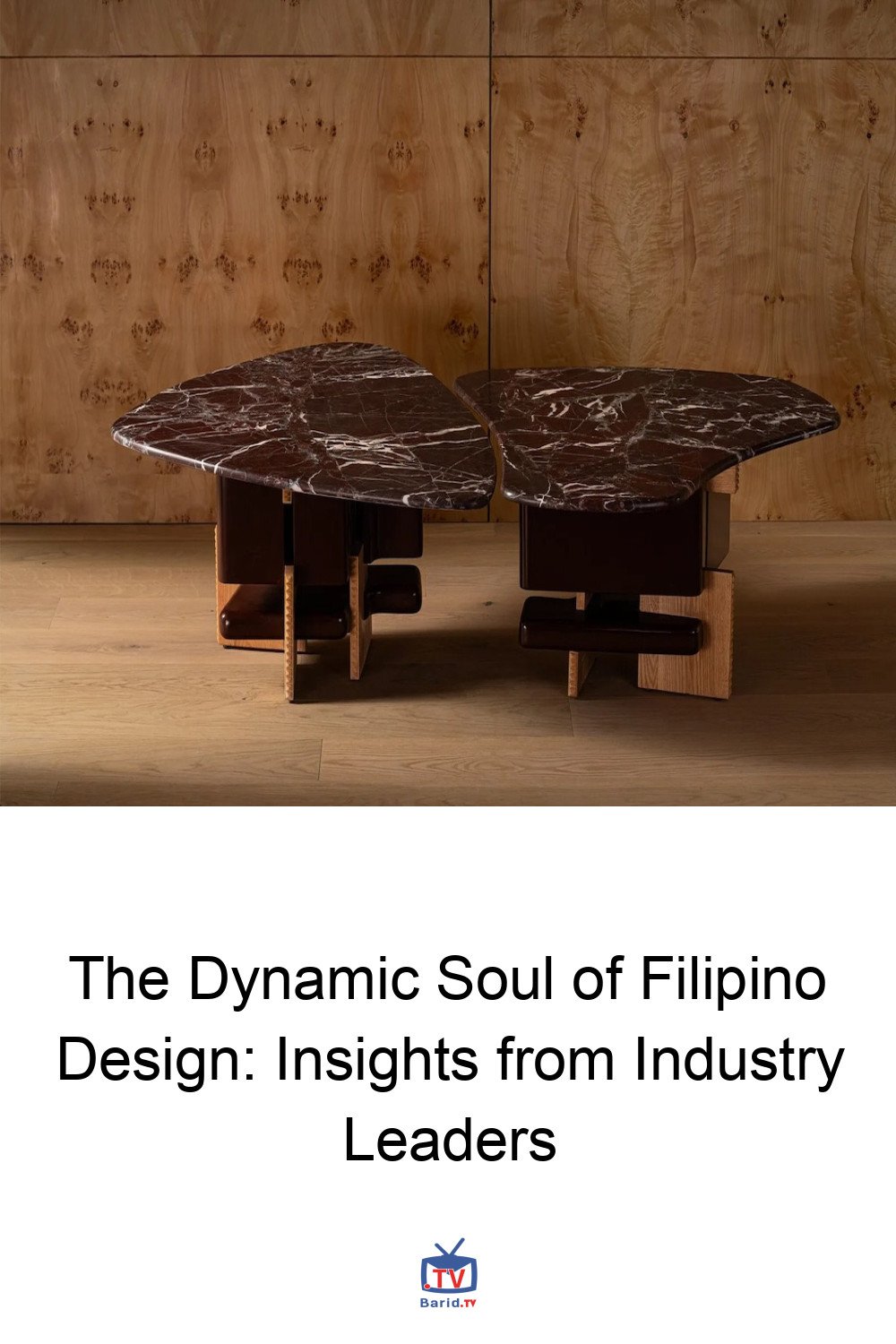
Patrick Kasingsing, Editor at Kanto, shines a spotlight on the remarkable collaboration between Tahanan Furniture and architect Brian Ver. “The Philippines has long been a furniture powerhouse,” Kasingsing notes, referencing legends like Cebuano rattan virtuoso Kenneth Cobonpue and renaissance man Lor Calma. Among the recent launches, Tahanan Furniture’s relaunch collection stands out after a two-year hiatus.
Brian Ver’s Maximalist Masterpiece
What makes this collection particularly compelling is the unexpected pairing of Tahanan with Brian Ver. Known for his minimalist vernacular and precise work with wood, Ver was presented with a “maximalist brief” and an expansive material palette: textiles, leather, marble, and wood. The triumph lies in the collection’s cohesive, tactile outcome, which has already garnered international attention at Maison&Objet, rather than a visual cacophony. Kasingsing praises it as a collection that “gives even a committed minimalist design fan like myself reason to linger,” showcasing how traditional Filipino craftsmanship can seamlessly integrate with contemporary silhouettes.
Bridging Worlds: Julia Villamonte’s Global Filipino Sensibility
Adela Locsin, Project Architect at Leandro V. Locsin Partners, expresses her excitement for Julia Villamonte, a Bicol native making waves in Milan. Having recently returned to the Philippines herself, Locsin is inspired by designers who maintain a deep connection to Filipino materials and sensibilities while living abroad. “Living far apart from what you’ve always known has a way of reframing your thinking,” she observes.
Crafting with Connection
Julia Villamonte, an architect by training, exemplifies this approach. She consciously works with available resources, whether found objects from her Italian environment, materials hand-carried across borders by friends and family, or the invaluable generational knowledge passed down by mentors. Her sculptural lamps, vessels, and mobiles are not merely objects; they are “products of many hands and minds,” imbued with the wisdom, knowledge, and materiality of a homeland she remains profoundly connected to, even from afar.
Ancestral Wisdom, Future Forms: Jon Medalla’s Reimagined Heritage
Architect Jon Medalla, founder of Prototecture and Grasscraft, finds his greatest excitement in the opportunity to reinterpret ancestral and vernacular traditions for the modern world. His work spans multiple scales, from furniture to urban interventions.
The Bambutaka Chair and Urban Innovation
At the furniture level, Medalla’s Bambutaka Chair offers a fresh perspective on the traditional colonial-era butaka
(Filipino lounge chair). It marries multiple species of Philippine bamboo with contemporary forms and meticulous craftsmanship, breathing new life into a classic. On an urban scale, projects like Trademark Bar and Lounge and House of Lechon demonstrate how local materials, particularly bamboo, can thrive in unexpected contemporary contexts, from nightlife to retail. Medalla emphasizes that his interest lies not in choosing between heritage and progress, but in their intersection—where “ancestral wisdom becomes a foundation for creating more sustainable, human-centered, and future-forward ways of living.” This pursuit, he concludes, is about “breathing life into buildings,” fostering connection, belonging, and a deeper relationship with nature, heritage, and place.
Collectively, these diverse practices and projects underscore a fundamental truth: contemporary Filipino design is neither a static aesthetic nor a simple exportable commodity. It is a vibrant, ongoing dialogue—a dynamic exchange between memory and material, local knowledge and global movements, inherited forms and innovative ways of making. It is, in essence, the evolving soul of a nation expressed through its creations.
For more details, visit our website.
Source: Link