
Midjourney’s Medical Leap: Innovation or Illusion in Body Scanning?
From generating fantastical cat images to envisioning full-body ultrasound scans, Midjourney, the AI startup renowned for its image generator, has made an astonishing pivot into the high-stakes world of medical imaging. This audacious shift, announced recently, proposes a futuristic ultrasound scanner designed to offer insights as profound as an MRI, yet as effortless as a spa visit. While the ambition is palpable, medical experts are raising a crucial question: where’s the proof?
A Vision of Effortless Diagnostics
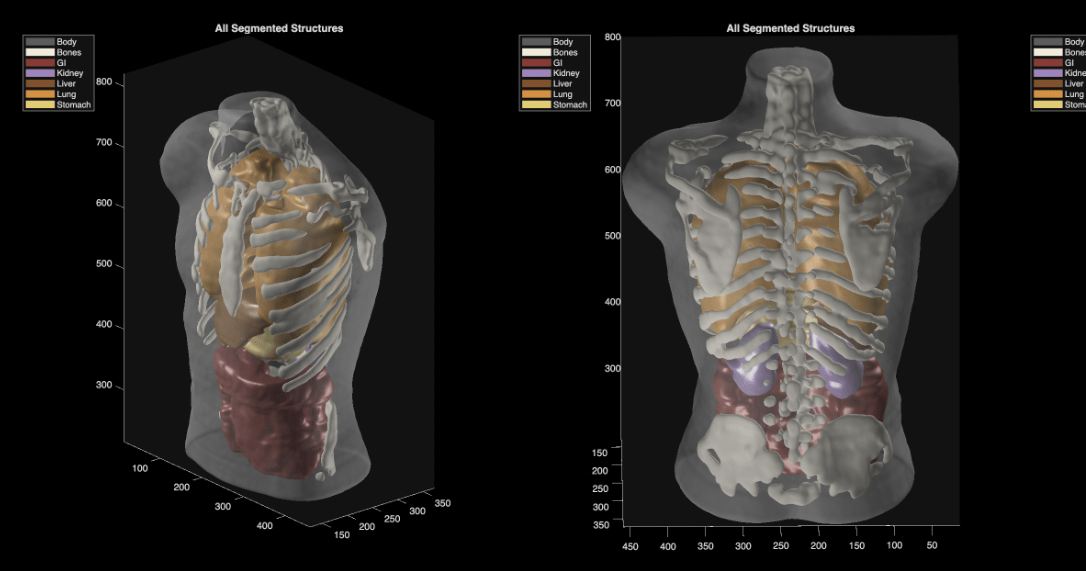
Midjourney’s foray into healthcare, dubbed “Midjourney Medical,” centers around a revolutionary ultrasound scanner. The company’s CEO, David Holz, paints a picture of users being gently lowered into a vat of water, where a ring of underwater sensors would scan their bodies in under 60 seconds. The promise? To produce internal images akin to dolphin echolocation, offering data that could help individuals live longer, healthier lives, potentially even surpassing the capabilities of traditional MRI.
The Technology Under the Hood
This proposed system aims to dramatically cut down scan times. While typical ultrasounds can take 30 minutes or more, and MRIs often demand extended periods of stillness within a noisy, confined tube, Midjourney’s solution aims for a minute-long, comfortable experience. The company states that AI and specialized chips are integral to handling the “unthinkably huge amounts of data and processing power” required for these rapid, high-fidelity scans, also enabling lossless compression and faster processing.
Skepticism Meets Silicon Valley Hype
The announcement has sparked a predictable divide. Online, particularly within the tech and startup communities, it’s been hailed as a disruptive moonshot—a path to cheap, constant health monitoring that could save lives and generate substantial revenue. However, the medical and radiology communities, while acknowledging the exciting potential, remain largely unconvinced by the bold claims.
The Demand for Evidence
Medical imaging specialists have voiced significant skepticism. They point out that while the concept isn’t entirely new, Midjourney has presented little public evidence to substantiate its ambitious goals. “Where is the proof?” is the resounding question, echoing concerns about the scanner’s comparisons to MRI, its claimed scan volume, image fidelity, and the underlying hope that frequent imaging will inherently prolong lives. Experts emphasize that there’s “a long road ahead to generating high-quality images and then to understand the clinical value and demonstrate net benefit to patients.”
Navigating the Regulatory Labyrinth
Midjourney’s pivot is not just a technological leap; it’s a strategic one, moving from the largely unregulated realm of AI art to the tightly controlled world of medicine and the burgeoning, yet still complex, wellness sector. Curiously, the initial blog post outlining the plan barely mentions AI, and the venture’s connection to Midjourney’s existing business model remains unclear.
Initially, Midjourney is not positioning the scanner as a diagnostic medical device, a move that sidesteps the immediate need for rigorous FDA clearance and extensive clinical trials. Instead, it’s framed as a tool for personal data acquisition, empowering individuals to make better health decisions. The company does, however, express intentions to expand into formal medical applications in the future, which would necessitate navigating those very regulatory hurdles.
The Road Ahead: From Vision to Validation
Midjourney’s vision of a spa-like, hyper-efficient body scanner is undeniably compelling, tapping into the desire for accessible and comprehensive health insights. Yet, the journey from a bold statement to a clinically validated, life-saving technology is fraught with challenges. For this ambitious endeavor to truly revolutionize healthcare, Midjourney will need to move beyond promises and present concrete, peer-reviewed evidence that can withstand the scrutiny of the medical community and the rigorous demands of regulatory bodies. Until then, the question of whether this is a genuine medical breakthrough or a grand illusion will continue to loom large.
For more details, visit our website.
Source: Link