
The fight against Ebola is a relentless battle, often marked by rapid outbreaks and devastating loss. Yet, in the midst of a new crisis gripping the Democratic Republic of Congo and Uganda, a crucial weapon remains largely unused: a highly promising vaccine for the Bundibugyo strain, developed over a decade ago. Its story is a stark reminder of the complex interplay between scientific breakthrough, funding priorities, and global health preparedness.
A Decade of Dormancy: The Bundibugyo Breakthrough
In 2011, a critical experiment unfolded in a high-containment laboratory off the coast of Texas. Crab-eating macaques, infected with the aggressive Bundibugyo strain of Ebola, suffered the harrowing symptoms of the disease – fever, weight loss, internal bleeding. But three of their vaccinated counterparts, recipients of a novel vaccine developed by virologist Thomas Geisbert, remained entirely symptom-free. While two-thirds of the unvaccinated succumbed, the vaccinated thrived.
Geisbert, an immunology professor at the University of Texas Medical Branch, knew his work was a success. If the recombinant vesicular stomatitis virus (rVSV) vaccine protected primates, it was highly likely to protect humans. Yet, as he reflects today, “We’ve got the rVSV Bundibugyo vaccine sitting on the shelf.” Despite its proven efficacy in animal models, this vital defense has never progressed to human trials, stalled by a persistent lack of funding and commercial interest.
From Biodefense to Benchwarmer
Geisbert’s journey began in the early 2000s, fueled by post-9/11 biodefense concerns. With US Army funding, he sought to develop a vaccine for Ebola, a pathogen once considered a potential biological weapon. His initial breakthrough in 2003 showed a single injection could protect monkeys from other Ebola strains. However, publishing his findings revealed a harsh reality: “There just wasn’t a global market for an ebola vaccine,” he explains. “It’s not a moneymaker, nobody really wanted to pick it up.” This commercial indifference prompted Geisbert to broaden his vaccine’s scope, successfully testing a blend against multiple strains by 2009.
The Shadow of Zaire: A Tale of Two Strains
The world’s attention truly galvanized during the catastrophic 2013-2016 Ebola epidemic in West Africa, driven by the more common Zaire strain. With 28,600 infections and 11,300 deaths, the urgency for a vaccine became undeniable. This crisis spurred the development and deployment of Ervebo, a Merck-developed vaccine partly based on Geisbert’s foundational work. Ervebo’s success in “ring vaccination” – immunizing contacts of infected individuals to create a protective buffer – was a monumental achievement, earning Geisbert recognition among Time magazine’s “Ebola fighters.”
Bundibugyo’s Overlooked Threat
However, Geisbert’s initial multi-strain studies had deliberately omitted Bundibugyo. With lower fatality rates and only three prior outbreaks, including a contained 2012 incident in the DRC that killed 30, it seemed less pressing. “We thought that’s probably the one that’s least likely to pop up,” Geisbert admits. “We guessed wrong.”
This knowledge gap prompted him to modify a vaccine in 2011, leading to the successful macaque study. Yet, even then, commercial interest remained elusive. Had the 2012 Bundibugyo outbreak occurred after the major Zaire epidemic, Geisbert speculates, pharmaceutical companies might have been more inclined to invest.
The Current Crisis and a Race Against Time
Today, the Bundibugyo strain is at the heart of a new outbreak in Central and East Africa, infecting hundreds and claiming around 200 lives. Public health officials are scrambling, and the World Health Organization (WHO) has identified Geisbert’s long-dormant vaccine as the most promising candidate.
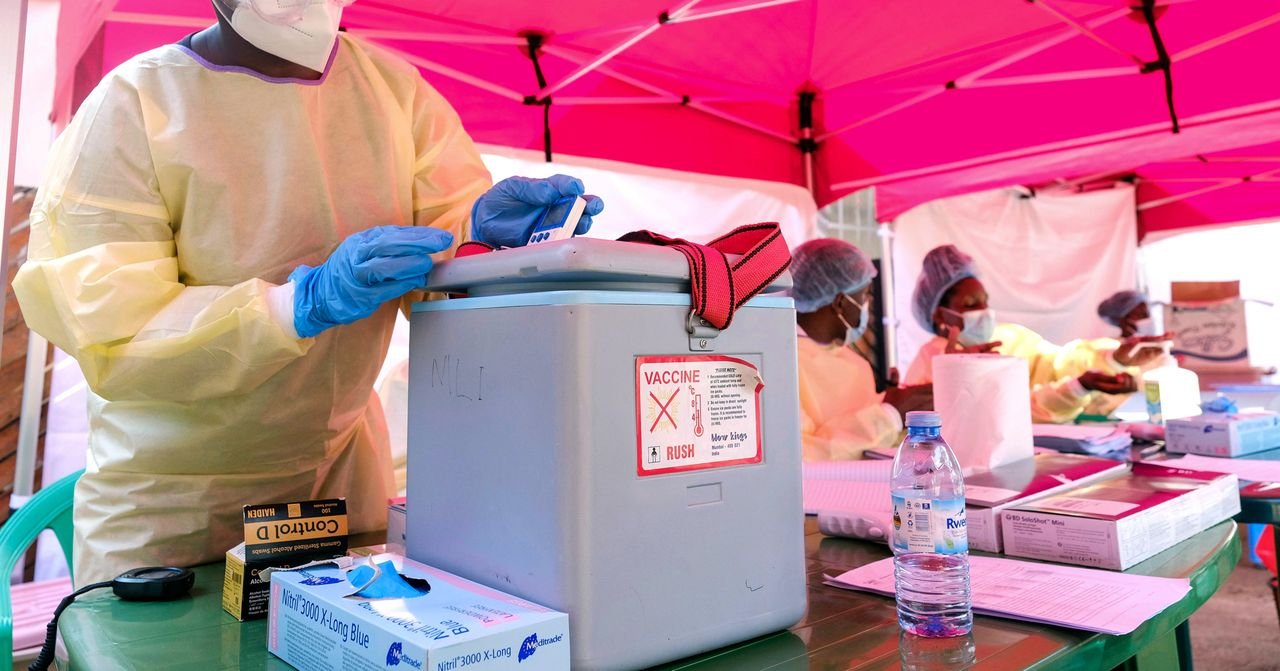
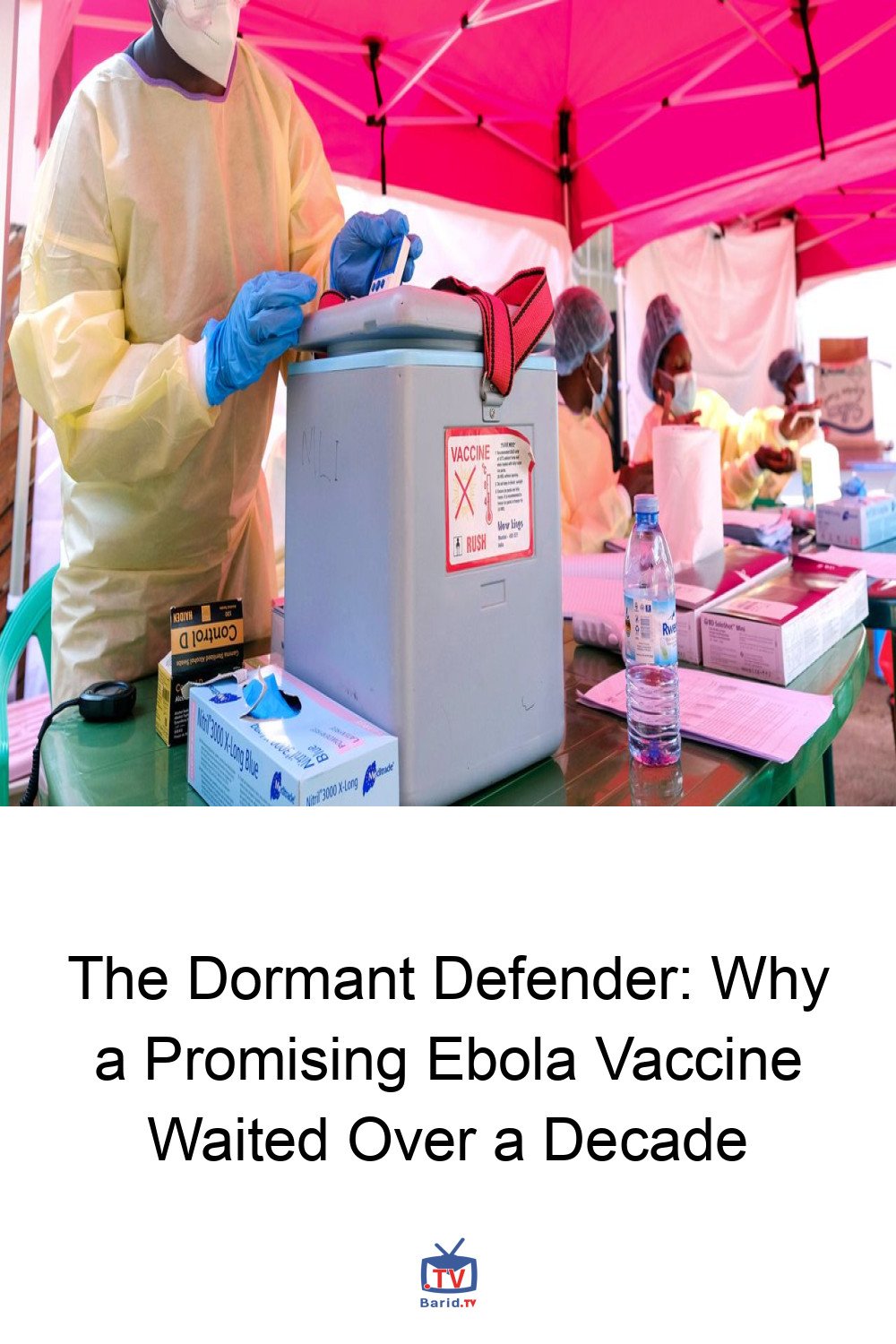
Geisbert believes WHO’s positive experience with Ervebo is a key factor, describing his Bundibugyo candidate as essentially “Bundibugyo Ervebo.” The rVSV-based vaccine’s suitability for ring vaccination – a strategy proven effective – was further reinforced by a 2023 study. This research demonstrated that most vaccinated monkeys were protected from the virus even after exposure, a critical factor for containing outbreaks through targeted immunization.
The challenge now is to accelerate the safety and efficacy testing that could take months, even as the Bundibugyo virus continues its devastating spread. The world watches, hoping that a decade of waiting won’t cost more lives.
For more details, visit our website.
Source: Link