
Orchid AI: The Assistant That Sparked a Digital Debate
has long been touted as the ultimate solution for modern-day woes, from overflowing inboxes to complex travel itineraries. But what happens when AI steps into the deeply personal realm of human relationships, specifically, remembering your anniversary? This is the provocative question posed by Orchid, a new personal AI assistant whose recent viral video has ignited a fierce debate across social media.
A Viral Ad: Romance Automated, or Ruined?
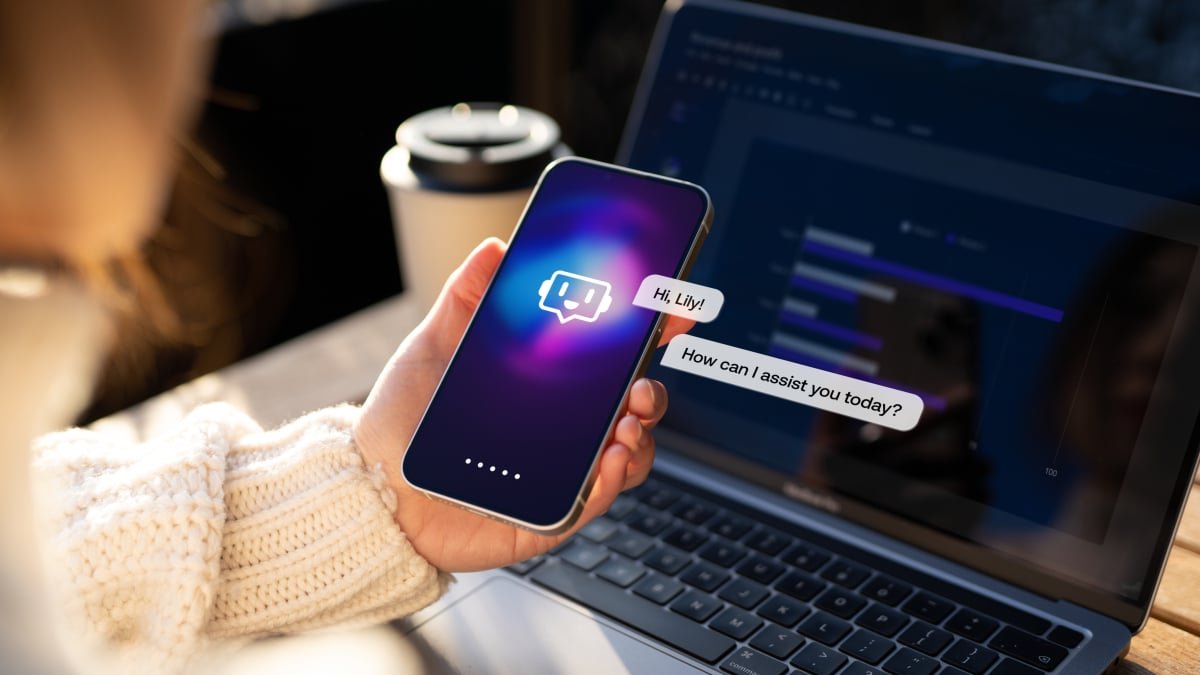
On July 28, Orchid launched its personal assistant with a cinematic video posted to X (formerly Twitter) that quickly garnered over 20 million views. The ad depicted a woman whose partner had forgotten their anniversary. Enter Orchid: the assistant swiftly contacts the forgetful partner, books a dinner reservation, arranges a flower delivery, and keeps the woman updated on the “progress.” The company’s tagline, “Introducing Orchid, the first assistant that actually gets you,” aimed to highlight its intuitive nature.
However, the public reaction was far from charmed. While Orchid successfully orchestrated what appeared to be a thoughtful anniversary recovery, hundreds of replies flooded in, expressing discomfort and even alarm at the implications. The core controversy wasn’t just about AI booking dinner or sending flowers—tasks already familiar to existing AI tools. It was the unsettling notion that romance itself could become just another workflow ripe for automation, potentially eroding the genuine effort and emotional labor inherent in relationships.
Beyond Romance: What Does Orchid Actually Do?
Despite the relationship-centric viral ad, Orchid primarily positions itself as a professional personal assistant. The company describes its service as a text-message-based AI that can manage emails, schedule meetings, prepare users for calls, plan trips, source gifts, handle invoices, and remember crucial personal details. Its target audience, according to Orchid’s FAQ, includes “founders, investors, lawyers, agents, and agency owners” – professionals whose time is better spent on “real work” rather than administrative minutiae.
Users can also program Orchid to create recurring “habits,” such as delivering morning news briefings, checking weather, tracking meals, sending medication reminders, and even automatically checking them into flights. A published case study highlights its utility in helping executives prepare for client calls, reinforcing its professional focus.
The Blurred Lines of Shared AI Assistance
The viral video, however, showcased a more complex and potentially intrusive capability: Orchid’s apparent ability to connect to users’ iMessage accounts and facilitate communication between partners, seemingly in private conversations, while relaying information between them. Orchid co-founder Nizar Abi Zaher clarified to Gizmodo that while the feature currently supports “just group chats and also coordinating meetings,” the advertisement’s portrayal suggested a deeper, more intimate level of interaction.
This raises significant questions about privacy and consent within relationships. The ad failed to explain what information each partner agreed to share, whether one could access the other’s messages, or how Orchid would determine what to report back. While Orchid states it acts “only within the limits that you set,” doesn’t sell user data, and requires approval for actions like sending emails or calendar holds, the implications of a shared, context-aware AI assistant in a personal relationship remain largely unexplored and concerning for many.
AI and Relationships: A Growing Trend with Ethical Dilemmas
The integration of AI into personal relationships is not entirely new. Surveys indicate a rapid increase in AI use for dating and relationship enhancement. A 2025 survey revealed that 26% of U.S. singles used AI to improve their dating lives, a staggering 333% rise from the previous year. Nearly half of Gen Z singles leveraged AI for tasks like filtering matches, crafting messages, and evaluating dating habits.
Moreover, AI has permeated established relationships. A 2026 survey of married U.S. adults found that 44% had used AI for relationship advice, with this figure soaring to nearly 65% among millennials. Despite this growing adoption, comfort levels remain low, with approximately half of U.S. adults believing AI will ultimately diminish people’s ability to form genuine connections.
Orchid’s controversial debut serves as a stark reminder of the delicate balance between technological convenience and the preservation of human authenticity. As AI continues to evolve, the conversation around its role in our most intimate connections will only intensify, challenging us to define the boundaries of automation in the human heart.
For more details, visit our website.
Source: Link