
Beyond Blood Pressure: The DASH Diet’s Unexpected Heart Shield for Type 1 Diabetics
For years, the DASH (Dietary Approaches to Stop Hypertension) diet has been lauded as a gold standard for cardiovascular health, primarily recognized for its efficacy in lowering blood pressure. This flexible eating framework champions whole, minimally processed foods rich in potassium, calcium, magnesium, and fiber. However, much of the foundational research focused on the general population or individuals with type 2 diabetes, leaving a significant gap for another high-risk group.
A groundbreaking new longitudinal study is now shifting this narrative, revealing an unexpected and vital benefit of the DASH diet for people living with type 1 diabetes (T1D). The findings carry profound implications for a population already facing a substantially elevated risk of cardiovascular disease.
The Unseen Threat: Cardiovascular Risk in Type 1 Diabetes
Individuals with type 1 diabetes contend with a two to four times higher risk of developing cardiovascular disease compared to their non-diabetic counterparts. Despite this heightened vulnerability, understanding how specific dietary patterns influence the blood markers crucial for monitoring this risk has remained relatively unexplored.
The recent research leveraged data from the Coronary Artery Calcification in Type 1 Diabetes (CACTI) study, tracking participants over three years. The comprehensive analysis included 563 adults with T1D and 692 adults without diabetes, providing a robust dataset for comparison.
Unpacking the CACTI Study: A Deeper Dive into Dietary Patterns
Researchers meticulously scored adherence to three prominent healthy eating patterns: the DASH diet, the Alternate Healthy Eating Index (AHEI-2010), and the Mediterranean-Style Dietary Pattern Score (MSDPS). The objective was to correlate these dietary scores with four critical blood markers: homocysteine, high-sensitivity C-reactive protein (hs-CRP), fibrinogen, and PAI-1. The analysis rigorously controlled for confounding factors such as age, sex, BMI, blood pressure, cholesterol levels, smoking status, and physical activity.
DASH Diet’s Unique Impact: Lowering Homocysteine and PAI-1
Among the three dietary patterns investigated, only the DASH diet demonstrated a consistent and significant ability to lower both homocysteine and PAI-1 levels in both the T1D group and the control group. While the other two patterns showed some association with homocysteine, neither proved effective in reducing PAI-1 across both cohorts.
The observed effect, though modest, was remarkably consistent: for every one-point increase in DASH diet adherence score, homocysteine levels decreased by approximately 0.5%, and PAI-1 levels saw a reduction of about 1% in both groups.
Understanding the Markers: Why They Matter for Your Heart
These two specific blood markers play pivotal roles in cardiovascular health:
Homocysteine:
An amino acid naturally present in the blood. Elevated levels can inflict damage on blood vessel walls, significantly increasing the risk of blood clots, stroke, and heart disease. High homocysteine is often linked to B-vitamin deficiencies or certain genetic predispositions.
PAI-1 (Plasminogen Activator Inhibitor-1):
A protein that regulates the body’s ability to break down blood clots. When PAI-1 levels are excessively high, clots become more resistant to dissolution, a condition associated with increased inflammation and the dangerous buildup of plaque in the arteries.
Given their elevated heart disease risk, both homocysteine and PAI-1 are routinely monitored in individuals with type 1 diabetes.
Embracing the DASH Lifestyle: What It Entails
All three dietary patterns examined in the study emphasize a foundation of plant-based foods, healthy fats, and fiber, while limiting red meat, added sugars, and sodium. Specifically, the DASH diet encourages:
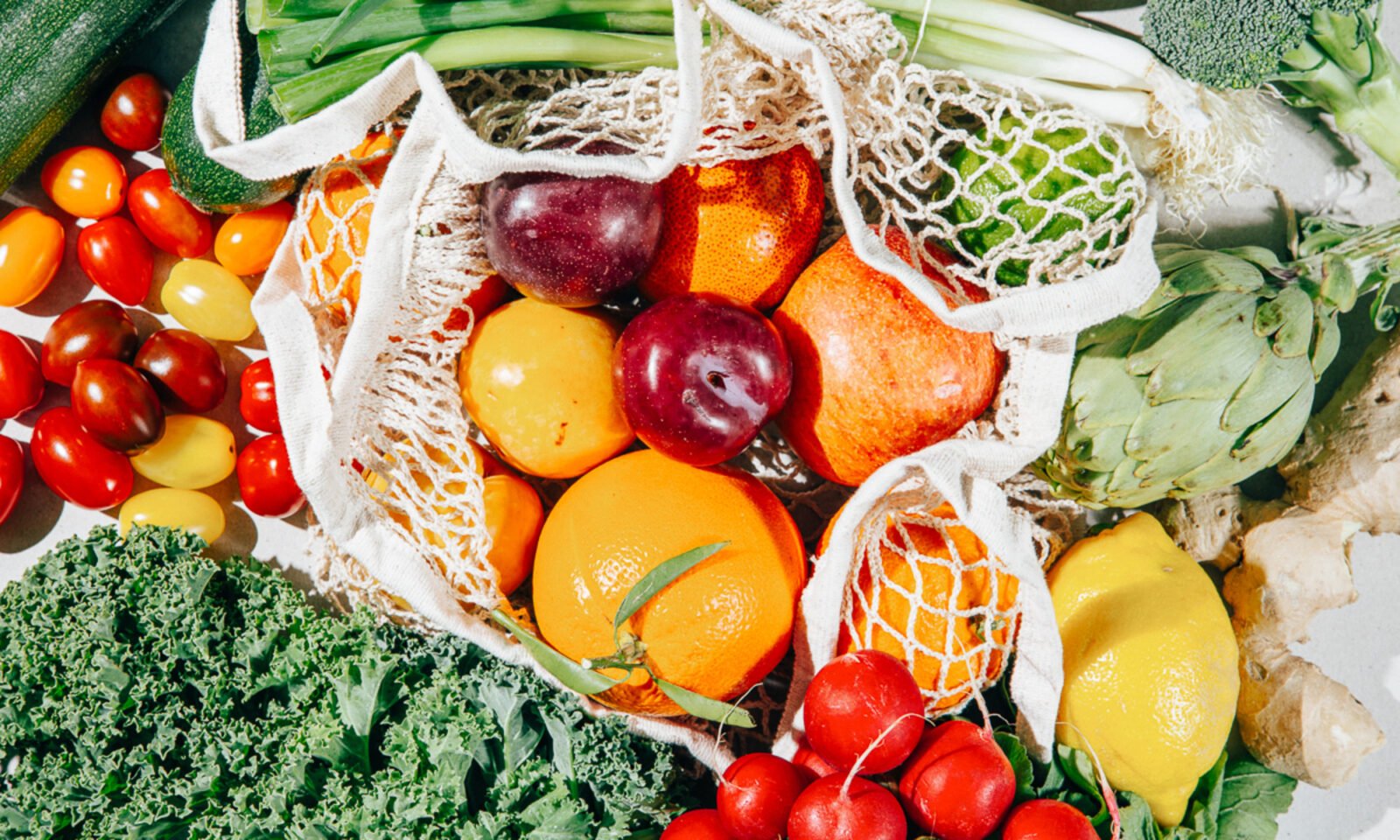
- Abundant Vegetables and Fruits: Forming the cornerstone of most meals.
- Whole Grains: Options like brown rice, oats, and whole wheat bread.
- Low-Fat Dairy: A distinctive feature differentiating DASH from the Mediterranean diet.
- Legumes and Nuts: Excellent sources of plant-based protein and fiber.
- Lean Proteins: Prioritizing fish and poultry over red and processed meats.
- Low Sodium Intake: Minimizing added salt and high-sodium packaged foods.
- Limited Added Sugar: Reducing consumption of sweetened beverages and processed sweets.
The study’s authors suggest that future research, including randomized controlled trials, should further explore specific DASH components—such as low-fat dairy, whole grains, and reduced sodium/added sugar intake—to pinpoint which elements most directly influence homocysteine and PAI-1 levels in people with T1D.
The Takeaway: A Powerful Tool for T1D Heart Health
This compelling study significantly expands our understanding of the DASH diet’s cardiovascular benefits, demonstrating its relevance far beyond the general population. For individuals with type 1 diabetes, who face a considerably elevated risk of heart disease and undergo regular monitoring for inflammatory and clotting markers, greater adherence to the DASH diet emerges as one of the most practical and evidence-backed dietary strategies available to safeguard their heart health.
Source: ScienceDirect
For more details, visit our website.
Source: Link