
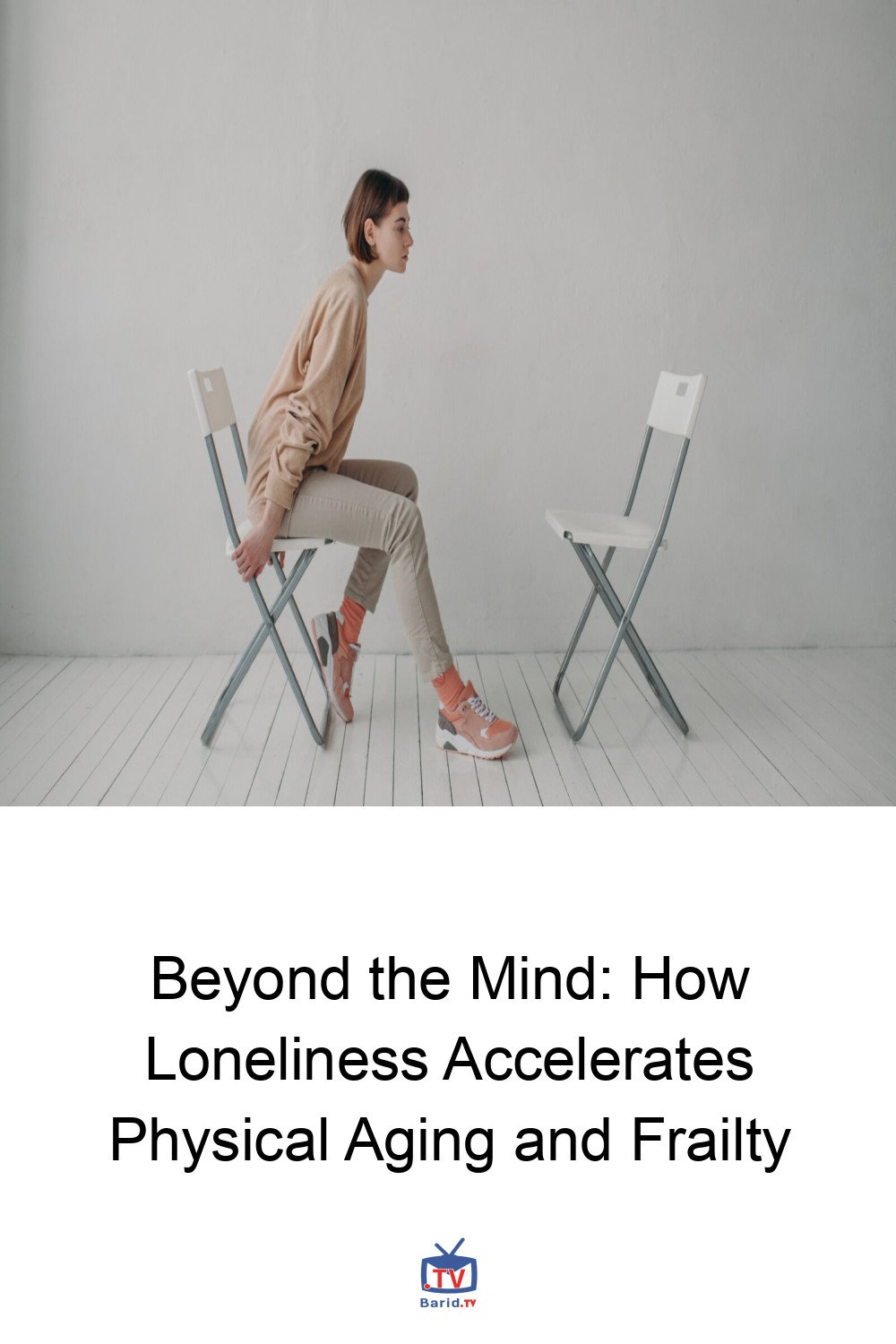
For years, loneliness has been predominantly categorized under mental health, often discussed in tandem with depression and cognitive decline. However, groundbreaking new research is challenging this narrow view, revealing a profound physical dimension to feeling disconnected. This study suggests that loneliness doesn’t just impact our mood; it significantly influences how robust and resilient our bodies remain as we age, particularly in relation to physical frailty.
This paradigm shift necessitates a re-evaluation of what constitutes a holistic healthy aging plan. If fostering genuine connections can safeguard not only our emotional well-being but also our physical vitality, then a regular dinner with friends deserves as much emphasis as our dedicated strength training sessions.
Unpacking the Research: Loneliness, Isolation, and Frailty
The comprehensive analysis, published on August 13, 2026, by Zhané Slambee, meticulously compiled data from four extensive, long-running studies focused on aging. This monumental undertaking encompassed 80,050 adults spanning 31 countries, offering a truly global perspective on the issue.
Defining the Terms: Isolation vs. Loneliness
- Social Isolation: Characterized by a quantifiable lack of actual contact with other individuals.
- Loneliness: Defined as the subjective, distressing feeling of being disconnected, irrespective of the amount of social contact one might have.
Participants were tracked over time to ascertain whether either social isolation or loneliness correlated with the onset of frailty—a condition marked by a loss of strength, energy, and overall physical reserve—or with their overall lifespan. A crucial aspect of the study involved examining the extent to which frailty itself might explain any observed links between social disconnection and mortality.
The Startling Findings: Frailty as a Bridge to Shorter Lifespans
Over an approximate seven-year follow-up period, the findings were stark: roughly a quarter of the participants developed frailty, and just under 8% passed away.
- Social Isolation’s Impact: Adults experiencing social isolation were found to be 26% more likely to become frail and a significant 33% more likely to die during the study compared to their more connected counterparts.
- Loneliness’s Own Risk: The subjective feeling of loneliness also carried substantial risk, increasing the chance of frailty by 19% and elevating mortality risk by 25%.
Crucially, the study revealed that frailty acted as a powerful mediator in these relationships. It accounted for approximately a quarter of the link between social isolation and mortality, and strikingly, more than half of the link between loneliness and a shorter lifespan. This suggests that the erosion of physical strength and resilience is a primary mechanism through which feelings of solitude can impact longevity.
While this was an observational study, indicating patterns rather than direct cause-and-effect, the sheer scale and consistency of the data present a compelling argument. It underscores the importance of integrating questions about loneliness into routine care for older adults and making frailty assessments a standard part of health check-ups.
Cultivating Connection and Physical Resilience for a Healthier Future
The good news is that strategies to bolster both your social life and physical reserve can seamlessly integrate into your daily routine. It’s about finding balance and consistency.
Nurturing Your Social Fabric
- Anchor a Social Ritual: Dedicate a fixed slot in your week to connection. This could be a Sunday phone call with family, a standing dinner with friends, a weekly class, or a regular volunteer shift that brings you into contact with familiar faces.
- Engage Locally: Plug into community groups, a faith community, or library programs. This broadens your social network beyond a single relationship, fostering a sense of belonging.
Building Physical Reserve
- Prioritize Strength Training: Aim for two to three strength training sessions per week. Preserving muscle mass is fundamental for maintaining mobility, supporting metabolism, and ensuring independence in later life.
- Combine Movement with Connection:
Maximize your time by choosing activities that offer both physical and social benefits. A group fitness class, a training partner, or a neighborhood walking club can tick both boxes simultaneously.
Consistency, rather than sheer volume, is the cornerstone of these efforts. The research highlighted the significance of ongoing contact and sustained feelings of connection over many years. While building meaningful relationships can be a gradual process, it’s a vital longevity habit that often gets overshadowed by other health metrics like sleep scores or supplement regimens. If persistent low mood or anxiety accompanies feelings of loneliness, seeking professional support is also a crucial step.
The Bottom Line: Relationships as Body Maintenance
The data unequivocally demonstrates that feeling disconnected carries tangible physical consequences, extending far beyond emotional distress. Frailty emerges as a central player in this relationship, prompting researchers to advocate for the joint assessment of loneliness and frailty in the care of older patients. Ultimately, actively tending to your relationships should be considered an integral part of your body’s maintenance, not merely a separate, optional aspect of self-care.
For more details, visit our website.
Source: Link