

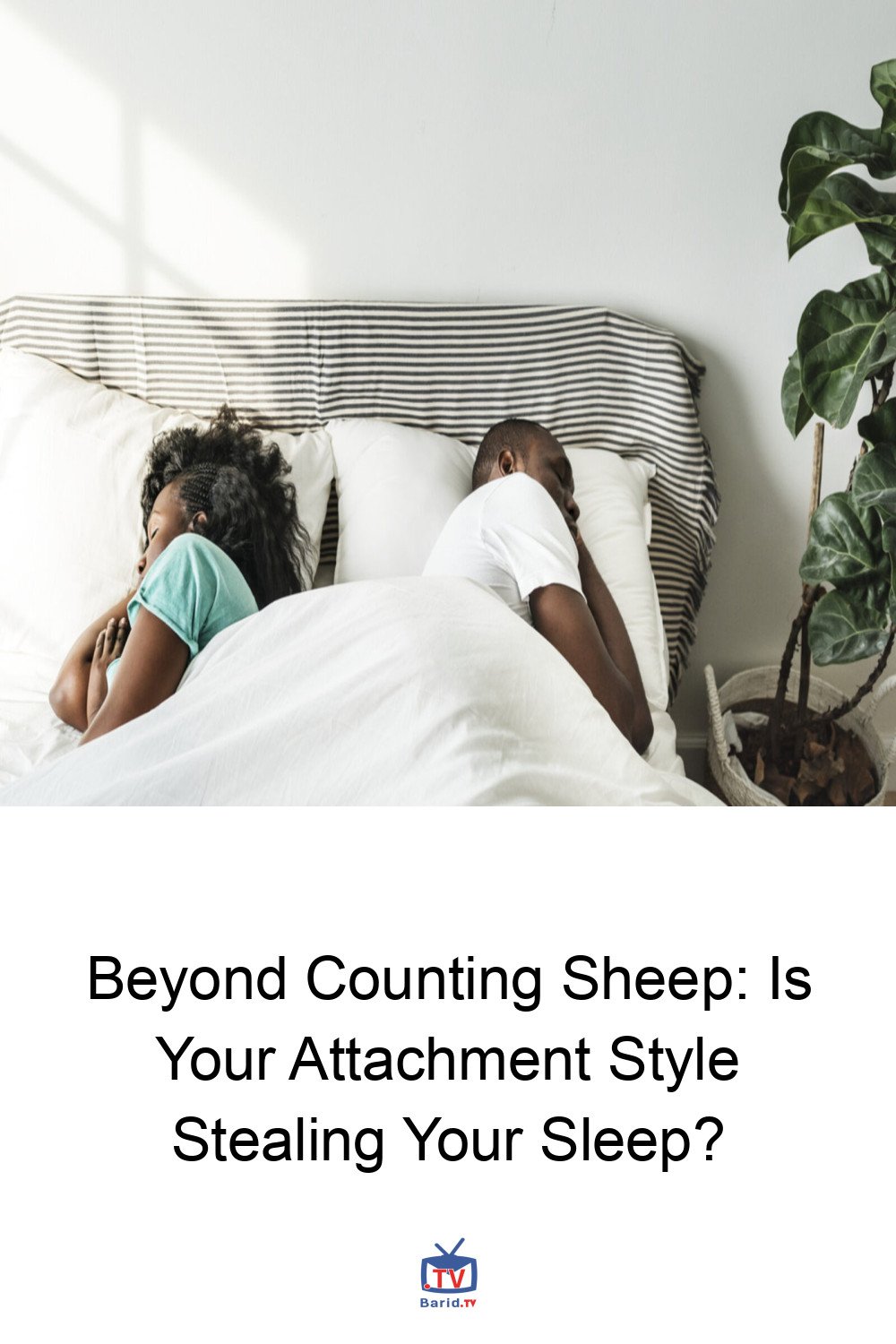
For many, a good night’s sleep feels like an elusive dream. We meticulously adjust our diets, optimize our workout routines, and fine-tune bedroom temperatures, yet the restorative slumber we crave remains just out of reach. What if the culprit isn’t just physical, but deeply emotional and relational?
New research suggests a surprising, yet profound, link between our relationship attachment styles and the quality of our sleep. It appears that the way we connect with others might be a hidden factor keeping us awake at night, and conversely, poor sleep could be intensifying our relationship anxieties.
Unpacking Attachment Styles: A Brief Refresher
Before diving into the findings, let’s briefly define an “attachment style.” Developed in the field of psychology, attachment theory describes the behavioral patterns individuals exhibit in their close relationships. One common style,
anxious attachment, is characterized by a deep-seated fear of abandonment and a pervasive insecurity within relationships. Individuals with an anxious attachment often seek constant validation and reassurance to soothe their fears.
The Research: Insecurity, Sleep, and the Cycle of Jealousy
A recent study published in the journal SLEEP
set out to explore the intricate relationship between attachment styles and sleep quality. Researchers hypothesized that the “interpersonal conflict and altered emotional experiences” often associated with anxious or avoidant attachment could lead to “exaggerated sleep-related socio-emotional impairment.”
The study involved 68 young adults who completed questionnaires about their sleep and relationships, along with two weeks of daily self-reports on their emotions and behaviors. The findings were compelling:
- Relationship insecurity was directly associated with poorer sleep quality.
- Crucially, poor sleep appeared to intensify feelings of jealousy and envy, particularly in individuals with higher levels of trait relationship anxiety.
As the study authors note, these results offer early evidence that the impact of sleep on our emotions isn’t universal; it can vary significantly based on an individual’s attachment style. Those with insecure attachment, they conclude, “may be most at risk of the socio-emotional effects of poor sleep.”
Breaking the Cycle: Nurturing Secure Sleep and Relationships
If you recognize elements of anxious attachment in yourself, it’s important to know that this is absolutely something you can address and improve. Moving towards a more secure attachment style is a journey that, with professional support and self-awareness, is entirely achievable.
Strategies for Better Sleep and Stronger Bonds:
- Acknowledge and Understand:
The first step is recognizing your attachment style and identifying when it’s being triggered. This self-awareness is foundational for change.
- Seek Professional Guidance:
Therapists and counselors specializing in attachment theory can provide invaluable tools and strategies to help you develop more secure relational patterns.
- Prioritize Quality Sleep: As this research underscores, sufficient, restful sleep is not just good for your body, but crucial for your emotional regulation and relationship health.
Study co-author Giovanni Alvarado emphasizes this point: “People with anxious attachment, or those who struggle with insecurity in relationships, may be especially vulnerable to feelings of envy and jealousy when they’re sleep-deprived.” He adds that this understanding can inform more targeted interventions, considering an individual’s relationship style when addressing sleep issues.
To support both your sleep and your emotional well-being, reinforce your fundamental sleep hygiene practices:
- Maintain a consistent sleep schedule, going to bed and waking up at the same time daily.
- Ensure your bedroom is a cool, dark, and quiet sanctuary.
- Consider high-quality, research-backed sleep supplements if appropriate, after consulting with a healthcare professional.
The Takeaway
The intricate dance between our emotional security in relationships and our ability to achieve restorative sleep is undeniable. While the stress of relationship insecurity might predictably disrupt your slumber, the good news is that understanding this profound connection empowers you to take proactive steps. By addressing both your attachment style and your sleep habits, you can foster greater emotional resilience and enjoy the deep, rejuvenating sleep you deserve.
For more details, visit our website.
Source: Link