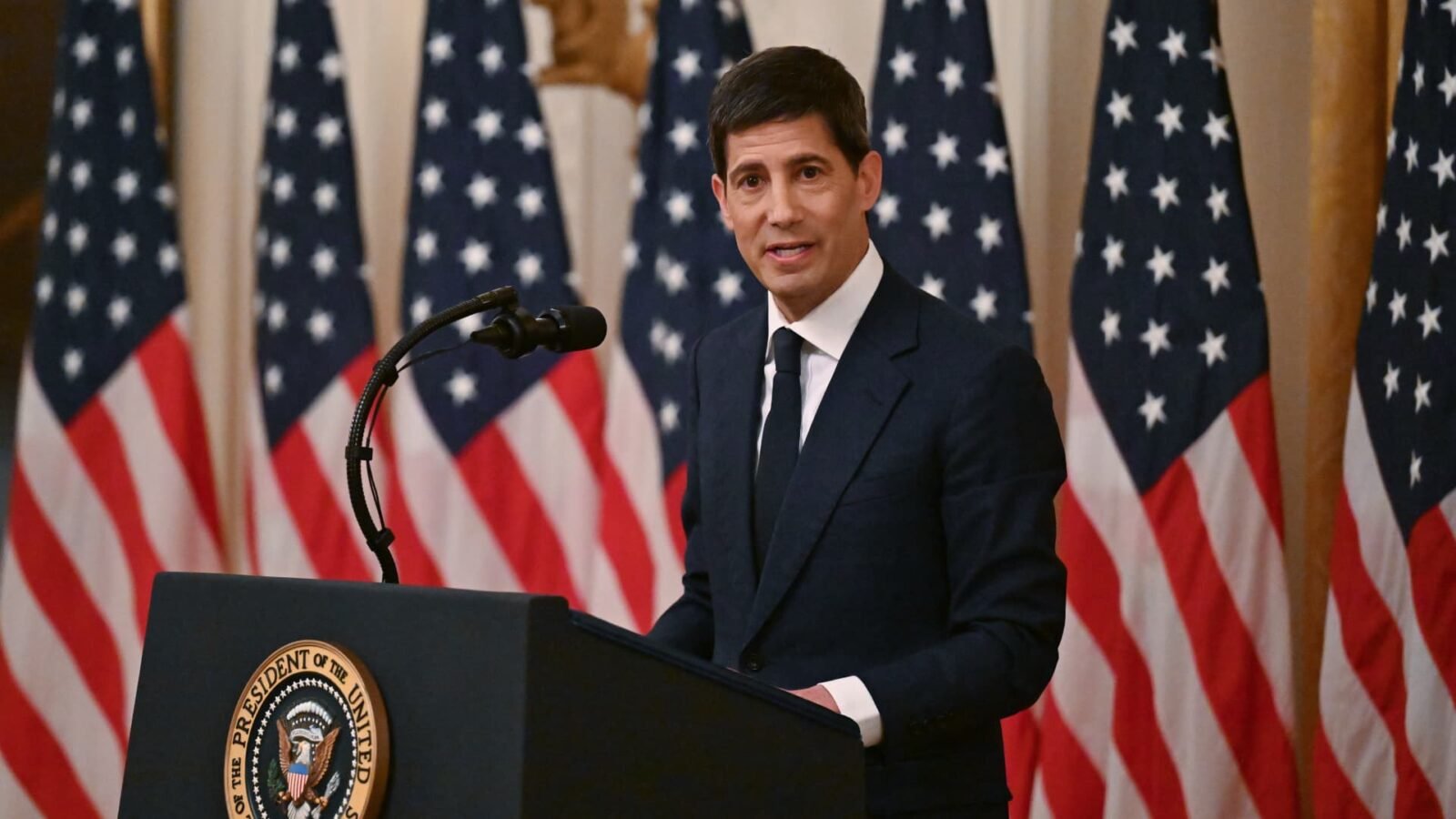

When talk of “regime change” echoes through the halls of the Federal Reserve, the financial world typically braces for shifts in interest rates or leadership. Yet, for incoming Federal Reserve Chair Kevin Warsh, the real revolution may be far more nuanced, unfolding deep within the intricate “plumbing” of Wall Street and fundamentally altering how the Fed manages the U.S. economy’s financial infrastructure.
This isn’t merely about tweaking policy; it’s a profound re-evaluation of the central bank’s role, particularly concerning its colossal balance sheet—a behemoth built over nearly two decades of crisis intervention. The central question: should the Fed’s balance sheet remain a regular instrument for influencing financial conditions, or should it be reserved strictly for moments of severe market dysfunction and economic distress?
A Subtle Shift with Monumental Implications
Since the 2008 financial crisis, the Federal Reserve has dramatically expanded its presence in financial markets. What was once a relatively modest $800 billion balance sheet, primarily used for managing short-term interest rates, swelled to nearly $9 trillion at its peak. Today, its holdings of Treasurys and mortgage-backed securities stand at approximately $6.8 trillion, representing about 23% of the U.S. economy—a seven-fold increase from pre-crisis levels.
This expansion was a deliberate strategy to stabilize markets and inject liquidity during times of extreme stress. However, Warsh and others now propose a significant recalibration. Interviews with former Fed officials and economists suggest Warsh could steer the Fed towards a reduced, more defined role in daily financial markets, establishing clearer guidelines for intervention. The debate is technical, but its implications are anything but trivial.
Rewriting the Fed’s Playbook: The $6.8 Trillion Question
Any substantial alteration to the Fed’s operational framework carries immense weight. Changes could ripple through the economy, directly influencing Treasury yields, mortgage rates, and other interest-sensitive sectors. Moreover, it would redefine how policymakers respond to future crises, potentially limiting their tools or forcing different approaches.
“It’s a debate we’re going to be seeing later this year,” notes Lou Crandall, chief economist at Wrightson ICAP and a seasoned Fed observer. “But one thing that’s encouraging about all of this is that nobody, including Kevin Warsh, is arguing that any of this could be done rapidly. It’s got to be done carefully, and some of the changes … would probably take time to implement. Everyone’s looking at this as a medium-term project rather than part of the day-one agenda.”
Warsh himself has publicly described the balance sheet as “bloated,” suggesting in a Wall Street Journal op-ed that it could be reduced even while allowing the Fed to lower interest rates—a seemingly paradoxical but strategically significant proposition.
The ‘Regime Change’ Blueprint: Beyond Interest Rates
While Warsh’s pronouncements have been broad, Wall Street analysts are already sketching out potential new operating frameworks. One particularly intriguing idea comes from Steve Blitz, chief U.S. economist at TS Lombard. Blitz posits that a Warsh-led Fed might pivot away from solely relying on the federal funds rate—the rate banks charge each other for overnight lending—as its primary policy transmission mechanism.
Instead, greater emphasis could be placed on the overnight repo market, the crucial short-term funding system that underpins the Treasury market. “The repo rate becomes the policy rate,” Blitz suggests. This shift could create a fascinating dynamic: Warsh might appease calls for lower interest rates while simultaneously maintaining tighter underlying financing conditions, a delicate balance as policymakers contend with persistent inflationary pressures.
Navigating Headwinds: Opposition and Challenges
Such a radical rethinking, however, is unlikely to proceed without significant resistance. Many within the Fed remain skeptical, not only about the feasibility of substantially shrinking the balance sheet but also about the potential benefits. Fed Governor Michael Barr, for instance, has voiced strong opposition.
“I think shrinking the balance sheet is the wrong objective, and many of the proposals to meet this objective would undermine bank resilience, impede money market functioning, and, ultimately, threaten financial stability,” Barr stated in a recent speech. His concerns highlight the profound complexities and potential risks associated with unwinding such a deeply embedded and powerful tool of monetary policy.
As Kevin Warsh prepares to potentially take the helm, the financial world watches closely. His “regime change” may not be heralded by dramatic rate hikes or cuts, but by a painstaking, deliberate re-engineering of the very foundations upon which the U.S. financial system operates. The debate is set, and its outcome will shape the future of monetary policy for years to come.
For more details, visit our website.
Source: Link