
A Glimmer of Hope: Trump Announces ‘Largely Negotiated’ Iran Deal
In a significant development for global diplomacy and energy markets, President Donald Trump announced Saturday that a comprehensive agreement with Iran, crucially including the reopening of the Strait of Hormuz, has been “largely negotiated.” The announcement follows extensive consultations with key regional allies, signaling a potential breakthrough in long-standing tensions.
Taking to social media to share the progress, Trump indicated that the final details and aspects of the deal are currently under discussion and an official announcement is expected “shortly.” While a specific timeline remains undisclosed, the President confirmed engaging with leaders from a broad spectrum of nations, including Saudi Arabia, the United Arab Emirates, Qatar, Pakistan, Turkey, Egypt, Jordan, Bahrain, and Israel.
Intense Diplomacy Behind the Scenes
Sources close to the negotiations, speaking anonymously due to the sensitive nature of the talks, revealed that the United States and Iran were on the cusp of finalizing a memorandum of understanding aimed at de-escalating the ongoing conflict. This progress comes even as the U.S. had reportedly considered further military actions against the Islamic Republic.
Iran, for its part, acknowledged “narrowing differences” in discussions with the U.S. following further talks in Tehran involving Pakistan’s army chief. U.S. Secretary of State Marco Rubio, speaking from India, corroborated this sentiment, stating that “there’s been some progress made” and hinting at “news later today.” Optimism was high among officials, with hopes that a final decision on the Pakistan-prepared draft could materialize within 48 hours.
Key figures such as Vice President JD Vance and envoys Steve Witkoff and Jared Kushner were instrumental in bridging remaining gaps. Qatar also played a pivotal role, dispatching a senior official to Tehran to bolster Pakistan’s mediation efforts.
Core Demands and Framework Agreement
Despite the positive momentum, both Iran and the U.S. reiterated their fundamental positions and issued warnings against any actions that could disrupt the fragile ceasefire. Secretary Rubio underscored the U.S. stance: Iran must never possess a nuclear weapon, must surrender its highly enriched uranium, and the Strait of Hormuz must remain open for international shipping.
Iran’s state TV quoted Foreign Ministry spokesperson Esmail Baghaei describing the draft as a “framework agreement.” Baghaei clarified, “We want this to include the main issues required for ending the imposed war and other issues of essential importance to us. Then, over a reasonable time span, between 30 to 60 days, details are discussed and ultimately a final agreement is reached.” He confirmed that the Strait of Hormuz was indeed a central topic of discussion.
“Over the past week, the trend has been toward narrowing differences,” Baghaei told Iran’s official IRNA news agency, adding, “We will have to wait and see what happens over the next three or four days.” Significantly, Baghaei stated that nuclear issues are not part of the current negotiations, as Tehran prioritizes ending the conflict before addressing its controversial nuclear program. He emphasized that lifting sanctions on Tehran “has explicitly been included in the text and remains our fixed position.”
Regional Dynamics and Past Tensions
The delicate balance of power in the region remains a critical factor. Iranian-backed Hezbollah’s Al-Manar TV reported that its leader, Naim Kassim, received assurances from Iranian Foreign Minister Abbas Araghchi that Tehran would not abandon its allies. This comes amidst a fragile, U.S.-brokered ceasefire in the Israel-Hezbollah conflict in Lebanon, which commenced shortly after the broader Iran war began.
Mohammad Bagher Qalibaf, Iran’s parliament speaker and lead negotiator in recent direct talks with the U.S., issued a stern warning. Following a meeting with Pakistan’s army chief Asim Munir, Qalibaf asserted that Iran has rebuilt its military capabilities and any resumption of U.S. attacks would result in consequences “more crushing and more bitter” than at the war’s outset.
President Trump had previously cited “serious negotiations” as the reason for holding off on military strikes against Iran, a decision made at the behest of Middle Eastern allies. The current conflict was ignited on February 28 by U.S. and Israeli attacks, which abruptly halted nuclear talks. Iran retaliated by effectively closing the Strait of Hormuz, a vital conduit for global oil, natural gas, and fertilizer, leading to significant economic repercussions. The U.S. subsequently blockaded Iranian ports, with U.S. Central Command reporting over 100 commercial vessels turned away and four disabled since the blockade began on April 13.
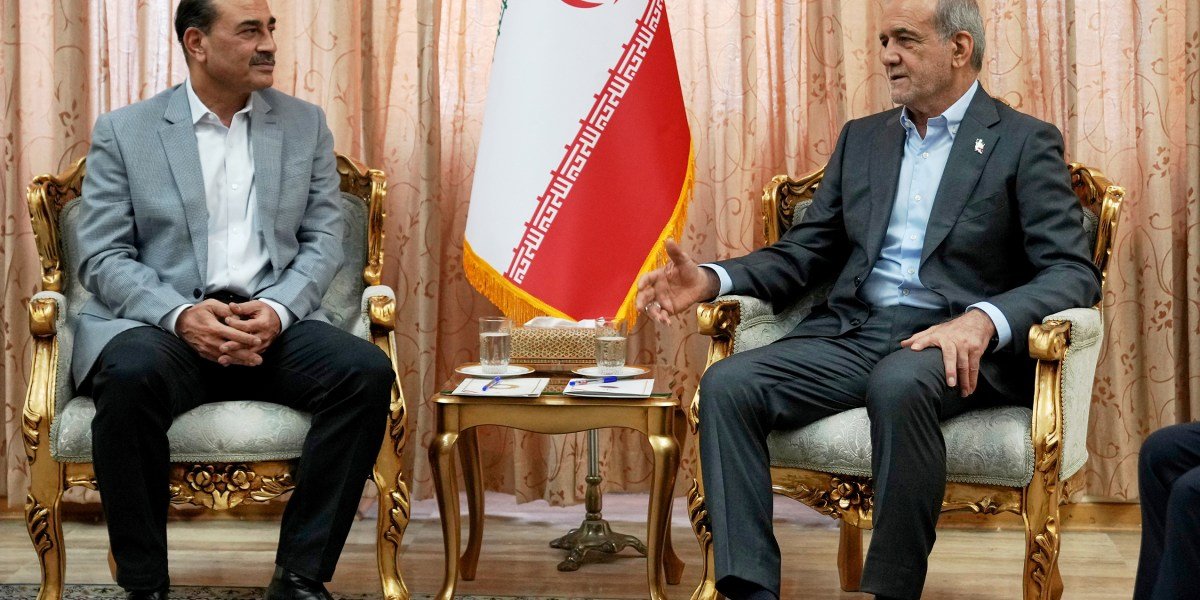
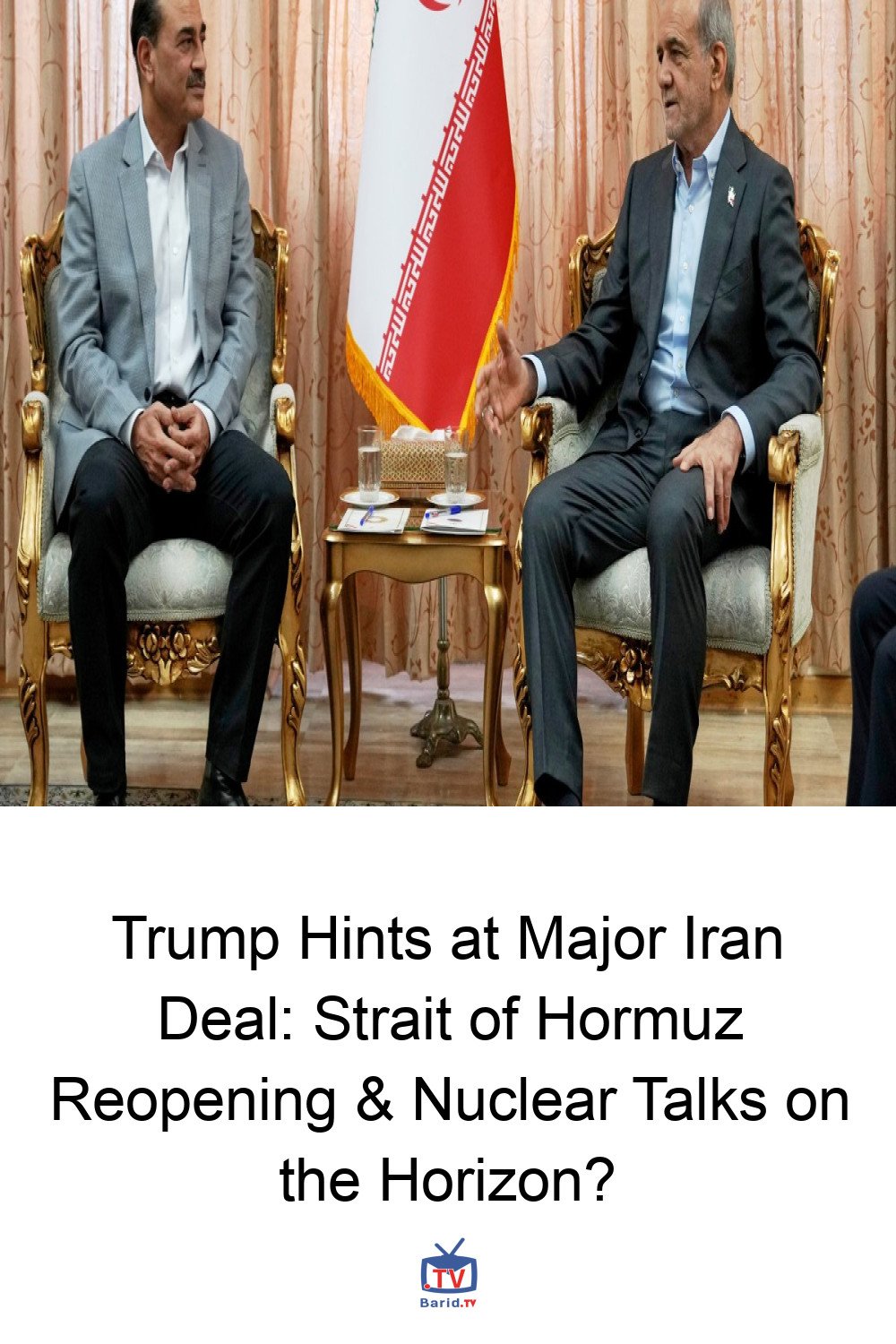
Pakistan’s army chief, Asim Munir, met with Araghchi, President Masoud Pezeshkian, and other senior Iranian officials during his Tehran visit, continuing Islamabad’s efforts to facilitate a second round of direct negotiations. The potential involvement of Brig. Gen. Ahmad Vahidi, head of Iran’s paramilitary Revolutionary Guard and a key architect of Iran’s tough negotiating stance, remains a point of interest.
For more details, visit our website.
Source: Link