
Smartphone enthusiasts and potential upgraders, brace yourselves. The era of steadily increasing phone prices is upon us, and according to Carl Pei, CEO and co-founder of Nothing, the trend shows no signs of slowing down. A critical shortage in RAM, a fundamental component of modern smartphones, is driving costs skyward, threatening to reshape the consumer tech landscape and diminish the allure of holiday sales.
The Rising Cost of Memory: A Looming Crisis
The global memory shortage, a topic that has been simmering in industry discussions, is now boiling over into consumer prices. RAM, or Random Access Memory, is no longer just another component; it has become the most expensive part of a smartphone, surpassing even the processor and display. Pei revealed a startling statistic: RAM can now account for over 50 percent of a new phone’s total hardware cost.
Nothing’s Experience: A Stark Warning
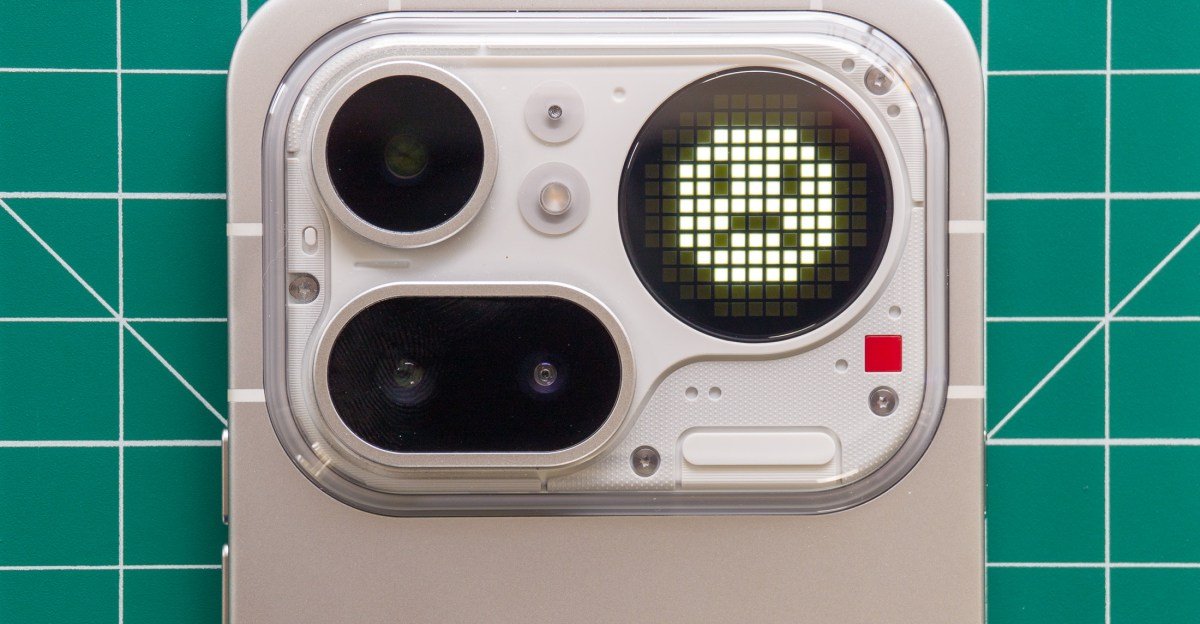
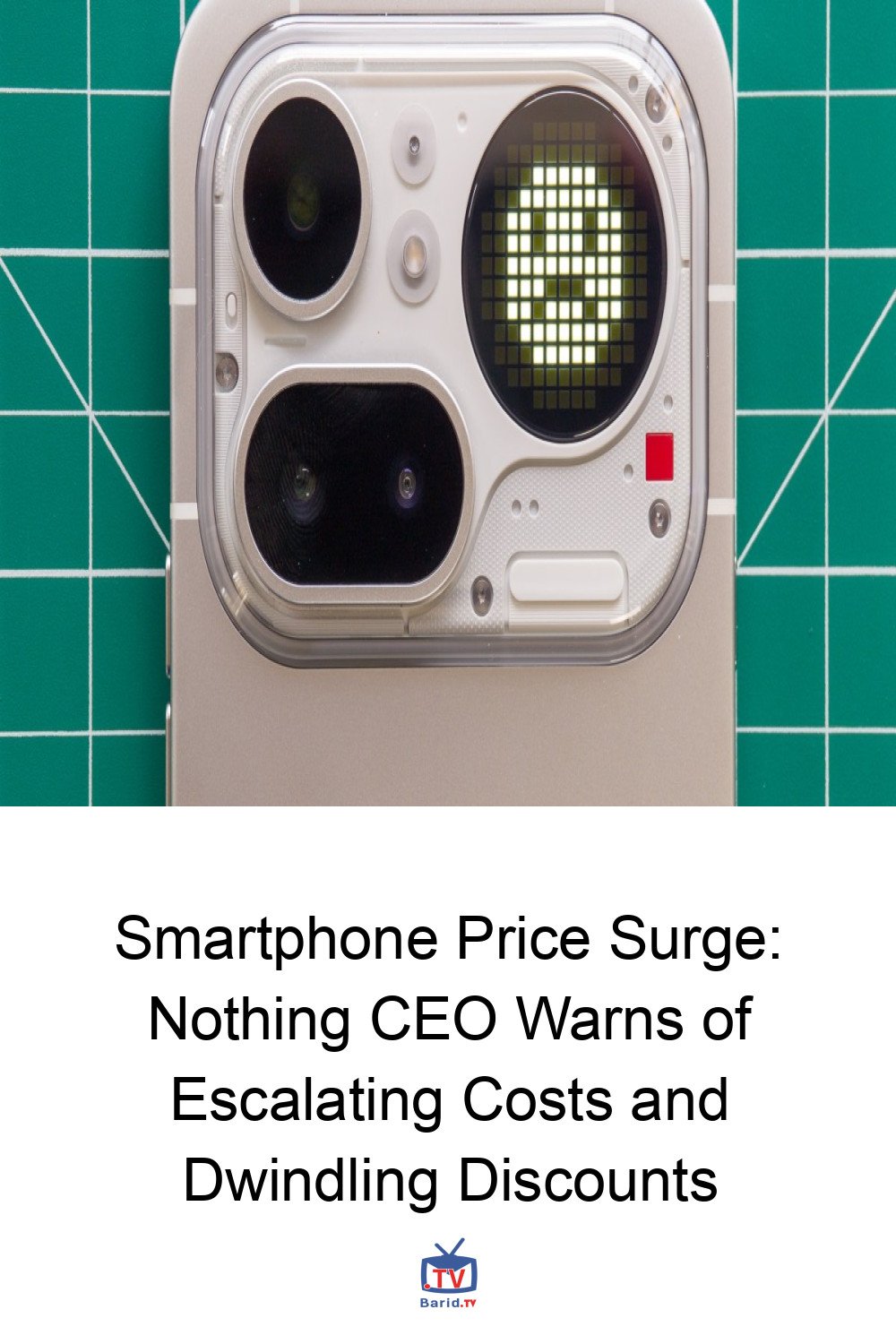
Nothing, a company known for its innovative approach to consumer tech, has already felt the sharp sting of this escalating crisis. Pei shared a concerning anecdote regarding their mid-range Phone 4A: “For Phone 4A, memory costs doubled between when we decided to build the device and when it launched. They’ve doubled again since.” This dramatic increase directly impacts the final price tag, pushing devices higher than anticipated.
This isn’t an isolated incident. Pei’s warning echoes sentiments heard earlier at MWC, and the ripple effect is already being felt across the industry. Major players like Samsung and Google are also expected to adjust their pricing strategies in response to these higher memory expenses, signaling a broader market shift.
The End of Generous Discounts?
For many consumers, holiday sales and promotional periods are prime opportunities to snag a new device at a reduced price. However, Pei delivers a sobering forecast for the upcoming shopping season. “This year’s sale season won’t have the discounts people are used to,” he stated, suggesting that the days of deep price cuts might be temporarily on hold as manufacturers grapple with elevated production costs.
The traditional advice to “wait for a deal” might no longer hold true. In a market constrained by shortages, memory is allocated, not simply bought in bulk at a favorable price. This means manufacturers are paying current, higher rates, and those costs inevitably trickle down to the consumer.
What Does This Mean for Consumers?
If you’ve been contemplating a phone upgrade, Carl Pei’s advice is unequivocal: “The best time was yesterday. The next best time is now.” This isn’t a marketing ploy but a pragmatic assessment of a volatile market. With prices projected to continue their ascent into next year, and new models already launching at significantly higher price points (up to $100 more than predecessors, and ₹7,000 or more for phones above ₹30K in India since February), delaying a purchase might prove more costly in the long run.
The smartphone market is undergoing a significant transformation driven by fundamental supply chain economics. Consumers should adjust their expectations for pricing and promotional offers, understanding that the cost of the essential components within their devices is dictating a new reality.
For more details, visit our website.
Source: Link