
Bill Ackman’s Grand Overture: Orchestrating a Modern Berkshire Hathaway with Universal Music
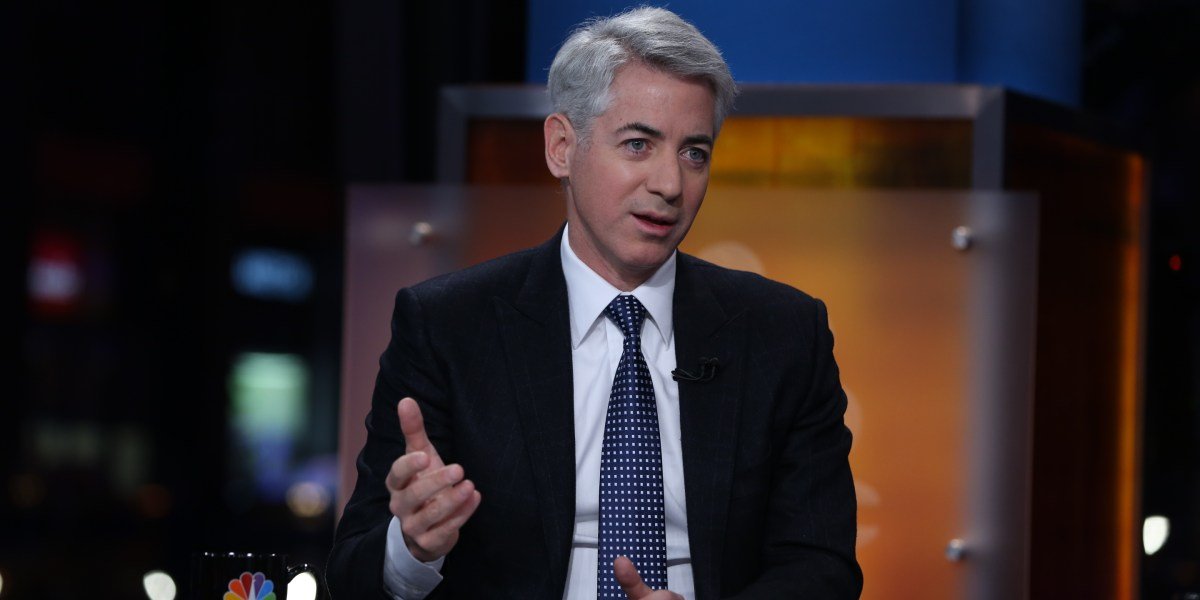
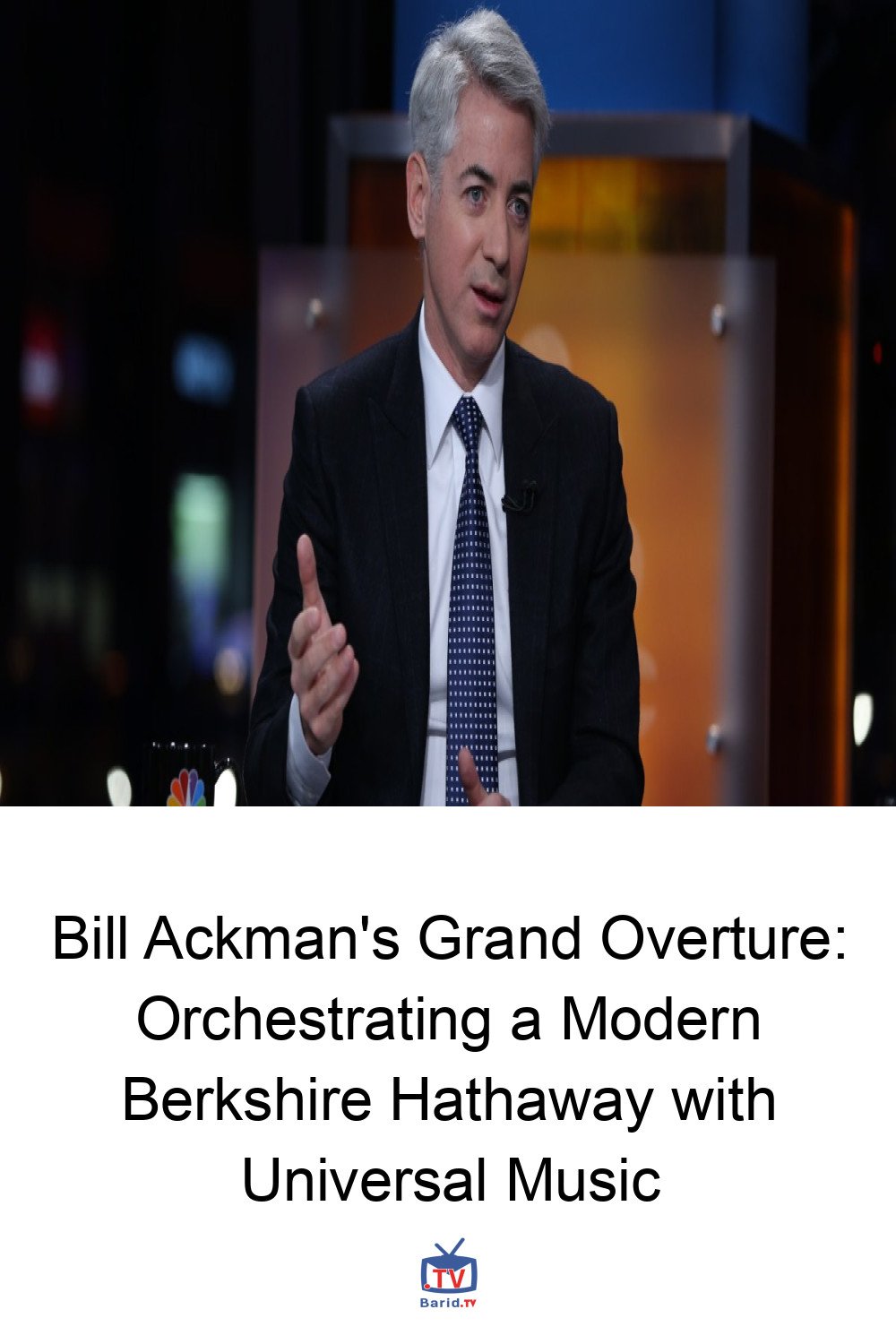
Billionaire investor Bill Ackman, through his hedge fund Pershing Square Capital, is making a monumental play for Universal Music Group (UMG), the undisputed titan of the music industry. Representing an unparalleled roster of artists from Taylor Swift and Bad Bunny to Bob Dylan and The Beatles, UMG is now at the heart of Ackman’s audacious $64 billion strategy, a move he openly positions as his latest stride towards becoming a modern-day Warren Buffett.
The $64 Billion Symphony: A Play for Permanent Capital
Announced this Tuesday, the ambitious deal involves merging UMG with Ackman’s Pershing Square SPARC Holdings. This joint entity is slated for a New York Stock Exchange listing by year-end, a pivotal step in Ackman’s long-held ambition to take Pershing Square public in the U.S. Pershing currently holds a 4.6% stake in UMG, but this transaction aims to solidify a much deeper integration.
Ackman’s rationale is clear: despite UMG’s stellar management and world-class artist portfolio, its stock price has “languished” due to factors external to its core music business. He believes this merger will address these issues, unlocking significant value. At its core, this maneuver is about securing “permanent capital”—a cornerstone of Warren Buffett’s legendary investing playbook. Unlike traditional hedge funds, where investors can withdraw capital quarterly or annually, a closed-end fund structure, achieved through this IPO and joint listing, means capital cannot be directly revoked. Investors must instead sell their shares on the open market, providing Pershing with a stable, long-term funding base for its investments.
Echoes of Buffett: Greed, Fear, and Value
A self-proclaimed “Buffett devotee,” Ackman appears to be channeling the Oracle of Omaha’s most famous dictum: “Be greedy when others are fearful and fearful when others are greedy.” Prior to the announcement, UMG’s stock on the Euronext Amsterdam exchange had dipped by approximately 22% year-to-date, presenting what Ackman likely viewed as a compelling buying opportunity. Following the news, the stock saw an immediate uptick, trading up by about 2 euros ($2.32).
Pershing Square’s pitch detailed UMG’s perceived weaknesses: delayed U.S. listing, underutilized balance sheet, and suboptimal investor relations. These, Ackman contends, contribute to the company’s “underperformance.” The parallel to Buffett’s historic 1988 acquisition of Coca-Cola is striking. Buffett aggressively bought into Coca-Cola after the 1987 Black Monday crash, recognizing its unmatched brand moat and pricing power despite market pessimism. Similarly, Ackman is betting on UMG’s irreplaceable position in the global music industry, confident it will handsomely reward patient capital.
This isn’t Ackman’s first foray into capitalizing on undervalued assets. Just last month, he urged investors on X (formerly Twitter) to look past geopolitical tensions and invest in Fannie Mae and Freddie Mac. His advice proved prescient, with both stocks surging significantly the following day, a testament to his influence and conviction.
A Track Record of Bold Moves (and Missteps)
While Ackman’s vision is grand, its success hinges on investor confidence—a factor he has struggled with previously. His 2024 attempt to launch a $25 billion IPO for Pershing Square faced significant headwinds and ultimately failed. He had initially downplayed IPO risks and suggested the fund could achieve a “sustained premium” to its net asset value, comments that Pershing later had to “disclaim.” The fundraising target was dramatically slashed multiple times before the IPO was shelved entirely.
This history underscores the high stakes of the UMG deal. Ackman’s latest attempt to secure permanent capital and solidify his legacy as a Buffett-esque investor will require meticulous execution and a renewed ability to inspire faith among both UMG’s existing shareholders and potential new investors in the merged entity.
The music industry is dynamic, and the financial markets are unforgiving. Bill Ackman’s Universal Music Group play is not just an investment; it’s a carefully orchestrated bid to redefine his fund and his place among the investing legends.
For more details, visit our website.
Source: Link