
In an era dominated by corporate tech giants and planned obsolescence, a vibrant counter-culture is emerging: the salvaged cyberdeck movement. Spearheaded by innovators like Annike Tan (aka @UbeBoobey) and her now-famous thrifted mermaid cyberdeck, this trend sees enthusiasts reclaiming ownership of their digital lives by building unique, functional computers from recycled and repurposed parts. It’s a heartwarming return to hands-on technology, often characterized by a maximalist aesthetic, bright 90s colors, and ingenious enclosures like mint tins.
Reclaiming Digital Autonomy: The Cyberdeck Revolution
The allure of the cyberdeck extends far beyond its quirky exterior. It represents a powerful pushback against the pervasive practices of “Big Tech” – companies that increasingly force users into subscription models for media they once owned, while simultaneously tracking every digital footprint. This growing discontent has fueled a desire among many to build their own devices, often going a step further by actively avoiding the purchase of new components. For over a decade, portable Raspberry Pi devices have empowered makers to void warranties and experiment, but years of soldered batteries, glued cases, and engineered obsolescence have solidified the resolve of a community determined to assert true ownership over their technology.
If you’re inspired to join this movement and scavenge parts for your own personalized machine, here’s a guide to some exquisite builds and essential components.
Crafting Your Own Cybernetic Companion
The Visual Interface: Salvaging Screens
You might be surrounded by defunct laptops with perfectly functional screens, tempting you to repurpose their glowing displays. While laptop screens are delicate and lack internal HDMI ports, don’t be deterred! The DIY community has pioneered various monitor builds, demonstrating how the right adapter can breathe new life into these old panels. Alternatively, for a truly retro and robust experience, consider following @tankgirltapes’ lead by integrating a CRT monitor, often housed within a repurposed cooler – a choice not for the faint of arm, but undeniably cool.
Auditory Experience: Integrated Speakers
Finding a case that comes with its own speakers is a delightful bonus. Eli Jorgensen, for instance, gave a cheap record player a vibrant new purpose, creating one of the most colorful cyberdecks to date, complete with its original audio output. Keep an eye out for such opportunities when scouting for enclosures.
Input Methods: Keyboards and Beyond
Keyboards are ubiquitous, readily available in secondhand stores. While portable options are ideal for size, ensure you plan for charging, and be mindful of potential Bluetooth connection delays. A built-in trackpad can eliminate the need for an external mouse. Laptop keyboards can also be reused with the right hardware, such as a USB controller by Frank Adams. For those seeking truly unique interaction, Matthew Dockrey (aka Attoparsec) transformed a toy’s punch card interface and 11 built-in buttons into a primary input, proving that practicality can sometimes take a backseat to pure creative vision. As he admits, “You really have to want to use this thing.”
Powering Your Portable Future
A portable cyberdeck demands a reliable power source. While lithium batteries often lack standardization, creative solutions abound. Drill batteries, known for their consistent form factors across manufacturers, can offer up to two hours of power, as demonstrated by @Da-Ti’s cosplay deck, despite their weight. Old USB power packs are another simple starting point, provided they offer sufficient juice and don’t unexpectedly shut down. Claudia (aka @bossbratbimbo) ingeniously repurposed one for her stunning mermaid shell deck, which even runs a custom OS optimized for a $20 Raspberry Pi 3. For extended adventures, a Pelican case radio deck showcases a thoughtful addition: a solar panel. However, be cautious with salvaged LiPo cells, as Alex’s build warns: “Don’t type too hard or the solder joints on the back of the keyboard might stab the cells.”
The Brain of the Beast: Computing Core
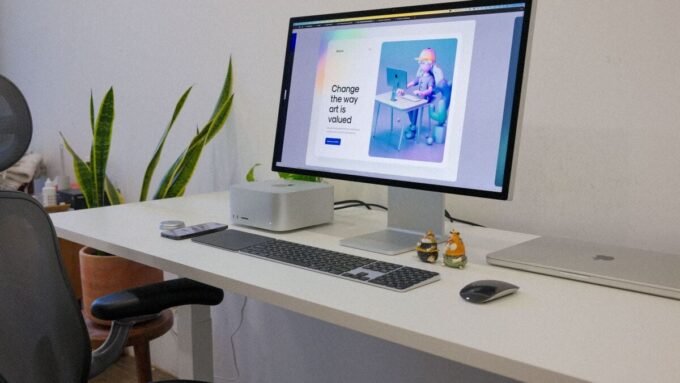
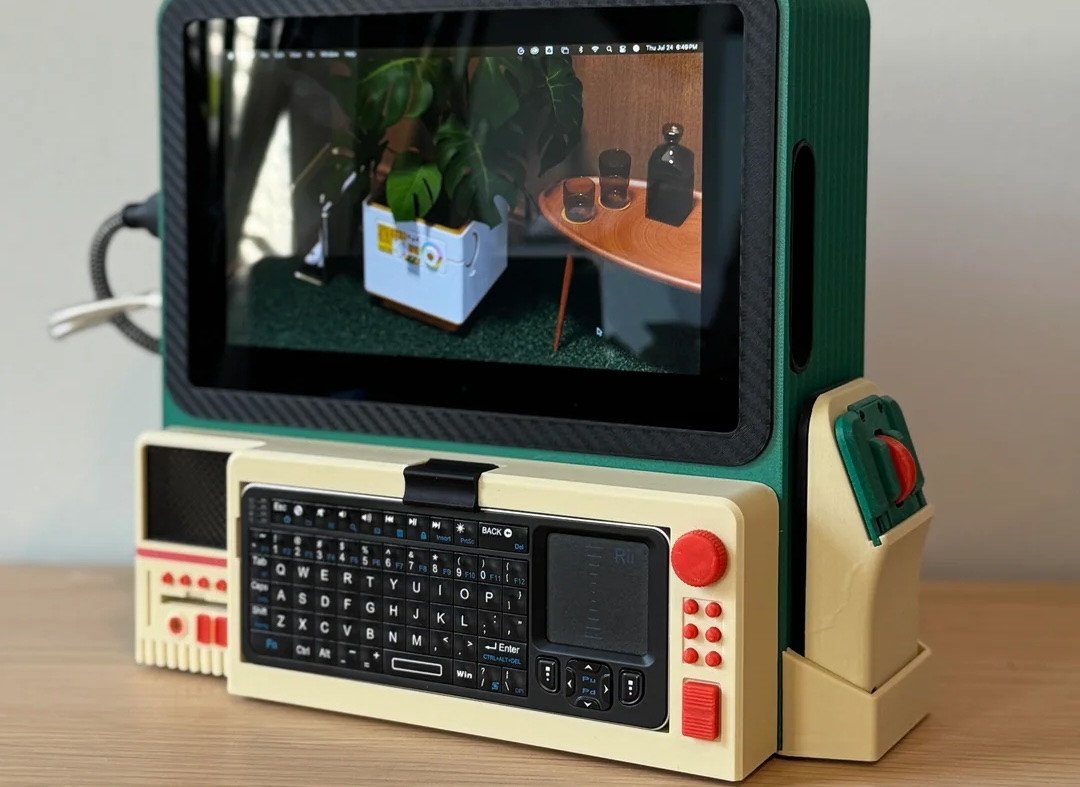
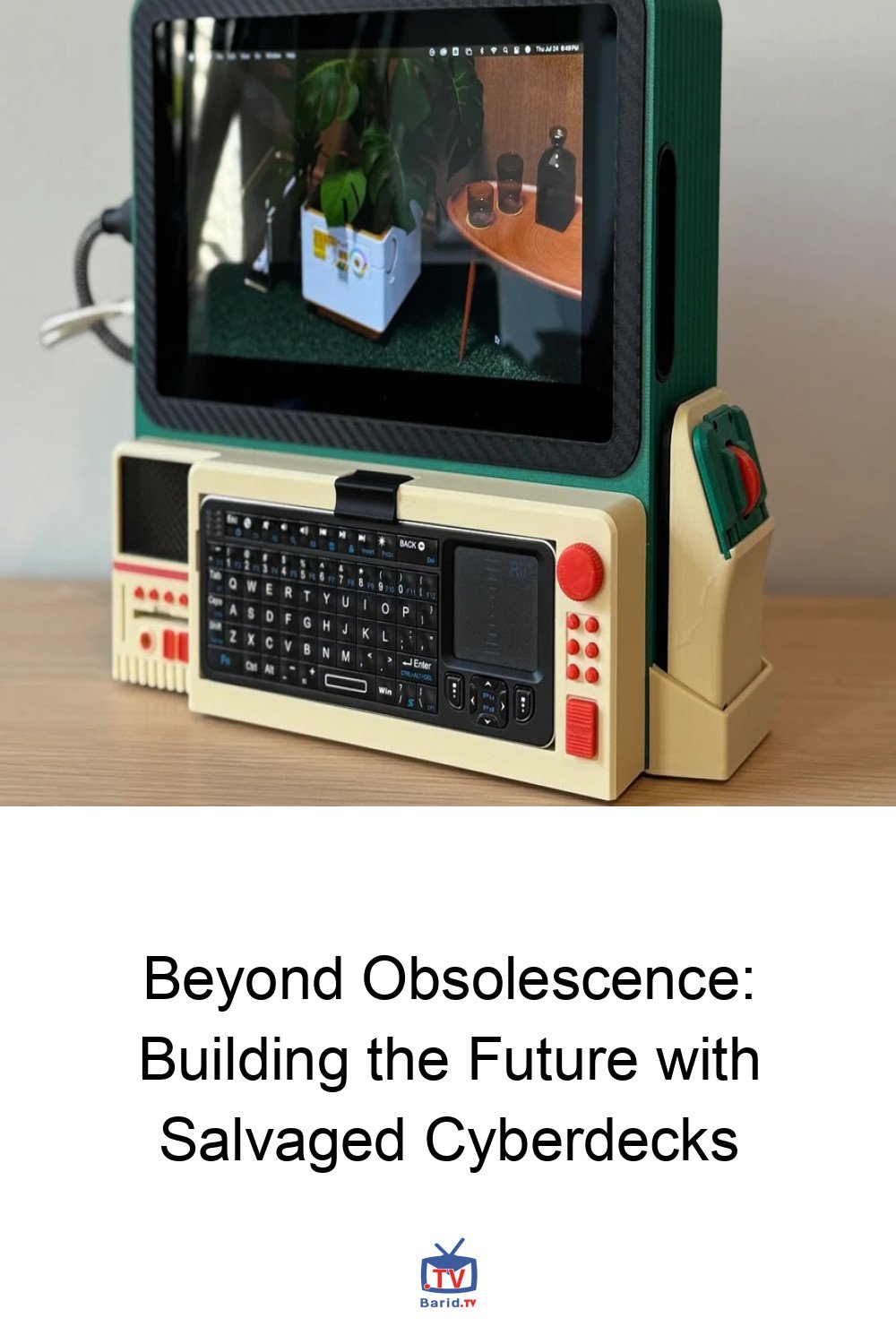
Scavenging the central processing unit is arguably the most challenging aspect, as most “smart” device mainboards lack cross-compatibility. However, if a new Raspberry Pi is out of reach, ingenious workarounds exist. Will Haude of 3DBrooklyn, a design studio renowned for custom products, created a slick, retro-futuristic cyberdeck enclosure featuring an old Mac Mini and a touchscreen display. This design, which evokes classic Mac aesthetics, positions the display forward and ports to the left, incorporating a printed button for power access and even accommodating an additional display. Haude has generously shared the files on Makerworld, enabling others to replicate this sophisticated look.
Embrace the Salvaged Future
The salvaged cyberdeck movement is more than just a hobby; it’s a statement. It’s about empowerment, sustainability, and a playful defiance against the disposable nature of modern technology. By embracing recycled parts and innovative design, these makers are not just building computers; they’re building a future where technology is truly owned, understood, and personalized.
For more details, visit our website.
Source: Link