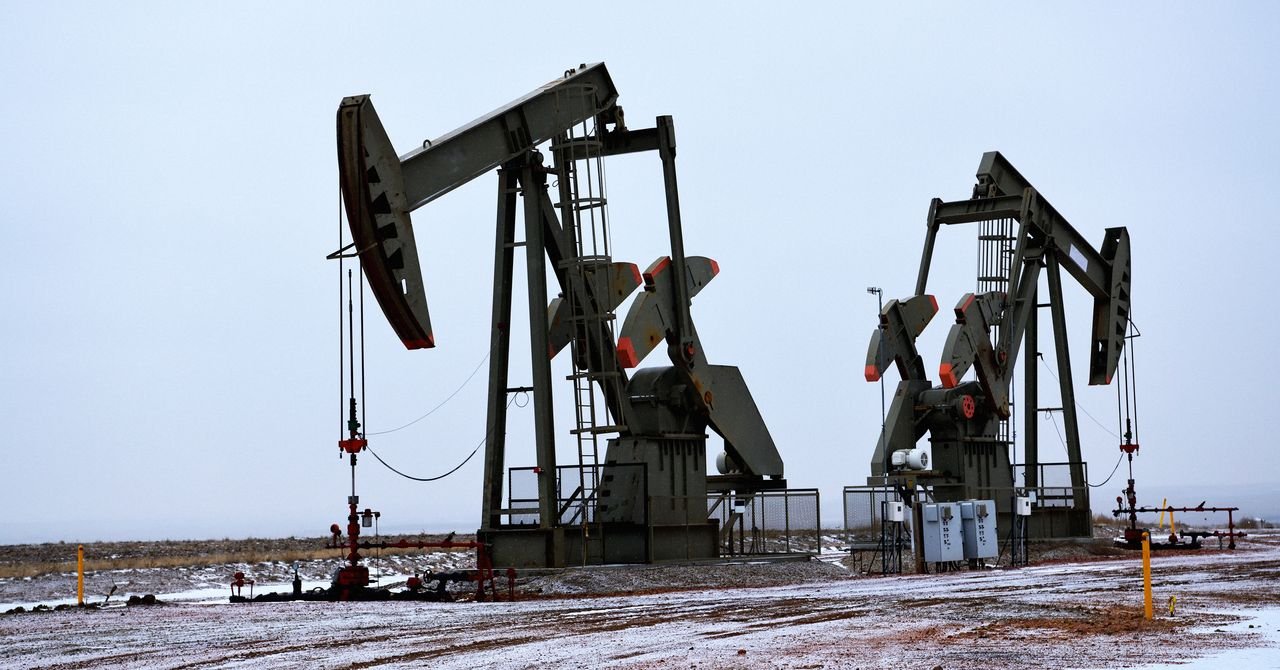

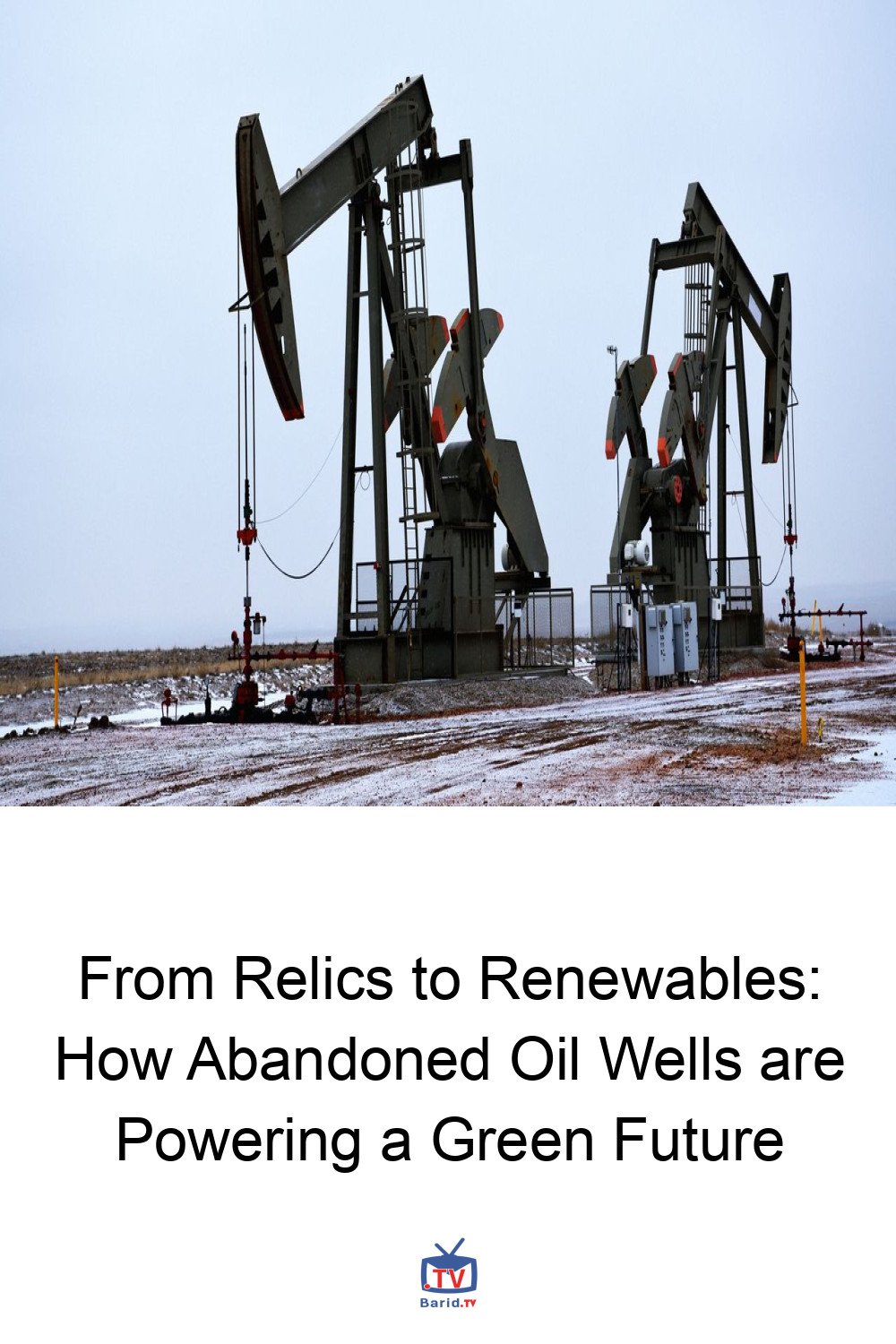
Across the United States, millions of inactive oil and gas wells stand as silent monuments to bygone eras of fossil fuel extraction. Far from benign, these forgotten relics often pollute groundwater and release potent methane, posing significant environmental and financial liabilities. However, a groundbreaking vision is emerging: transforming these abandoned wells into vital sources of clean, reliable geothermal energy.
Turning Liabilities into Assets: The Geothermal Promise
The sheer scale of the problem is staggering. With countless ownerless wells scattered nationwide, the cost and time required for proper plugging and remediation are immense – Oklahoma alone faces a 235-year, multi-hundred-million-dollar challenge for its 20,000 identified orphan wells. Yet, within this challenge lies an extraordinary opportunity.
Policymakers from both sides of the political spectrum are recognizing the inherent advantages of repurposing these sites. The most obvious benefit? The holes are already drilled. Furthermore, regions with a history of extensive oil and gas development possess a wealth of subsurface data – geological insights crucial for geothermal firms to strategically develop their carbon-free systems. This innovative concept, while still in its nascent stages, is rapidly gaining traction, fueled by scientific advancements and entrepreneurial spirit.
States Spearheading the Transformation
Momentum is building across various states as they dismantle regulatory barriers and launch comprehensive studies to pave the way for this energy revolution:
Legislative Leaps
- Oklahoma: The state Senate is actively considering a bill to establish a framework for companies to acquire and convert abandoned wells for geothermal energy or underground storage. This “Well Repurposing Act,” which has already cleared the House, mirrors a successful initiative in New Mexico, addressing its 2,000+ orphan wells. Dave Tragethon of the Well Done Foundation highlights the bill’s significance: “It recognizes that these wells are a liability, and that there may be a way to turn them into some sort of revenue generation and give them value.”
- Alabama: Legislators recently passed a law enabling the state to regulate and approve the conversion of oil and gas wells for alternative energy resources like geothermal.
- North Dakota: A bill passed last year mandates a legislative council study into the feasibility of utilizing nonproductive wells for geothermal power generation.
- Colorado: State agencies have initiated a technical study to assess the potential of repurposing old wells for both geothermal development and carbon capture and sequestration.
These bipartisan efforts underscore a growing consensus on the critical role of geothermal energy in meeting escalating national energy demands while simultaneously curbing planet-warming emissions from electricity and heating.
The Complexities of Conversion: A Path Forward
Geothermal systems operate by circulating fluids deep underground to harness natural heat, which can then generate electricity or directly warm buildings. The industry is experiencing a surge, driven by breakthroughs in drilling techniques and technologies that expand the viability of geothermal access.
Intriguingly, many of these advancements stem directly from the oil and gas sector, whose skilled engineers, geoscientists, and substantial funding have been instrumental in launching new geothermal startups. However, this expertise is predominantly channeled into new projects, rather than the intricate task of retrofitting legacy wells.
Emily Pope, a geologist and senior fellow at the Center for Climate and Energy Solutions, acknowledges the immense potential but cautions, “Oil and gas well conversion presents an enormous opportunity, but it’s pretty far away technologically from being a reality.” She emphasizes the “immense hurdles” that necessitate significant research and development.
Key Challenges:
- Temperature Limitations: Oil and gas wells typically access relatively low to medium underground temperatures. High heat, however, is paramount for efficient geothermal projects, especially those generating electricity.
- Fluid Volume Discrepancies: Fossil fuel wells generally yield smaller volumes of liquid and gas than what geothermal systems require to power turbines or transfer heat effectively.
- Contamination Risks: Geothermal operators must implement stringent measures to prevent undesirable subsurface elements from contaminating the working fluids.
Despite these complexities, the vision of transforming environmental burdens into sustainable energy assets remains a powerful motivator. Continued investment in R&D, coupled with supportive legislative frameworks, will be crucial in unlocking the full potential of these forgotten wells, paving the way for a cleaner, more energy-secure future.
For more details, visit our website.
Source: Link