
In a world brimming with diet fads and conflicting nutritional advice, the simple act of eating well can feel overwhelmingly complex. Yet, the truth remains: a healthy diet is a cornerstone of well-being for everyone, regardless of weight goals or lifestyle. It’s about fueling your body for vitality, energy, and long-term health. This guide, crafted with a journalist’s eye for clarity and practicality, cuts through the noise to offer actionable steps for truly sustainable healthy eating.
Dispelling the Myth: There’s No One-Size-Fits-All Diet
Before embarking on any dietary shift, it’s crucial to understand a fundamental truth: there is no single ‘perfect’ diet. Whether it’s the latest keto craze, a friend’s miracle plan, or a highly-ranked list, rigid dietary doctrines often fall short in the long run. Research consistently shows that most weight-loss diets yield similar results when tested against each other. For those simply seeking better health, the pathways are even more diverse. The key lies not in adherence to a specific regimen, but in embracing common principles that underpin nearly all successful healthy eating approaches. Remember, building new habits takes time and patience – pick one starting point and build from there.
The Cornerstones of a Healthy Plate
1. Embrace the Power of Produce: Fruits and Vegetables
If there’s one change with the most profound impact, it’s this: eat more fruits and vegetables, and a wider variety of them. Most of us fall short on our daily intake, sticking to a limited rotation. These natural powerhouses are packed with essential fiber (soluble, insoluble, and prebiotic types), vital vitamins (like A and C), crucial minerals (such as potassium), and an abundance of phytonutrients. These chemical compounds, while not vitamins, offer significant health benefits, with examples like beta-carotene being just one of over 40 carotenes available in our diets.
How to Make it Happen:
- Start Small: Aim to add a fruit or vegetable to at least one meal daily. Once that’s a habit, expand to more.
- Convenience is Key: Don’t shy away from frozen produce; it’s often just as, if not more, nutritious than fresh.
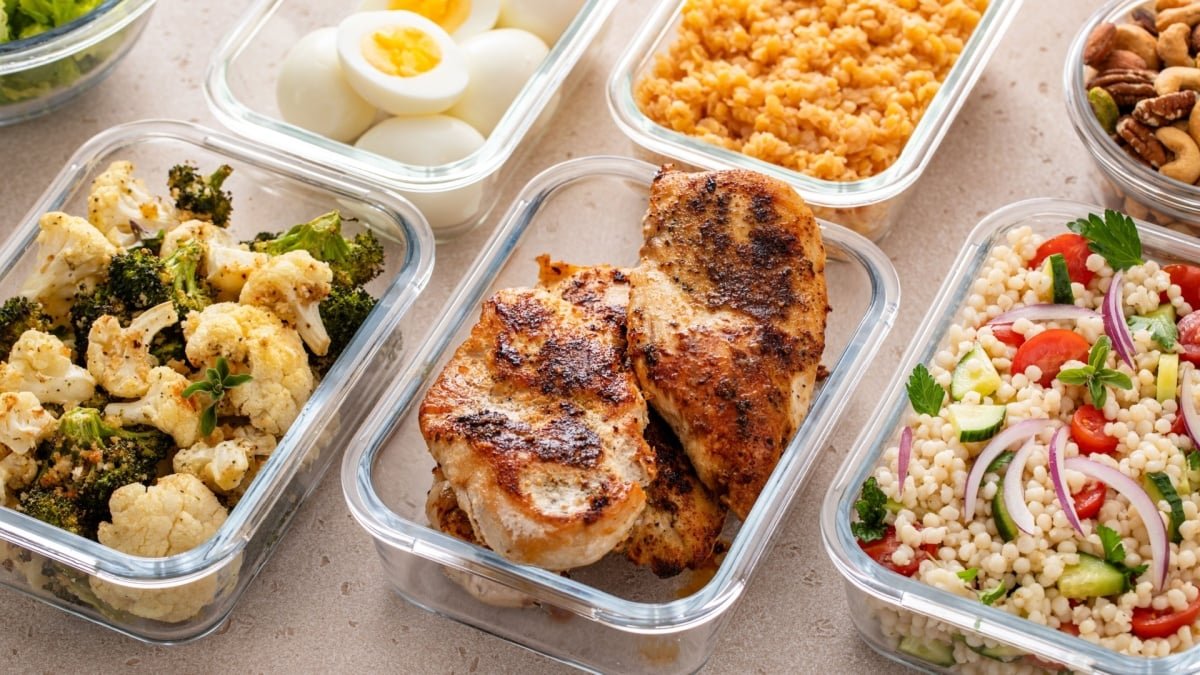
- Simple Prep: Toss frozen spinach into sauces, or roast a medley of fresh or frozen vegetables on a sheet pan with your favorite seasonings for an effortless side or meal component.
2. Prioritize Protein: Fueling Your Body Right
While often overlooked, adequate protein intake is vital for satiety, muscle maintenance, and overall bodily function. Incorporating lean proteins like fish, chicken, and tofu forms an excellent foundation for any diet. The inclusion of fattier options like red meat can be tailored to individual health goals and medical advice. For those aiming for weight loss, active individuals, or older adults, protein needs are often higher than the average person’s. Debunking common myths, the average person often consumes barely enough protein, and many groups could benefit from more than the minimum recommended daily allowance.
How to Make it Happen:
- Read Labels: Become familiar with the protein content of your foods.
- Integrate: Ensure each meal includes a good source of protein to keep you feeling full and satisfied.
Navigating Modern Diets: Reducing Sugar and Processed Foods
Completely eliminating sugar and processed foods from your diet is often unrealistic and unnecessary. After all, cooking itself is a form of processing! The goal isn’t perfection, but mindful reduction and smart substitutions. Instead of asking what you *can’t* eat, ask what you *could* be eating instead.
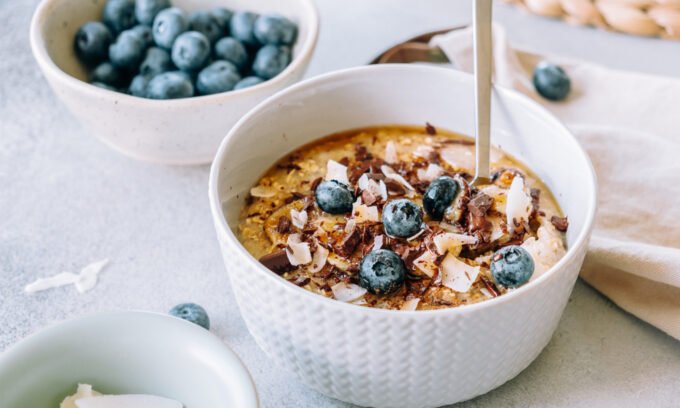
- Breakfast Swaps: Replace sugary boxed cereals with homemade oatmeal or overnight oats.
- Hydration Habits: Swap sugary sodas for water or sparkling seltzer.
- Curbing Cravings: Make your main meals more substantial with extra protein and vegetables to reduce the likelihood of unhealthy snack cravings later in the day.
The Secret Sauce: Making Healthy Choices Effortless
The intention to eat healthy is easy; the execution, especially when busy or exhausted, is where many stumble. The key to long-term success lies in proactive planning and creating an environment that supports your goals.
- Strategic Placement: Keep fresh fruits and healthy snacks visible and easily accessible, while tucking away less healthy options.
- Weekend Prep: Dedicate a small amount of time on the weekend to chop vegetables, prepare grains, or portion out proteins for quick meals during the week.
Embracing a healthier diet doesn’t require drastic overhauls or deprivation. It’s a journey of small, consistent changes, focusing on nutrient-dense foods, mindful choices, and making healthy living an easy, natural part of your daily routine. Start today, and watch your vitality flourish.
For more details, visit our website.
Source: Link