

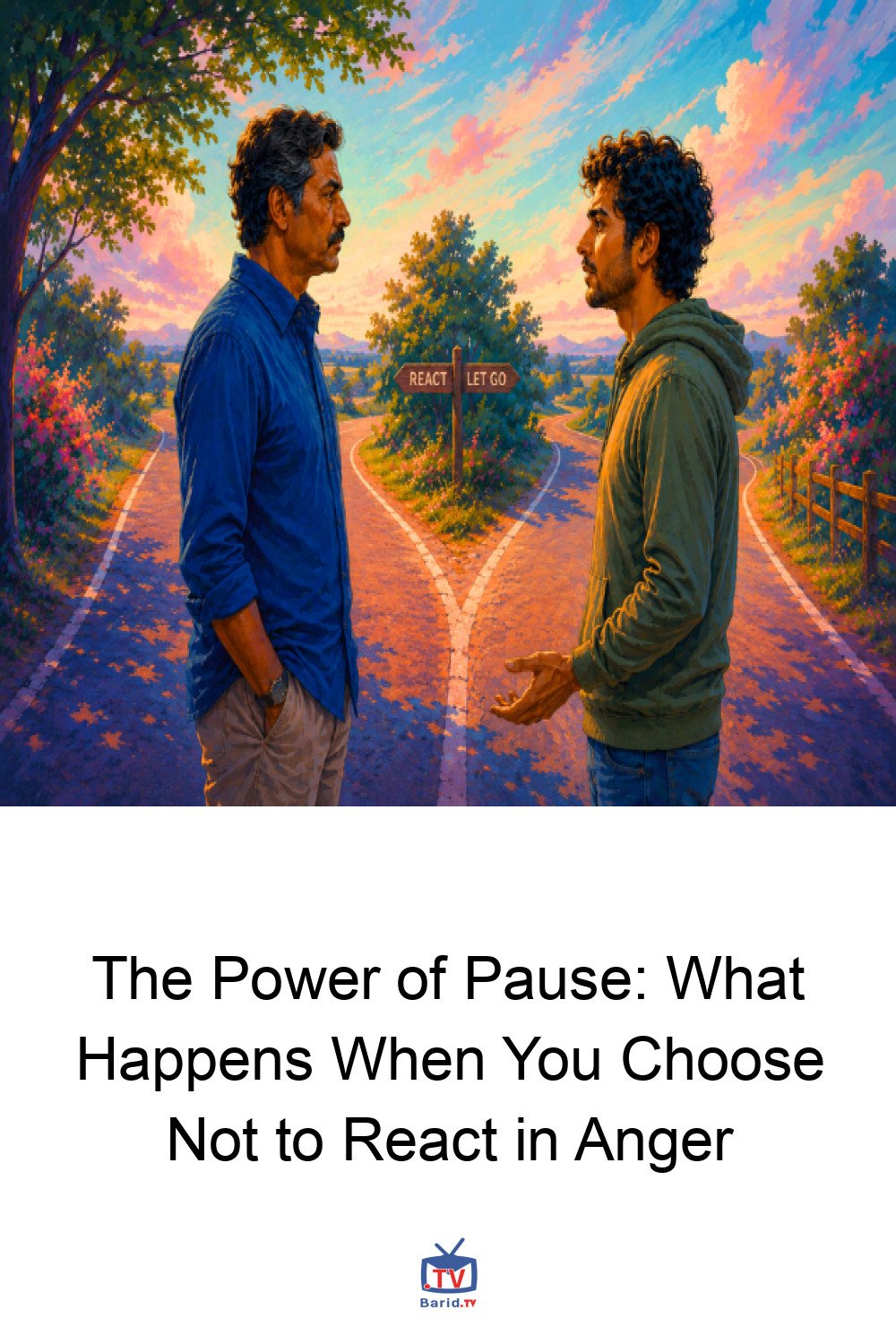
“Between stimulus and response there is a space. In that space is our power to choose our response.” ~Viktor E. Frankl
Life on the road can be unpredictable, a microcosm of the daily challenges we face. A few months ago, my family and I found ourselves in a situation that perfectly encapsulated this truth, offering a profound lesson in the power of conscious choice over impulsive reaction.
A Moment of Impact on a Crowded Highway
We were inching along a congested highway, the air thick with the usual impatience of slow-moving traffic. Suddenly, a jarring bang shattered the monotony. For a split second, confusion reigned, quickly replaced by the realization that a motorcyclist, attempting to navigate the impossibly narrow gaps between vehicles, had collided with us. His side bar had ripped into our rear tire, sending him sprawling onto the asphalt.
Stepping out, we were all understandably shaken. The motorcyclist, visibly startled, was already picking himself up. My initial, visceral response was a surge of anger. We had already endured over an hour in this gridlock, and now, a damaged tire in the middle of it all. The inconvenience, the perceived carelessness, the sudden disruption—it all coalesced into a potent cocktail of frustration.
The Unexpected Choice: Not to React
Yet, something remarkable happened. I didn’t react. My son, who was driving, felt the tension emanating from the incident. The motorcyclist approached, offered a quick apology, and a meager sum for the damage. Under different circumstances, in a different frame of mind, a heated argument would have been almost inevitable. I might have raised my voice, challenged his recklessness, and demanded full compensation right there on the roadside. Such a scene would have undoubtedly escalated, drawing unwanted attention and amplifying the surrounding chaos, not to mention the internal tension within our own vehicle.
But we chose a different path. We let it go. Our focus immediately shifted to the practical problem at hand. Changing a tire in such dense traffic was simply not feasible; cars were too tightly packed, leaving no safe space to maneuver. A difficult decision was made: we would drive on.
Navigating the Aftermath and Finding Serenity
For nearly two kilometers, we proceeded with extreme caution, the car an unsteady presence on the damaged tire, its rhythmic thud a constant reminder of the recent mishap. Eventually, we located a small roadside tire shop and had the tire replaced. The entire episode cost us almost two hours.
Initially, the residual tension lingered. The incident had compounded our pre-existing irritation from the traffic. However, as we resumed our journey, a subtle but significant shift occurred. The tension began to dissipate. We found ourselves conversing normally again. A spontaneous stop for a delicious lunch further lightened the mood, and almost imperceptibly, we began to genuinely enjoy the remainder of our day.
The Profound Ripple Effect of Non-Reaction
Reflecting later, I pondered how easily that moment could have spiraled into something far more unpleasant. An argument with the motorcyclist, a prolonged dwelling on the anger, replaying the incident endlessly in our minds. None of it would have altered the facts: the tire still needed replacing, the delay was unavoidable. But it would have irrevocably tainted the rest of our day, perhaps even beyond.
Sometimes, the act of not reacting isn’t a deliberate exercise in patience or calm. It’s simply a clear-eyed assessment of what the situation truly demands. In that critical moment, an argument was not what we needed; a solution was. The anger came, as it often does, but crucially, it did not stay. And because it did not take root, it did not extract any further toll from us than the initial inconvenience. That small, conscious difference transformed the entire experience of our day.
This incident served as a powerful reminder that we frequently carry moments far longer than necessary, turning them over and over in our minds, allowing them to dictate our subsequent experiences. But there are times when we can simply let them pass. Not because they are insignificant, but because holding onto them serves no constructive purpose. And when we master this art of letting go, even an ordinary day that briefly veered off course can gracefully find its way back to joy and peace.
For more details, visit our website.
Source: Link