
UAE’s Bold Exit: A New Era for Global Oil Dynamics as Emirates Departs OPEC
The global energy landscape is bracing for a significant shift as the United Arab Emirates (UAE) announces its departure from the Organization of the Petroleum Exporting Countries (OPEC), effective May 1. This unexpected move by OPEC’s third-largest producer behind Saudi Arabia and Iraq marks a pivotal moment, challenging the cartel’s long-standing influence and signaling a new strategic direction for the Gulf nation.
A Decades-Long Alliance Concludes
The UAE’s journey with OPEC began in 1967 through the Emirate of Abu Dhabi, just seven years after the organization’s founding. For nearly six decades, the Emirates has been an influential voice within the group, playing a crucial role in coordinating global oil production. Its sudden exit, however, comes against a backdrop of escalating regional tensions and ambitious national economic goals.
The announcement follows weeks of missile and drone attacks targeting the UAE by fellow OPEC member Iran. Furthermore, Tehran’s actions in the vital Strait of Hormuz have significantly hampered the UAE’s oil export capabilities, directly threatening the economic bedrock of the nation. While not explicitly cited as the sole reason, these geopolitical pressures undoubtedly contributed to the strategic review that led to the decision.
National Interest and Ambitious Production Goals Drive the Split
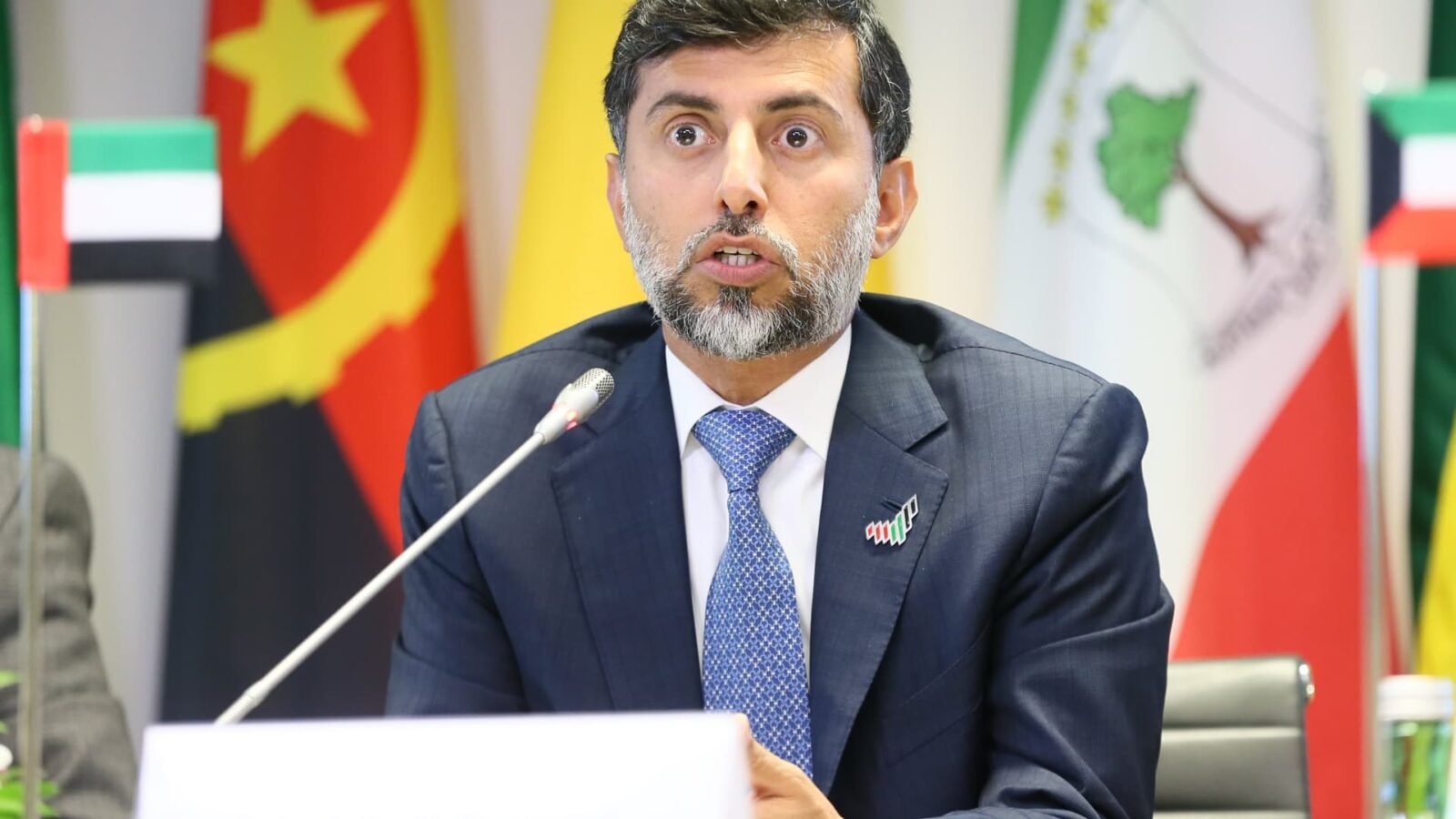
According to the UAE Energy Ministry, the decision to leave OPEC was a result of a comprehensive review of its production policy and capacity, ultimately concluding that the exit was in its national interest. Energy Minister Suhail Al Mazrouei clarified that the timing was chosen to minimize disruption to other producers within OPEC and the broader OPEC+ alliance.
“Our exit at this time is the right time for it, because it will have a minimum impact on the price and it will have a minimum impact on our friends at OPEC and OPEC+,” Al Mazrouei stated.
A key driver behind the UAE’s move is its ambitious target to achieve a 5 million barrels per day (bpd) production capacity by 2027. The departure from OPEC grants the UAE greater autonomy and flexibility to pursue this goal without the constraints of collective production quotas. Al Mazrouei was keen to emphasize that this decision was not a reaction to past production cuts led by Saudi Arabia, expressing “highest respect for the Saudis for leading OPEC” and affirming strong fraternal ties within the group.
Commitment to Stability Amidst Newfound Flexibility
Despite its departure, the UAE Ministry of Energy reaffirmed its commitment to global market stability, pledging continued cooperation with both producers and consumers. The newfound flexibility, the ministry stated, will enable the UAE to respond more dynamically to evolving market dynamics.
The UAE’s exit from OPEC is more than just a change in membership; it signifies a strategic recalibration for a nation determined to assert greater control over its energy future. As the Emirates charts its independent course, the global oil market will closely watch how this move impacts not only OPEC’s cohesion but also the broader dynamics of supply, demand, and geopolitical influence in the Middle East.
For more details, visit our website.
Source: Link