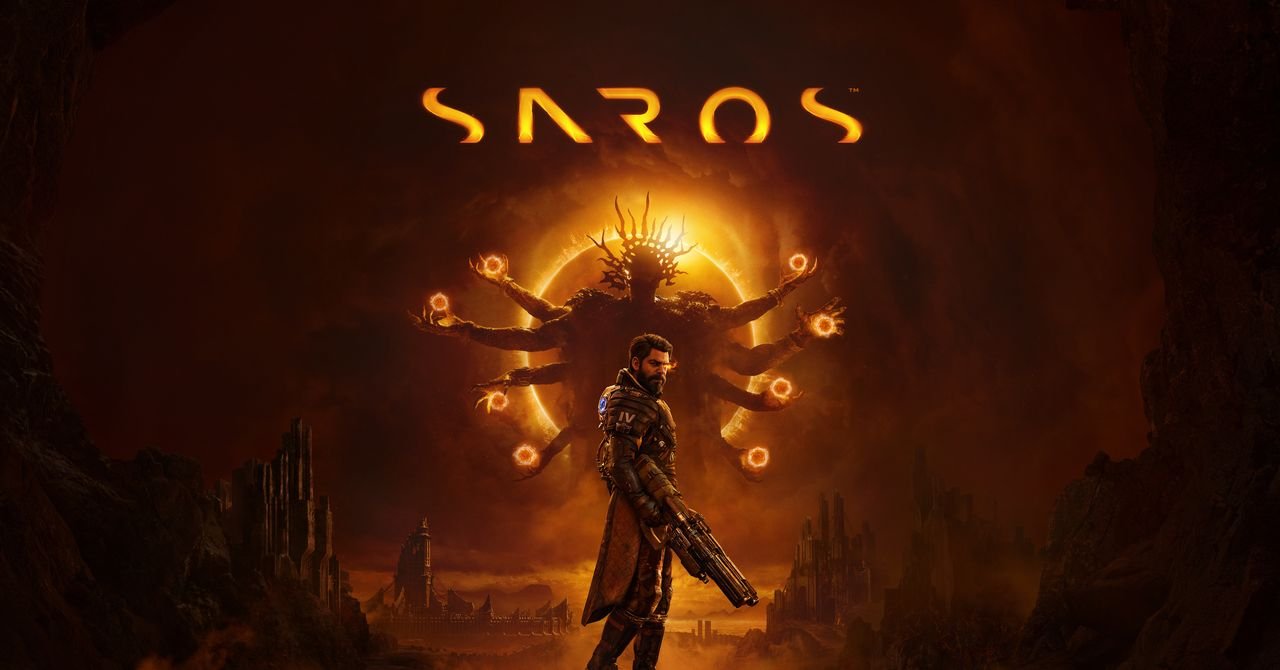

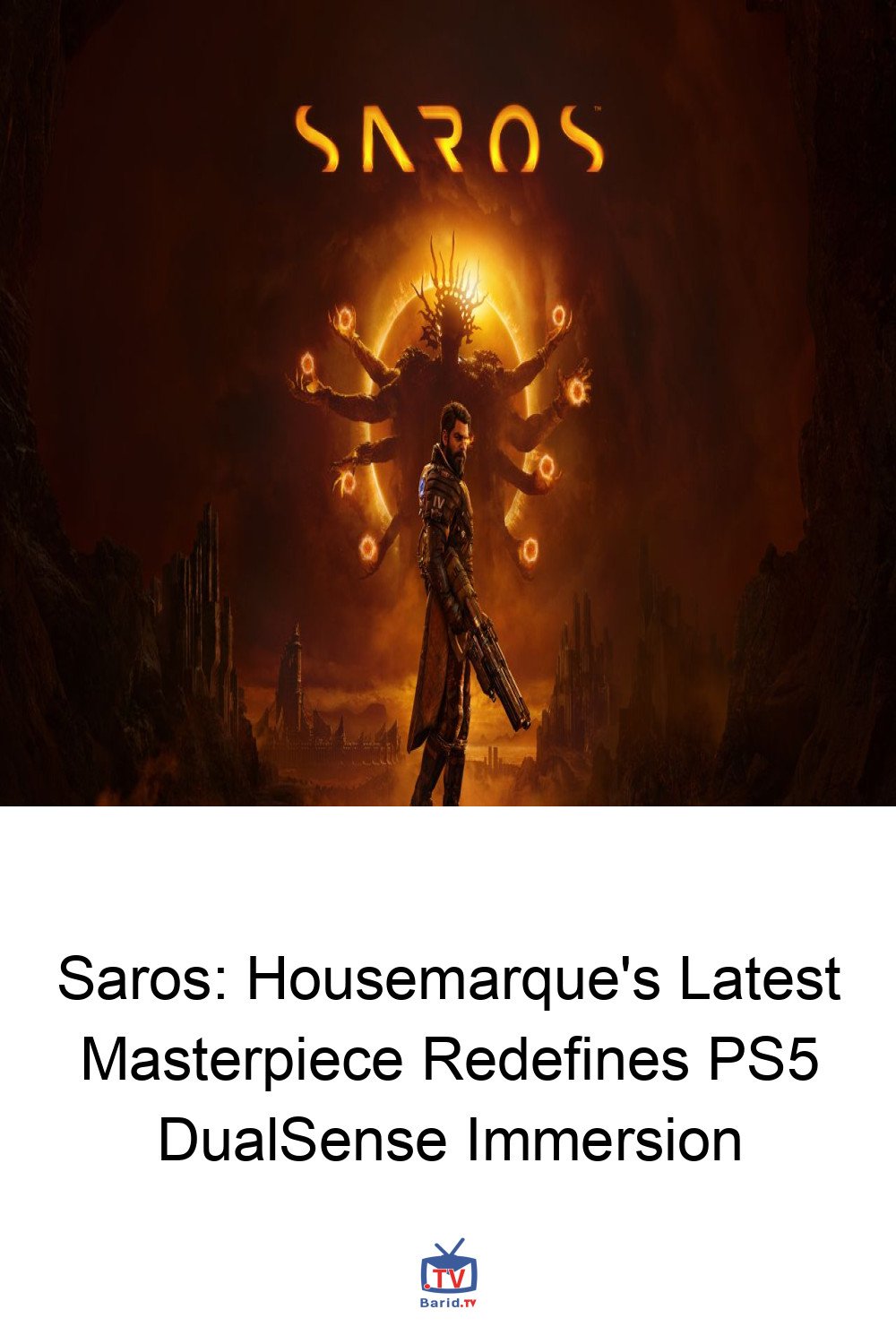
From the very first moments of Housemarque’s upcoming sci-fi roguelike, Saros
, it’s clear this isn’t just another game—it’s a sensory experience. As introductory text unfurls on screen, spelling out crucial world-building lore, it’s not the words themselves that captivate, but the subtle, sharp haptic buzz resonating from the PlayStation 5’s DualSense controller. Each letter’s arrival is met with a distinct, clicky-clacky vibration, immediately signaling
Saros’s core philosophy: this is a story you don’t just see and hear, but profoundly feel.
The Tactile Revolution: DualSense’s Unrivaled Impact
Since its debut, the PlayStation 5’s DualSense controller has set a new benchmark for tactile immersion in gaming. Its advanced haptic feedback system allows developers to craft nuanced vibrations, translating on-screen events into tangible sensations. Whether it’s the gentle patter of rain, the weighty thud of a melee strike, or the distinct feel of individual keystrokes, the DualSense offers an unparalleled level of fidelity.
Beyond the Rumble: Haptics and Adaptive Triggers Explained
Beyond standard rumble, the DualSense’s adaptive triggers introduce dynamic resistance to the L2 and R2 buttons. This innovation means the subtle difference between a light tap and a full, forceful pull of a trigger is not just visual but physically felt, adding layers of realism to actions like firing a weapon or drawing a bowstring. This sophisticated interplay of haptics and adaptive triggers empowers developers to forge deeper connections between player and game world.
Housemarque’s Masterclass: Crafting Immersion
Finnish studio Housemarque, a Sony-owned powerhouse, is no stranger to pushing the boundaries of PlayStation hardware. Their critically acclaimed 2021 PS5 launch title, Returnal
, was a testament to their commitment to leveraging Sony’s cutting-edge technology, particularly the DualSense’s haptic and adaptive features. Now, with
Saros, launching April 30th, they aim to elevate that experience even further.
From Returnal to Saros: A Legacy of Sensory Design
Gregory Louden, Creative Director at Housemarque, who spearheaded both Returnal and Saros, reveals the inherent pressure that comes with developing for a new console generation. “Back when we started Returnal, we almost felt a responsibility—because we were a launch window title for PlayStation 5—what can you do with this hardware?” Louden shared with WIRED. “In a lot of ways, we’re doing it for our players, but also doing it for the medium to try to inspire others.” This ethos clearly extends to Saros, where the studio has meticulously refined its approach to sensory design, also integrating advanced 3D audio to create an even more vibrant and responsive world.
“We’ve really pushed the graphics and pushed the hardware,” Louden states, emphasizing their drive to deliver an even richer experience. “We wanted to do something even better for players and really make the most of the DualSense.”
Subtle Sensations: The Art of Haptic Storytelling
My initial hours with Saros confirm Housemarque’s success. The game is a dark, frenetic sci-fi roguelike, pitting players against hordes of alien adversaries. Every intense battle feels incredibly palpable, with on-screen action seamlessly translated into controller feedback. While the visceral kick of a weapon firing or the impact of enemy projectiles against a shield are expected, Housemarque’s true genius lies in its more delicate haptic implementations.
During cinematic sequences, for instance, a steady, subtle haptic pulse can amplify a character’s tension or anger, making emotional beats more visceral and immediate. Matti Häkli, Associate Design Director at Housemarque, explains their philosophy: “The typical way and the easiest way is just take what you hear and make that drive the haptics. But we’re really pushing the experience by doing something custom there and really thinking about what is the most meaningful feedback or sense that you need in the scene.” Louden concurs, highlighting how this bespoke approach fosters a deeper emotional connection, drawing players further into the narrative. “It’s something that only games can do,” he asserts.
The Broader Landscape: Challenges and Aspirations
While Saros and other Sony first-party titles like Horizon: Forbidden West, Ratchet and Clank: Rift Apart, and Astro Bot brilliantly showcase the DualSense’s capabilities, widespread adoption across the industry remains a hurdle. Many games are developed for multiple platforms, and a significant portion of players opt for third-party controllers that may not fully integrate these advanced features. This often leads developers to prioritize cross-platform compatibility over deep DualSense integration, as the return on investment for specialized features can be uncertain.
First-Party Advantage vs. Cross-Platform Realities
A Sony representative declined to share data on DualSense enhanced feature usage, underscoring the proprietary nature of this technology. Anshel Sag, Principal Analyst at Moor Insights and Strategy, notes, “It does kind of incentivize you to buy Sony hardware, but at the same time, the added capabilities are not really that compelling. They are better, but in how many instances, or how many games? The number is not high, and that is the challenge.”
Inspiring the Future of Gaming
Despite these broader industry challenges, Housemarque remains steadfastly optimistic. They hope Saros’s meticulously crafted sensory experience will serve as a powerful inspiration, encouraging other developers to fully embrace and innovate with the DualSense controller’s unique capabilities, ultimately enriching the interactive medium for all players.
For more details, visit our website.
Source: Link