
Powering the Future: Unpacking Linogy’s Li-ion Rechargeable Batteries
In a world increasingly reliant on portable power, the quest for reliable, long-lasting batteries is never-ending. From remote controls to cherished heirlooms like the iconic Kit Cat Klock, our devices demand consistent energy. Traditional rechargeable options often fall short, leaving users frustrated with inconsistent performance and premature power drain. Enter Linogy, with its innovative Li-ion rechargeable batteries, promising a new era of dependable power. But do they live up to the hype? We put them to the test.
The Linogy Advantage: A Leap Beyond NiMh
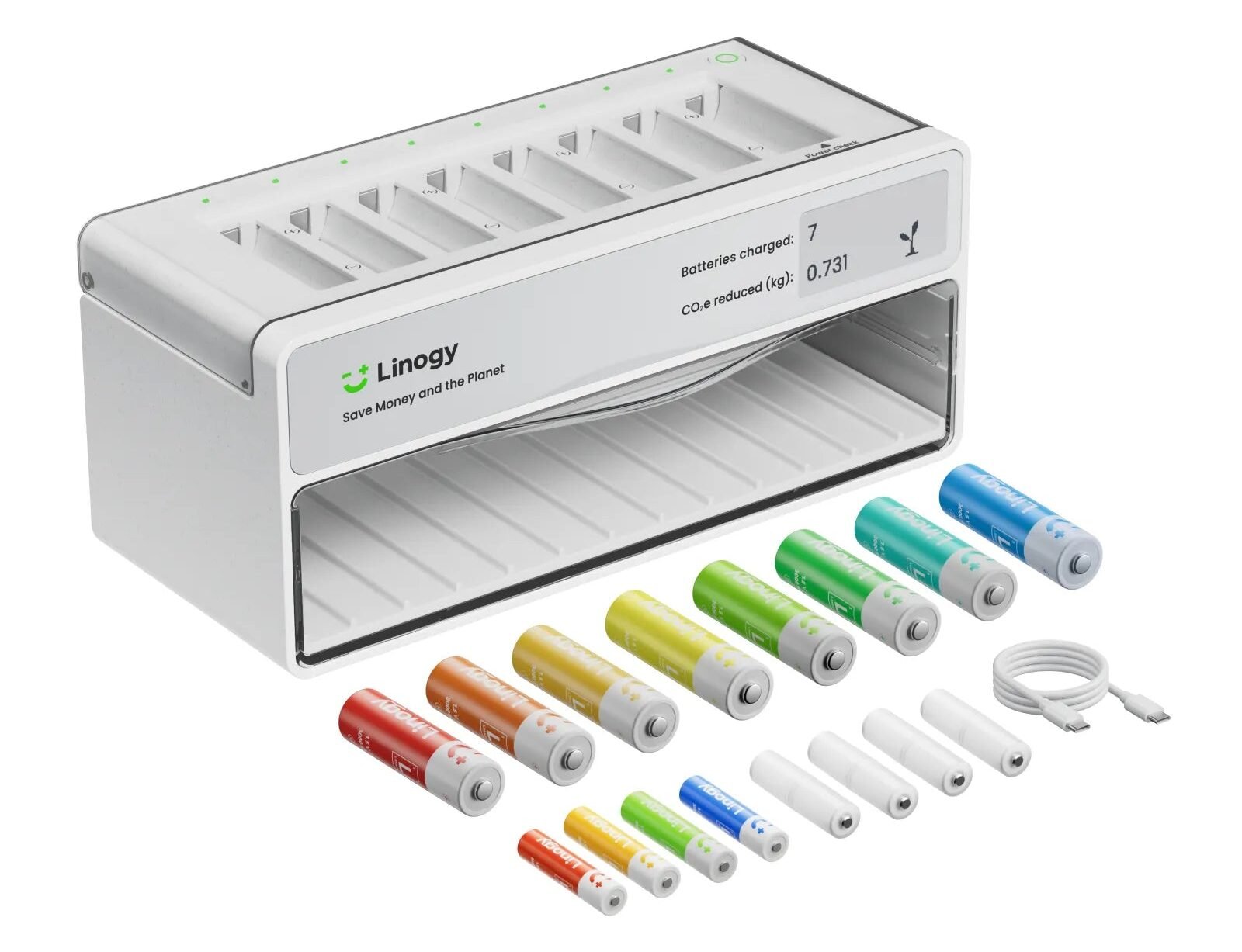
At the heart of Linogy’s offering is its advanced lithium-ion chemistry. Unlike standard nickel-metal hydride (NiMh) batteries, Linogy’s Li-ion cells maintain a higher voltage for a significantly longer duration. This isn’t just a technical detail; it’s a game-changer for many devices that struggle to operate optimally, or even at all, when voltage dips. The consistent power delivery ensures your gadgets perform as intended, from start to finish.
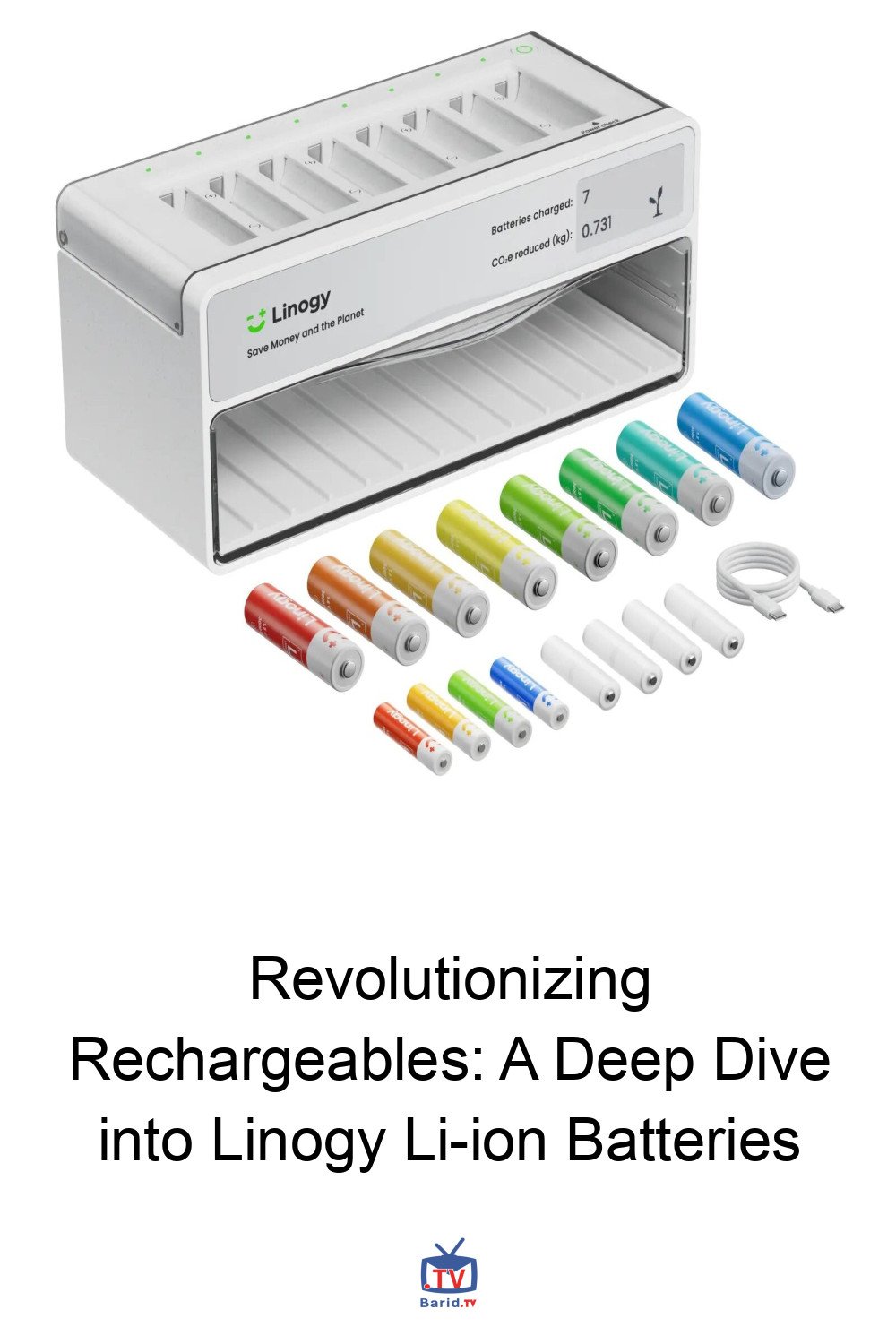
This new chemistry naturally requires a specialized charging solution, and Linogy delivers. Their versatile charging station intelligently handles both Li-ion and NiMh batteries, offering a convenient all-in-one solution. A clever design feature even aids in organization, neatly depositing charged batteries into a drawer – a small but welcome touch for anyone tired of scattered cells.
A History of Battery Frustration
Many of us have a storied past with rechargeable batteries, often marked by disappointment. I recall my first “innovative” alkaline rechargeables that, after a few cycles, decided to ooze their corrosive contents across my uncle’s kitchen counter. Years later, I witnessed a photographer’s valiant, yet futile, attempts to power a demanding camera flash with 1.6V NiZn batteries, only for them to repeatedly die mid-session. These experiences underscore a universal truth: not all batteries are created equal, and some applications demand more than others.
Real-World Performance: Putting Li-ion to the Test
Initial measurements showed Linogy’s AA cells boasting an impressive 1.7V when fully charged, a notable jump from NiMh’s typical 1.5V. But numbers on a multimeter only tell part of the story. The real test comes in everyday use.
The Egg Lamp Experiment
My first practical application involved a 3D-printed egg lamp featuring color-changing string lights. The higher voltage of the Linogy batteries visibly extended the life of the blue emitters compared to NiMh. While they didn’t quite match the longevity of traditional alkaline batteries in this specific scenario, the improvement over NiMh was clear.
The Kit Cat Klock Conundrum
The most dramatic demonstration of Linogy’s prowess came with a modern Kit Cat Klock. These charming, retro timepieces are notorious for their voracious appetite for C batteries. I had long resorted to using rechargeable AAs with adapters, but their lifespan of only a couple of days meant they were reserved for rare occasions. With Linogy Li-ion batteries, the results were astounding: the Klock’s iconic wagging tail motor ran not just for a few extra days, but for an incredible two whole weeks! This performance truly “smoked” the NiMh cells.
Beyond the Klock: Plasma Globe & More
While not as dramatic, other tests also revealed significant improvements. In a plasma globe, Linogy batteries extended operational time by over 20% compared to NiMh. These consistent gains across various devices highlight the tangible benefits of their stable, higher voltage output.
Minor Quibbles, Major Value
No product is without its minor imperfections. The AAA adapters, while functional, can be a bit fiddly, and the charger itself leans towards the bulky side. The e-ink screen, while a neat aesthetic touch, isn’t strictly necessary for functionality. However, these are mere nitpicks, not dealbreakers. The charger proved reliably robust, capably managing both Linogy Li-ion cells and three different brands of NiMh batteries.
The initial investment of $129 might seem steep, but for anyone frequently buying and discarding AA batteries, the long-term savings and superior performance make Linogy a compelling, almost “no-brainer” choice. Ultimately, batteries either perform or they don’t. Linogy’s Li-ion batteries not only perform well but, in the right applications, demonstrably outperform their NiMh counterparts, offering a powerful and reliable solution for your most demanding devices.
For more details, visit our website.
Source: Link