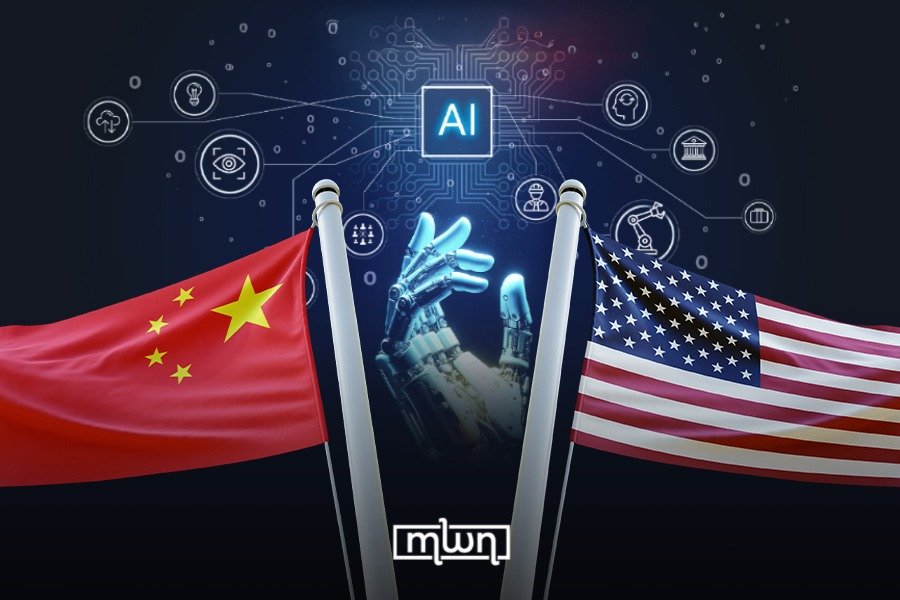

The White House has issued a stern warning, alleging that foreign entities, primarily from China, are engaged in sophisticated, large-scale campaigns to illicitly replicate American artificial intelligence systems. This alarming development underscores a growing concern over intellectual property theft in the rapidly evolving AI landscape, threatening U.S. innovation and national security.
The Alarming Allegations: A Systematic Threat to U.S. AI
An internal memo from Michael Kratsios, Director of the White House Office of Science and Technology Policy, reveals new evidence pointing to systematic efforts by foreign groups to target U.S. AI companies. The administration asserts that these campaigns aim to gain unauthorized access to proprietary systems and undermine American research and development capabilities, as reported by the BBC.
Understanding ‘Distillation’: The New Frontier of AI Theft
At the heart of these concerns is a method known as “distillation.” This advanced technique involves foreign actors attempting to replicate sophisticated AI models by extracting critical insights and data from existing systems. The memo details how this is often executed through highly coordinated activities, utilizing thousands of accounts to interact with AI tools, specifically designed to uncover hidden or restricted information. Kratsios characterized these practices as “industrial-scale campaigns” explicitly engineered to exploit U.S. innovation.
White House Mobilizes Countermeasures
In response to these escalating threats, the White House is preparing a multi-pronged strategy. Plans include bolstering coordination with domestic AI firms, enhancing intelligence sharing regarding emerging threats, and developing clearer guidelines to detect and mitigate such illicit activities. The administration has also indicated it is exploring avenues to hold responsible parties accountable, though specific punitive measures have yet to be detailed. A spokesperson declined to offer further comments beyond the memo’s contents.
China’s Rebuttal and Industry Confirmation
Beijing has swiftly rejected the allegations. A representative from the Chinese embassy in Washington stated that China’s technological advancements are a product of indigenous efforts and international collaboration, simultaneously criticizing what it termed “unjustified pressure” on Chinese companies.
However, several prominent U.S.-based AI firms have independently reported similar incidents. Both OpenAI and Anthropic have confirmed ongoing attempts to replicate their proprietary models. Earlier this year, Anthropic specifically identified three China-based laboratories—DeepSeek, Moonshot AI, and MiniMax—as being involved in these activities. While these companies have not publicly addressed the accusations, OpenAI has also pointed fingers at DeepSeek for allegedly copying aspects of its technology. DeepSeek, launched last year, quickly garnered attention for claiming to have developed a competitive AI model at a significantly lower cost than its Western counterparts, with an updated version anticipated soon following a recent service disruption.
Geopolitical Ramifications and Future Dialogues
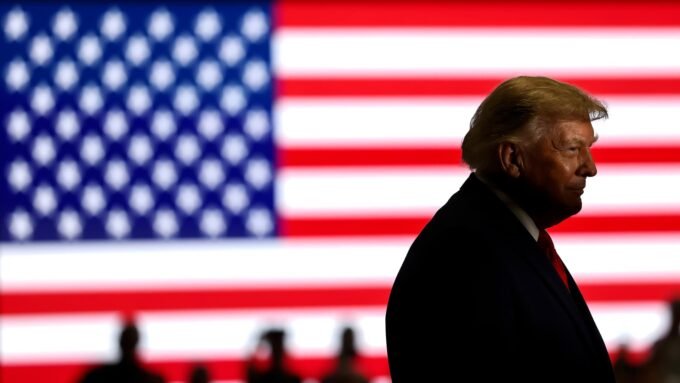
This contentious issue emerges at a particularly sensitive juncture in U.S.-China relations. With former President Donald Trump slated to visit China in May, technology and trade disputes are expected to feature prominently on the diplomatic agenda, adding another layer of complexity to an already strained relationship. The allegations of AI theft could further exacerbate tensions, making future cooperation in critical technological sectors increasingly challenging.
For more details, visit our website.
Source: Link