
California’s Energy Island: A Vulnerable Giant
As Europe grapples with escalating fuel shortages amid persistent conflict in the Middle East, a similar, critical energy crunch is now tightening its grip on California and the broader West Coast. This isn’t merely a ripple effect from global instability; it’s a perfect storm brewing in the Golden State, threatening its robust economy and the travel plans of millions.
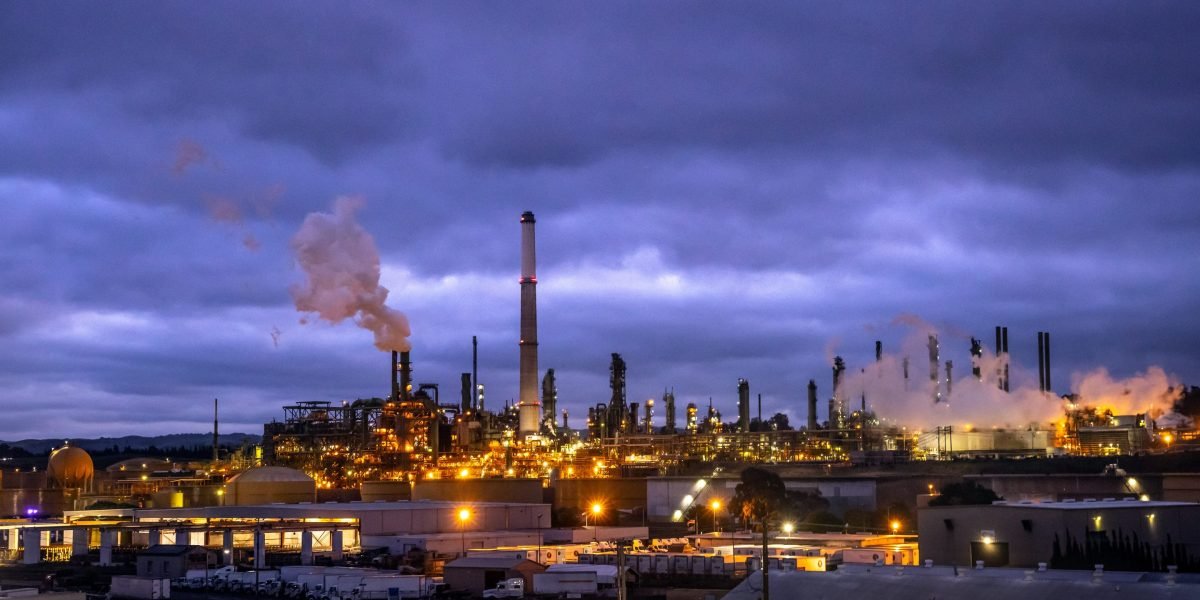
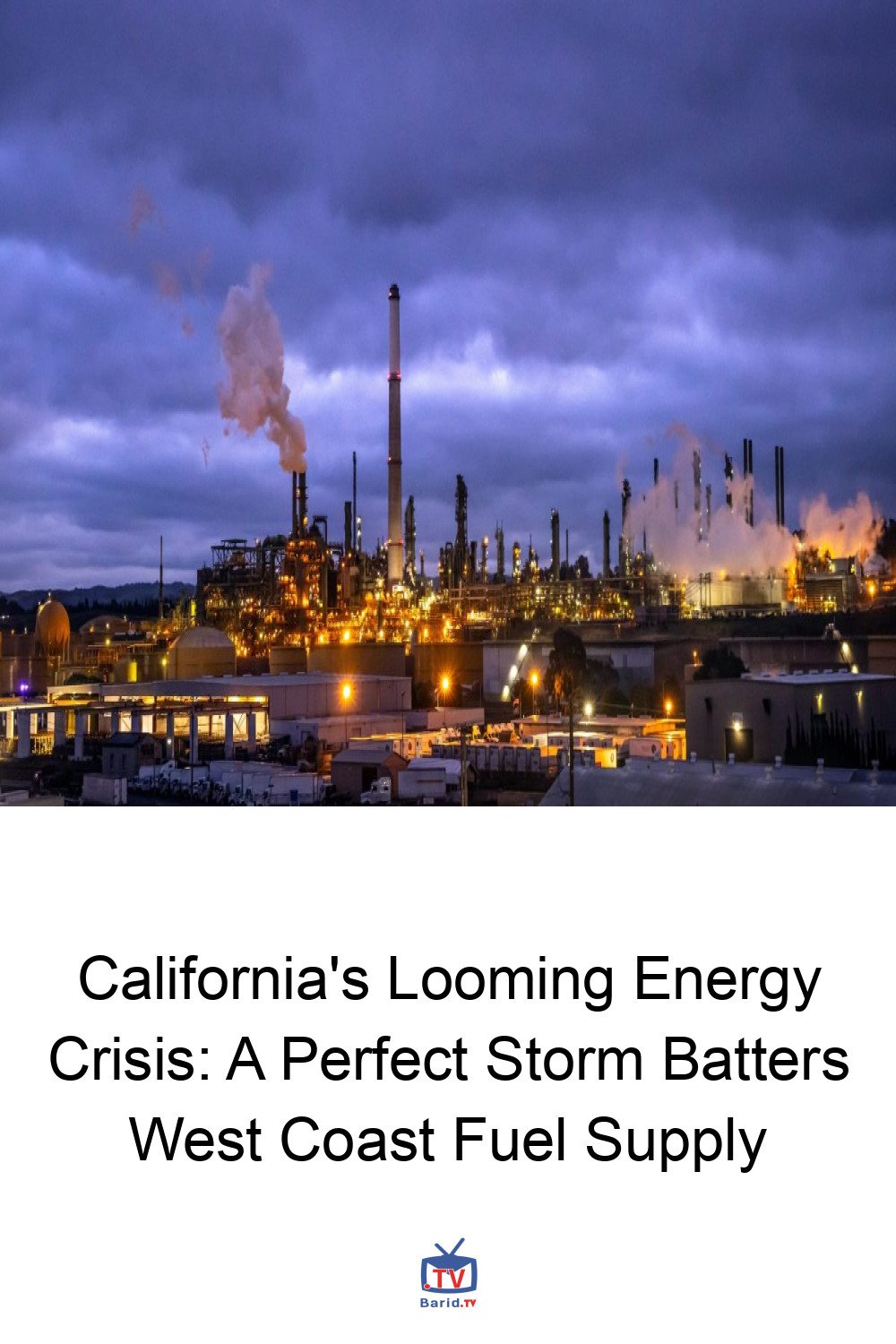
Despite the United States leading global crude oil production, California finds itself in a unique and precarious position. Functioning as an energy island, geographically isolated by the Pacific Ocean to the west and formidable mountain ranges to the east, the state faces inherent challenges in developing and maintaining essential oil and fuel pipelines. This geographical isolation, coupled with a stringent regulatory environment and demanding fuel standards, has steadily eroded the economic viability of its refineries over the years.
The Double Whammy: Refinery Closures and Global Reliance
The state’s reliance on imported oil, gasoline, diesel, and crucially, jet fuel, primarily from Asia, is a significant vulnerability. Asia itself is currently battling its own supply woes, heavily dependent on Middle Eastern energy sources. Compounding this precarious situation, California has recently lost nearly 20% of its oil-refining capacity with the shuttering of Phillips 66’s Los Angeles refinery and Valero Energy’s Benicia refinery near San Francisco. Valero is also reportedly contemplating the future of its Wilmington facility near Los Angeles, adding another layer of uncertainty.
Patrick De Haan, head of petroleum analysis at GasBuddy, starkly noted the unfortunate timing. “It’s real terrible timing for California to see the loss of two refineries at a time when Asia is struggling with oil supplies of its own,” he stated. His concern extends to the immediate future: “If we don’t have some concrete [peace] deal here in the next three weeks, then I’m really nervous for the West Coast this summer in terms of jet fuel. That’s not going to be great for California’s economy.”
Airlines Brace for Turbulence: Cancellations and Soaring Fares
The impact on air travel is already palpable. Norse Atlantic Airways has canceled all its summer flights from Los Angeles International Airport (LAX). Major carriers like Delta Air Lines and Air Canada have begun trimming U.S. flights, while United Airlines CEO Scott Kirby announced fare increases of up to 20% and proactive flight cancellations during off-peak times. Even struggling Spirit Airlines, pushed to the brink by surging fuel costs, may require a federal bailout to survive. Across the Atlantic, German giant Lufthansa has axed a staggering 20,000 flights through October, signaling the global scale of the crisis.
De Haan emphasizes that the primary concern for the West Coast isn’t gasoline supply, but rather “jet fuel out of LAX, San Francisco, Seattle, and then it’s diesel.” He anticipates widespread route cancellations this summer as airlines strive to conserve fuel. Given that refineries prioritize gasoline production for passenger vehicles, shortages of refined products typically hit jet fuel first, followed by diesel. This ripple effect is poised to impact Washington, Oregon, Arizona, Nevada, Hawaii, and Alaska significantly.
A Temporary Lifeline: The Jones Act Waiver
Amidst this challenging outlook, a partial reprieve has emerged in the form of the Trump administration’s temporary waiver of the 106-year-old Jones Act. This legislation mandates that cargo ships moving between U.S. ports must be U.S.-built, flagged, and crewed, often limiting the available fleet. The waiver now permits more vessels to transport fuel, for instance, from the U.S. Gulf Coast through the Panama Canal to California, helping to alleviate immediate shortfalls. The California Energy Commission (CEC) has confirmed that this waiver is indeed bringing incremental supply to the state.
While the White House initially highlighted the waiver’s minimal impact on fuel price spikes, its true value lies in easing the logistical movement of supplies to critical domestic areas like California and Alaska, particularly for jet fuel. The current 60-day waiver holds the potential for extension, offering a crucial, albeit temporary, buffer against the deepening crisis.
The Long Road Ahead: Years Until Lasting Solutions
Despite these short-term measures, the long-term outlook remains challenging. Plans for new fuel and refined product pipelines into California, including initiatives from Phillips 66, are underway, but these are not expected to come online until 2029 at the earliest. This means California will continue to compete internationally for increasingly expensive and scarce fuel imports from nations like South Korea, Singapore, Japan, India, and the Middle East.
The CEC maintains that current jet fuel stocks are adequate and within historic norms, though acknowledging supplies are tight. For West Coast travelers, the immediate future likely entails sustained higher prices and airline schedule adjustments, rather than outright physical shortfalls seen in Europe. However, the question of whether this holds true if critical energy chokepoints like the Strait of Hormuz remain blocked in the coming months looms large, a scenario the CEC admits is difficult to forecast definitively. California’s energy resilience is being tested like never before, demanding strategic foresight and agile responses to navigate this complex and evolving crisis.
For more details, visit our website.
Source: Link