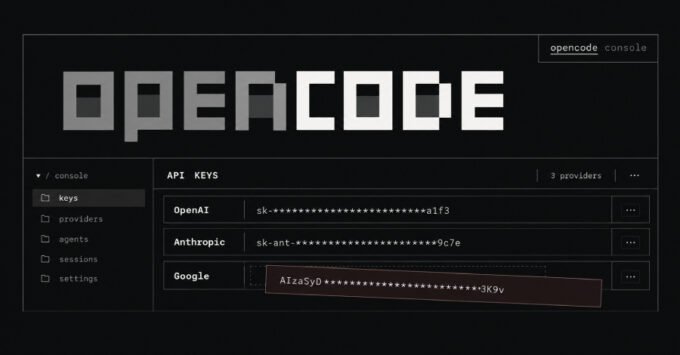

In the evolving landscape of cybersecurity, the threats are often not what we expect. While phishing scams and weak passwords frequently grab headlines, a more insidious danger has quietly emerged as the primary culprit behind a staggering 68% of cloud breaches in 2024:
unmanaged non-human identities. These ‘Ghost Identities’ are the forgotten keys to your enterprise kingdom, left unguarded and ripe for exploitation.
The Invisible Army: Understanding Non-Human Identities
For every human employee within your organization, there exists an army of 40 to 50 automated credentials. This includes a vast array of service accounts, API tokens, AI agent connections, and OAuth grants. These digital entities are the backbone of modern automated workflows and interconnected systems. The critical flaw? When projects conclude or employees depart, a significant portion of these credentials remain active, often retaining full privileges and operating completely unmonitored.
Attackers aren’t always breaking down doors; more often, they’re simply picking up the keys you’ve inadvertently left lying around. These ‘Ghost Identities’ represent a critical blind spot in traditional security strategies.
Why Traditional IAM Falls Short
The reality is, conventional Identity and Access Management (IAM) systems were designed with human users in mind. They excel at managing people, their roles, and their permissions. However, they largely overlook the burgeoning world of machine identities. This oversight creates a gaping vulnerability, especially as AI agents and automated workflows proliferate, multiplying these credentials at a pace no security team can manually track.
Many of these non-human identities are provisioned with admin-level access they never truly needed, creating an unnecessary risk surface. A single compromised token can grant an attacker unfettered lateral movement across your entire environment, with the average dwell time for such intrusions exceeding 200 days – ample time for significant damage.
Eliminating the Ghosts: A Proactive Playbook for Enterprise Security
The good news is that these hidden threats can be neutralized. We invite you to join our upcoming expert webinar, where we will equip you with a practical, actionable playbook to identify and eliminate ‘Ghost Identities’ before they become a devastating back door for hackers. This isn’t a theoretical discussion; it’s a working guide designed for immediate implementation within your team.
What You’ll Discover in This Essential Session:
- Comprehensive Discovery: Learn how to execute a full discovery scan of every non-human identity present in your environment, bringing hidden threats into the light.
- Permission Right-Sizing:
Gain a robust framework for effectively right-sizing permissions across all service accounts and AI integrations, ensuring least privilege is enforced.
- Automated Lifecycle Management: Implement an automated lifecycle policy that ensures dormant or dead credentials are swiftly revoked, preventing attackers from ever finding them.
- Ready-to-Use Checklist: Receive an exclusive Identity Cleanup Checklist during the live session, providing a tangible tool to kickstart your security enhancements.
Don’t let these hidden keys compromise your invaluable enterprise data. Secure your organization against the silent saboteurs of cloud security. We’re hosting a live, step-by-step session to guide you through the process of securing these critical non-human identities.
📅 Save Your Spot Today: Register for the Webinar Here.
Found this article insightful? Stay ahead of the curve by following us on Google News, Twitter, and LinkedIn for more exclusive content and expert insights.
For more details, visit our website.
Source: Link