
In an increasingly digital world, the quest for authentic human connection and verified identity has never been more critical. Enter Sam Altman’s World ID orb, a controversial yet innovative solution that promises to authenticate your online presence, from your next Tinder date to crucial Docusign documents. But should you really be staring into this biometric sphere before your next romantic rendezvous?
The Orb’s Embrace: Verifying Your Digital Self
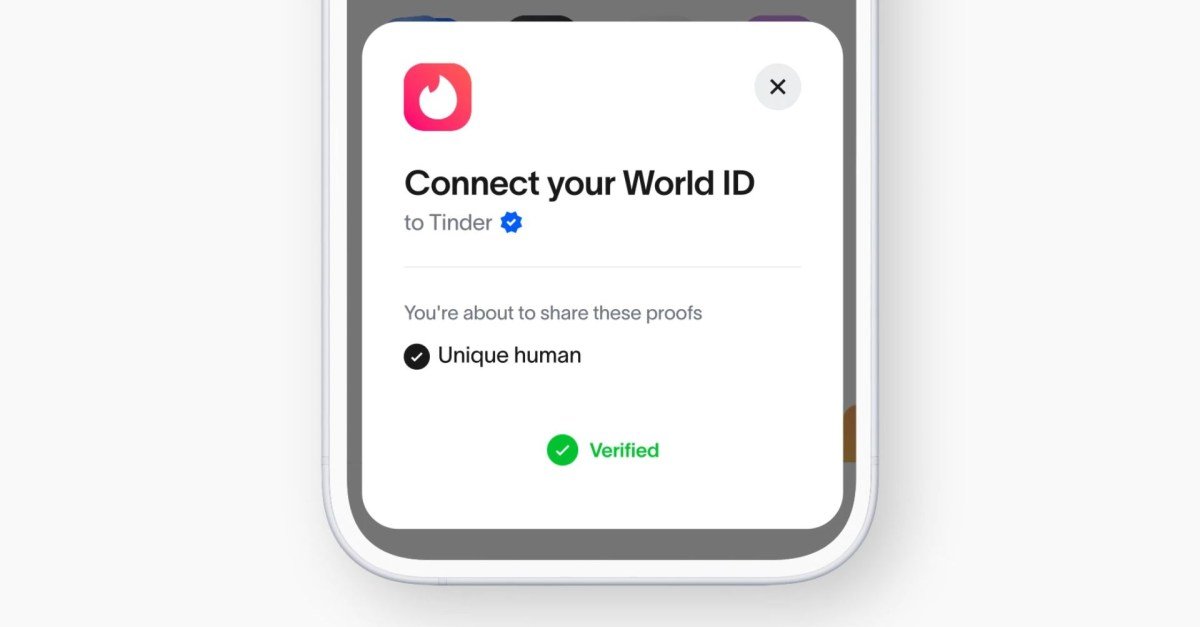
The orb-powered World ID app, a brainchild co-founded by OpenAI CEO Sam Altman, is rapidly expanding its reach, offering a novel way to prove you’re a real person in a landscape increasingly populated by bots and AI agents. What began as a pilot program in Japan for Tinder verification is now rolling out to select markets, including the United States, bringing a new dimension to online trust.
How Does the Orb Verify You?
The process is straightforward, albeit requiring a physical interaction. Users must visit one of World’s distinctive orbs in person. During this encounter, the orb captures images of your face and eyes. Crucially, World states that these biometric data points are then encrypted and stored directly on your phone, ensuring that “only you control them by default.”
Once the facial scan is complete, users can link their World ID to compatible applications. For Tinder users, this means earning a coveted “verified human badge” on their profile. While Tinder already offers verification through photos or government IDs, the World ID route comes with an enticing, albeit limited-time, offer: five free boosts in the app. This incentive highlights the platform’s push for widespread adoption of its unique verification method.
Beyond Dating: A Universal Digital Passport?
The World ID’s utility extends far beyond the realm of dating apps. World is concurrently launching a dedicated World ID app, separate from its broader “super app,” specifically designed to manage this “proof of human” verification across a growing ecosystem of services. This includes major platforms like Zoom, where authenticating participants can enhance security and trust in virtual meetings, and Docusign, where verified identities are paramount for legal and contractual agreements.
The Promise and Peril of Biometric Verification
The integration of World ID into such diverse and critical services signals a significant shift towards biometric-based digital identity. On one hand, it offers a robust defense against impersonation, fraud, and the proliferation of AI-generated content, promising a more trustworthy online environment. For dating apps, it could mean fewer catfishes and more genuine connections. For professional tools, it enhances security and accountability.
However, the concept of a centralized, biometric identity system also raises important questions about privacy, data security, and accessibility. While World emphasizes user control over encrypted data, the very act of scanning one’s unique biological identifiers for digital access is a frontier that warrants careful consideration and public discourse.
As World ID continues its expansion, the “orb” stands as a potent symbol of our evolving relationship with technology and identity. Whether it becomes a ubiquitous tool for digital trust or remains a niche solution will depend on its ability to balance innovation with user privacy and ethical considerations. For now, it certainly makes for an intriguing pre-date ritual.
For more details, visit our website.
Source: Link