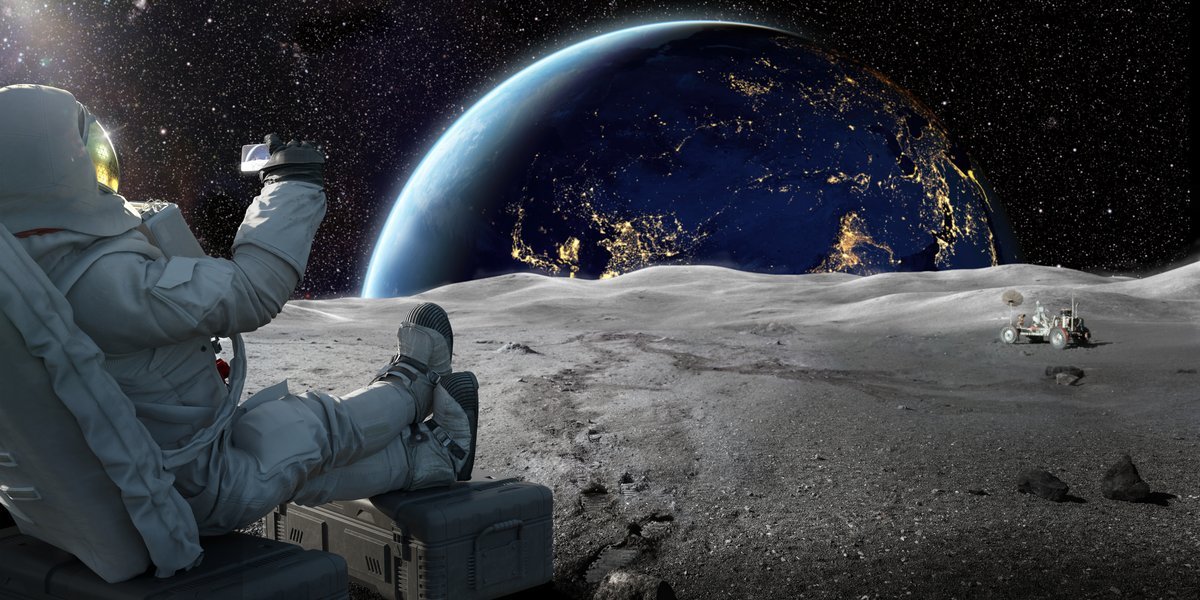

Prepare for an unprecedented upgrade to the space selfie game. NASA, long known for its stringent equipment protocols, is embarking on a bold new frontier: allowing astronauts to bring personal smartphones, including the latest iPhones, into the cosmos. This groundbreaking decision marks a significant shift, promising not only a treasure trove of personal moments for spacefarers but also an inspiring visual narrative for the world.
A New Era for Space Photography
For decades, personal devices have been largely restricted in space, with astronauts relying on specialized, often older, equipment like DSLR cameras for capturing images. However, the upcoming Artemis II mission, slated for next month, will witness a dramatic change. Astronauts will now be equipped with modern smartphones, a move that NASA Administrator Jared Isaacman recently championed via social media.
“We are giving our crews the tools to capture special moments for their families and share inspiring images and video with the world,” Isaacman announced. He further emphasized the agency’s commitment to innovation: “Just as important, we challenged long-standing processes and qualified modern hardware for spaceflight on an expedited timeline. That operational urgency will serve NASA well as we pursue the highest-value science and research in orbit and on the lunar surface.”
Beyond the Comfort Zone: NASA’s Modern Leap
While seemingly minor, this policy change represents a substantial push beyond NASA’s traditional comfort boundaries. Previously, the most advanced camera approved for Artemis II was a 2016 Nikon DSLR. This embrace of contemporary technology reflects a broader strategic pivot, acknowledging the power of personal connection and immediate global sharing in the digital age. Astronauts have long used tablets for family communication, but the integration of personal smartphones takes this connectivity to an entirely new level.
Catching Up with Commercial Space
Interestingly, this move places NASA in line with the practices of private commercial space flight providers, who have permitted passengers to carry smartphones for nearly a decade. Visionaries like Isaacman himself have already demonstrated the feasibility and benefits, having brought a smartphone on a SpaceX flight in 2024. This adoption by NASA signals a recognition of modern capabilities and a willingness to adapt to evolving technological landscapes.
Lunar Selfies and Unforgettable Views
The implications for public engagement are immense. The Artemis II mission is set to send astronauts into lunar orbit, venturing further from Earth than any human has gone before. This journey will provide unparalleled scenic backdrops, far exceeding those available on commercial suborbital flights. Imagine the breathtaking photos and videos – not just of scientific experiments, but of the Earthrise over the lunar horizon, captured with the immediacy and quality of a modern smartphone. These images will not only document a historic mission but also inspire a new generation of space enthusiasts, paving the way for the planned Artemis III landing on the lunar South Pole.
This isn’t just about better selfies; it’s about making space more relatable, more immediate, and ultimately, more human for everyone on Earth.
For more details, visit our website.
Source: Link