The Billionaire Tax Debate: A New Chapter in California
California is once again at the epicenter of a contentious debate surrounding wealth taxation, with a proposed ballot measure aiming to impose a significant levy on its wealthiest residents. While many billionaires are reportedly up in arms, one prominent figure stands out for his remarkably calm, almost indifferent, stance: Nvidia CEO Jensen Huang.
Jensen Huang: An Unexpected Voice of Acceptance
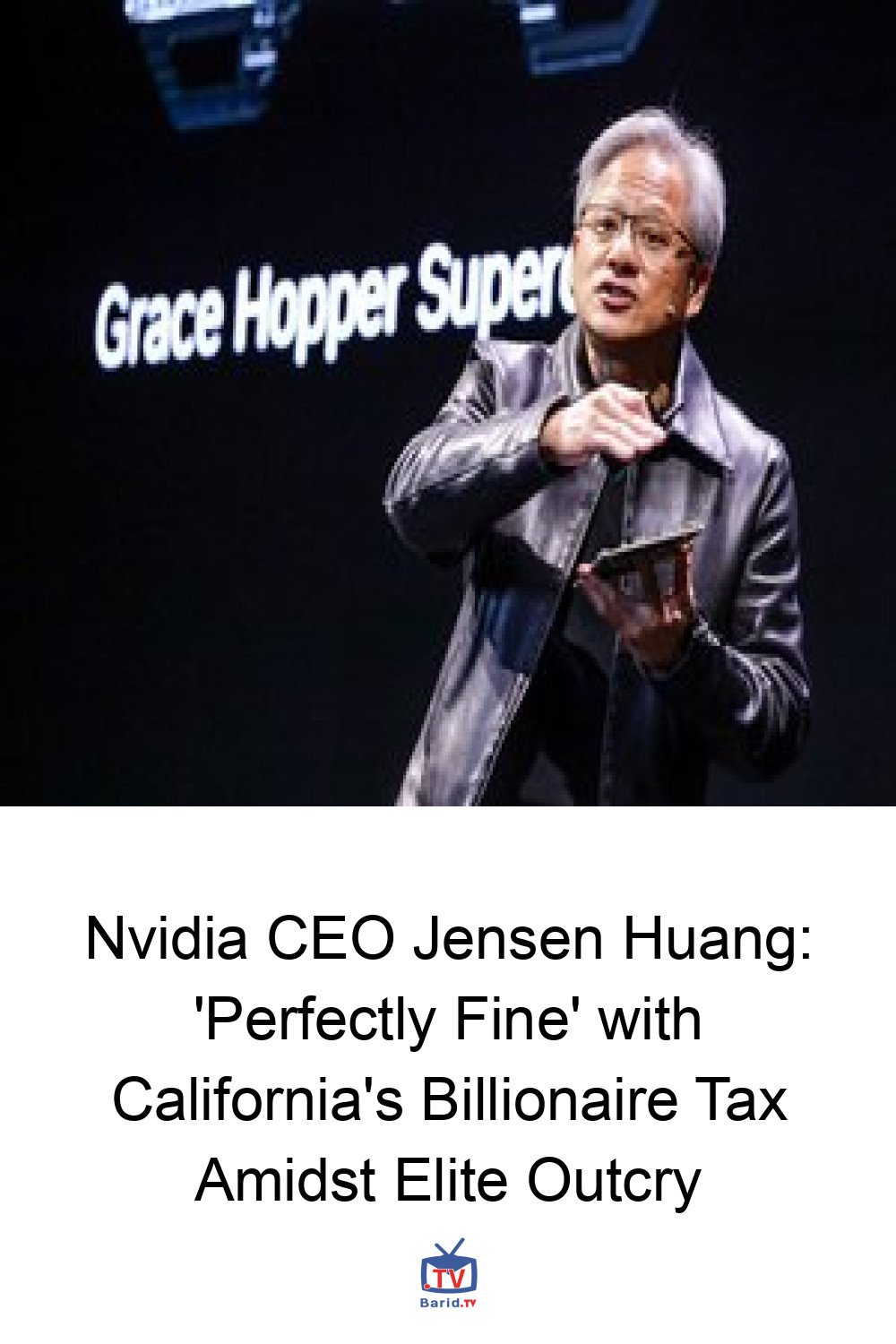
In a landscape where the ultra-rich often vociferously oppose new tax initiatives, Huang’s recent comments have sent ripples through the business world. Speaking to Bloomberg TV, the tech titan revealed a surprising lack of concern regarding the proposed one-time 5% tax on billionaires residing in the state as of January 1. “I’ve got to tell you, I have not even thought about it once,” Huang stated. “We chose to live in Silicon Valley, and whatever taxes I guess they would like to apply, so be it. I’m perfectly fine with it.”
This acceptance is particularly notable given the potential personal impact: Bloomberg estimates Huang’s tax bill could skyrocket to $7 billion if the measure passes. His pragmatism, perhaps, mirrors his recent diplomatic efforts with former President Donald Trump to ensure Nvidia’s crucial AI chip sales in China.
A Stark Contrast: Other Elites Threaten Exodus
Huang’s laid-back attitude stands in sharp contrast to the heated reactions from other wealthy elites. Figures like White House AI czar David Sacks and prominent investor Peter Thiel have publicly threatened to abandon California should the tax become law. Their strong criticism underscores the deep divisions this proposal has ignited within the state’s affluent communities.
The Road to the Ballot: Funding and Opposition
The proposed tax, which proponents argue is essential to fund new healthcare and education initiatives, requires a sufficient number of signatures to qualify for the November 2026 election ballot. Its journey to becoming law is fraught with challenges, not least the historical resistance to similar measures.
A History of Resistance: Why Billionaire Taxes Often Fail
The concept of taxing the super-rich is not new, but its implementation has historically faced significant hurdles. A Democratic-controlled Congress briefly considered an identical federal tax in late 2021, only to shelve it due to concerns from centrist Democrats who deemed it overly punitive. Even then-Speaker Nancy Pelosi, whose district includes San Francisco, privately dismissed it as a “publicity stunt” that could face a Supreme Court challenge.
Silicon Valley’s Political Divide: Khanna vs. The VCs
Despite past failures, progressive voices in California, led by figures like Rep. Ro Khanna, continue to champion the billionaire tax. Khanna’s unwavering support has, however, generated a backlash among some executives in his Silicon Valley district. Martin Casado, a partner at venture capital firm Andreessen Horowitz, publicly expressed his disillusionment, stating, “Ro has done a speed run alienating every moderate I know who has supported him. Including myself.” This sentiment highlights the widening political chasm within the tech hub.
What This Means for California’s Future
As California grapples with its fiscal future and the growing wealth gap, the proposed billionaire tax represents a critical test of political will and economic philosophy. Jensen Huang’s unexpected acceptance adds a fascinating dimension to a debate that will undoubtedly shape the state’s economic and social landscape for years to come.
For more details, visit our website.
Source: Link