
Instagram’s AI Reckoning: Mosseri Predicts ‘Fingerprinting Real Media’ as the Only Way Forward
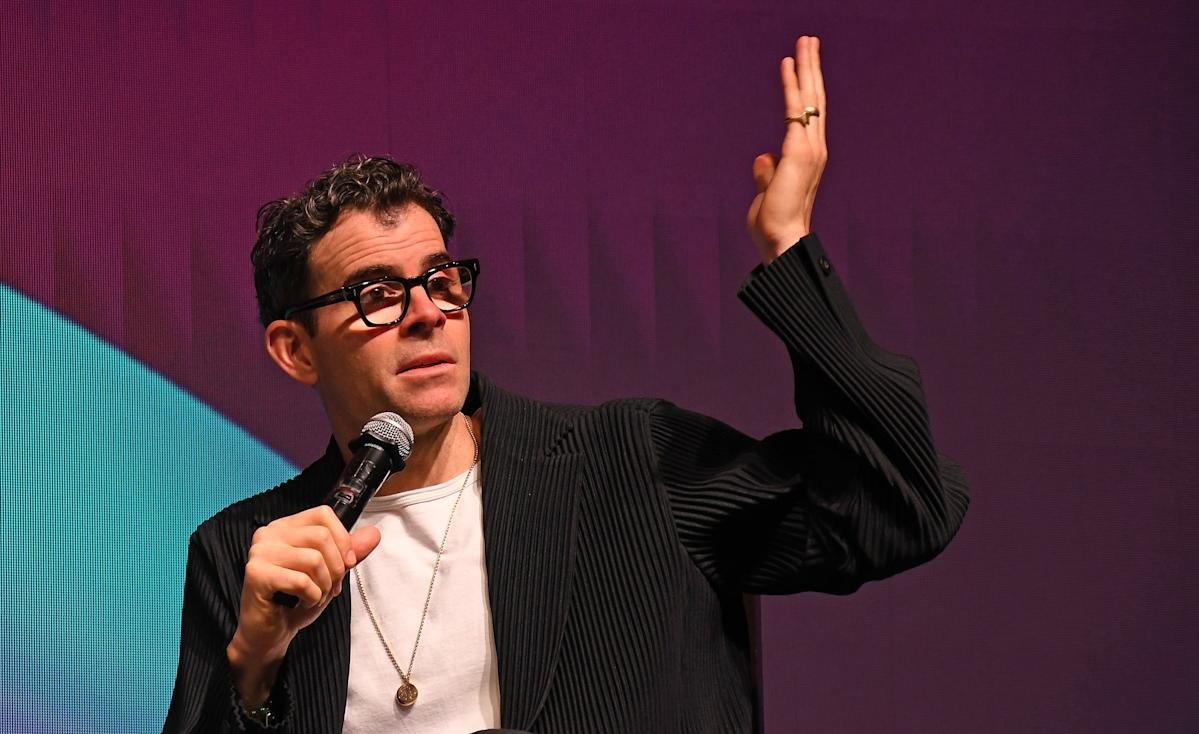
The digital landscape is undergoing a seismic shift, and according to Adam Mosseri, Head of Instagram and Meta, artificial intelligence is at its epicenter. Mosseri recently made a stark declaration: AI-generated content is poised to overwhelmingly dominate our social media feeds, leading to a radical re-evaluation of how we authenticate digital media. His candid assessment, shared in a lengthy post outlining Instagram’s future trends, suggests a future where verifying what’s real becomes more practical than chasing what’s fake.
The Inevitable Rise of Synthetic Content
It’s no longer a secret that AI-generated imagery and text have permeated our online experiences. Mosseri expects this trend to accelerate dramatically, with synthetic content soon outnumbering human-created media. This shift, he notes, fundamentally challenges the very essence of what made creators valuable. “Everything that made creators matter—the ability to be real, to connect, to have a voice that couldn’t be faked—is now suddenly accessible to anyone with the right tools,” Mosseri wrote, observing that “The feeds are starting to fill up with synthetic everything.”
Despite this profound transformation, Mosseri appears unperturbed. He acknowledges the existence of “a lot of amazing AI content” and suggests that platforms must rethink their approach to content labeling. Rather than an endless pursuit of identifying fakes, he proposes a paradigm where we focus on verifying authenticity.
A Radical Shift in Authenticity: Fingerprinting Reality
Mosseri’s most provocative suggestion is a move towards “fingerprinting real media, not just chasing fake.” He envisions a future where camera manufacturers cryptographically sign images at the point of capture, establishing an unbreakable chain of custody. This, he argues, would be a more practical and sustainable solution than the current, often futile, efforts to detect AI-generated content.
Why Meta is Shifting Responsibility
This proposed shift isn’t without context. Meta, like many tech giants, has poured billions into AI development, yet openly admits its inability to reliably detect AI-generated or manipulated content on its platforms. Previous attempts at AI watermarking have proven unreliable, easily removed, or ignored. Mosseri’s readiness to admit defeat on this front is telling: it signals that the battle against AI ‘slop’ (as some term it) has been lost, and the onus of verifying authenticity is being subtly shifted away from the platform itself.
The implication is clear: ensuring users understand what’s real should, in Meta’s view, largely become someone else’s problem. Camera and phone manufacturers are now being tasked with developing a system akin to advanced watermarking to “verify authenticity at capture.” However, Mosseri offers scant details on the practical implementation of such a system at the massive scale required.
The Creator Conundrum: Redefining “Real” on Instagram
Mosseri’s vision for Instagram’s future also carries significant implications for its vast community of photographers and creators, many of whom already express frustration with the platform’s algorithms and declining organic reach. His suggestions could further alienate those who have built their presence on a foundation of professional-grade imagery.
Indeed, Mosseri suggests that the very concept of Instagram as a feed of “polished” square images “is dead.” He believes camera companies are “betting on the wrong aesthetic” by trying to make everyone look like a “professional photographer from the past.” Instead, he posits that authenticity in an AI-saturated world will come from embracing “raw” and even “unflattering” images. In a future dominated by AI, creators may need to intentionally present content that looks less than perfect to prove its human origin.
The Future of Digital Authenticity
Mosseri’s bold predictions paint a picture of a digital future profoundly reshaped by AI. While his proposed solutions offer a potential path forward for content verification, they also raise critical questions about platform responsibility, the evolving role of creators, and the very definition of authenticity in an increasingly synthetic world. The challenge for Instagram, and indeed the entire digital ecosystem, will be navigating this new reality while maintaining trust and fostering genuine human connection.
For more details, visit our website.
Source: Link