





The digital landscape is a minefield, and even with an arsenal of security tools, critical vulnerabilities can slip through the cracks, leaving organizations dangerously exposed. A vulnerability might have a high-severity score and a ticket in the queue, but without crucial context—who owns the system, its attack surface, existing protections, or business impact—it often leads to endless investigations, handoffs, and delays.
An effective exposure management platform doesn’t just identify risks; it connects discovery with clear prioritization, appropriate responses, and verifiable improvements in protection. This is the essence of Continuous Threat Exposure Management (CTEM), a strategic approach that unifies scoping, discovery, prioritization, validation, and mobilization. But how do you know if your platform truly measures up? These five critical tests will reveal whether your current solution can genuinely support this holistic process across your entire infrastructure, identities, sensitive data, and external threats.
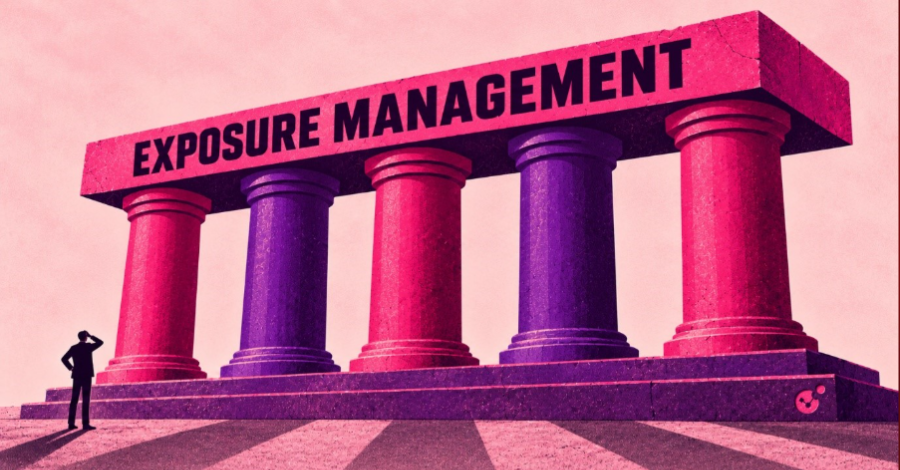
Are You Truly Protected? The Five Pillars of an Effective Exposure Management Platform
Test 1: Unifying Your Cyber Asset Landscape (CAASM & EASM)
Security teams often grapple with fragmented asset records. A cloud platform might identify an instance, an endpoint tool logs its hostname, and an inventory system lists an owner who has long since changed roles. This disjointed view creates blind spots. Cyber Asset Attack Surface Management (CAASM) is designed to bridge these gaps, consolidating disparate asset records to expose stale information, missing ownership, and critical protection deficiencies. The resulting unified view must be rich enough in detail to drive action, including the asset’s owner, its business purpose, assessment history, and current security coverage. It should clearly differentiate a system with no reported vulnerabilities from one that has simply never been assessed.
Crucially, discrepancies between sources must remain transparent. If an endpoint tool reports an active server while the inventory marks it as retired, the platform should provide source records and update timestamps to help teams swiftly resolve such conflicts. Beyond internal visibility, External Attack Surface Management (EASM) adds another vital layer, uncovering what attackers can see from the outside. This includes shadow IT, forgotten subdomains, and exposed services that internal tools might never detect. EASM and CAASM are most powerful when combined: CAASM maps your known assets, while EASM validates that picture from an attacker’s perspective, revealing unknown or unmanaged assets. Any unmanaged asset discovered by EASM should be fed back into CAASM, closing coverage gaps and assigning clear ownership. EASM also extends to brand exposure, identifying phishing sites, fraudulent profiles, and brand impersonation attempts, ensuring your external view protects both your technical assets and your reputation.
Test 2: Prioritizing with Precision: Beyond Basic Severity Scores
Not all vulnerabilities are created equal, and prioritization must move beyond generic severity scores. A customer-facing application, for instance, might carry the same vulnerability score as an isolated development system but presents a vastly different business risk. Effective prioritization demands a comprehensive understanding of what an exposure truly jeopardizes. Your platform should connect:
- Reachability and Exploitability: Is there a viable path for attackers to exploit this weakness?
- Threat Activity: Are attackers actively targeting this specific vulnerability or technology in the wild?
- Business Impact: What critical business functions or data does the system support, and what would be the consequences of a compromise?
- Existing Protection: Are relevant security controls already in place and effectively enforced on the system?
These conditions are dynamic. New exploitation activity should immediately accelerate a response, while a disabled protection mechanism might invalidate a previous assessment. External threats require equally specific reasoning: a fraudulent support account actively engaging customers demands rapid disruption, whereas an abandoned company social media profile might first require an ownership review and content removal.
Test 3: Validating Exposures and Remediation Strategies
Even with a clear priority, remediation can stall if the system owner lacks confidence in the proposed change. Validation is crucial for establishing precisely what an exposure allows and how any proposed response might impact ongoing operations. A robust platform must distinguish between observed evidence (e.g., confirmed vulnerable software, demonstrated exploitability) and analytical assumptions or untested theories. Attack-path relationships, too, require supporting evidence and clear limitations.
The proposed response itself requires a separate, thorough assessment. A patch, for example, might necessitate application testing and a specific maintenance window. Implementing an intrusion prevention system (IPS) rule might first require a period of observation in “detect” mode before full enforcement. The evidence provided by your platform should clearly address the action’s scope, its dependencies, potential for false positives, performance impact, and available recovery options. This rigorous assessment process reveals what the platform can definitively establish versus what your teams must still investigate manually.
Test 4: Seamless Remediation Integration into Existing Workflows
Knowing what to fix first is invaluable, but only if the fix can be implemented swiftly and safely. Often, the permanent patch is delayed by testing, approval processes, and scheduled maintenance windows, leaving the exposure open and the organization vulnerable for extended periods. An effective exposure management platform must facilitate safe and efficient remediation by integrating directly into your existing operational workflows. This means enabling security teams to initiate remediation actions, track their progress, and verify their effectiveness without disrupting business operations or requiring complex manual handoffs. It should support both immediate, temporary mitigations (like blocking access or applying virtual patches) and the longer-term, permanent solutions, ensuring that the exposure is addressed comprehensively and efficiently.
Test 5: Continuous Verification and Improvement (Mobilization & Measurement)
The final, and perhaps most critical, test for any exposure management platform is its ability to ensure that identified risks are not just addressed, but truly resolved, and that the overall security posture continuously improves. This involves the “mobilization” phase of CTEM, where the platform helps track the deployment of remediations, verifies their effectiveness, and measures the reduction in actual exposure. It should provide clear evidence that protections have improved, not just that a task was marked complete. This continuous feedback loop allows organizations to refine their security strategies, identify recurring issues, and demonstrate a tangible return on security investments. Without robust verification and ongoing measurement, even the most diligent efforts can fail to translate into genuine risk reduction, leaving your organization perpetually playing catch-up.
In a world where threats evolve daily, relying on an exposure management platform that merely identifies vulnerabilities is no longer enough. True protection comes from a solution that provides comprehensive visibility, intelligent prioritization, rigorous validation, seamless remediation, and continuous verification. By applying these five tests, you can ensure your platform is a true shield, not just another layer of complexity, safeguarding your organization from the ever-present dangers of the digital age.
For more details, visit our website.
Source: Link








Leave a comment