




Americans spend an astonishing 95 billion hours annually behind the wheel, covering 2.76 trillion miles. While General Motors, as a car manufacturer, isn’t looking to reduce these figures, their ambition, as unveiled at the annual GM Forward event in New York City, is to fundamentally transform this time. Their goal: to make your vehicle a more integral, productive, and engaging part of your daily existence.
The Car as Your New Co-Pilot and Confidant
Sterling Anderson, GM’s Chief Product Officer, envisions the future car as a multifaceted entity – part personal assistant, part spouse, part indispensable tool, and even a best friend. This ambitious vision is rapidly taking shape, propelled by a wave of AI-enabled innovations.
Introducing OnStar AI: Intelligent Assistance on the Go
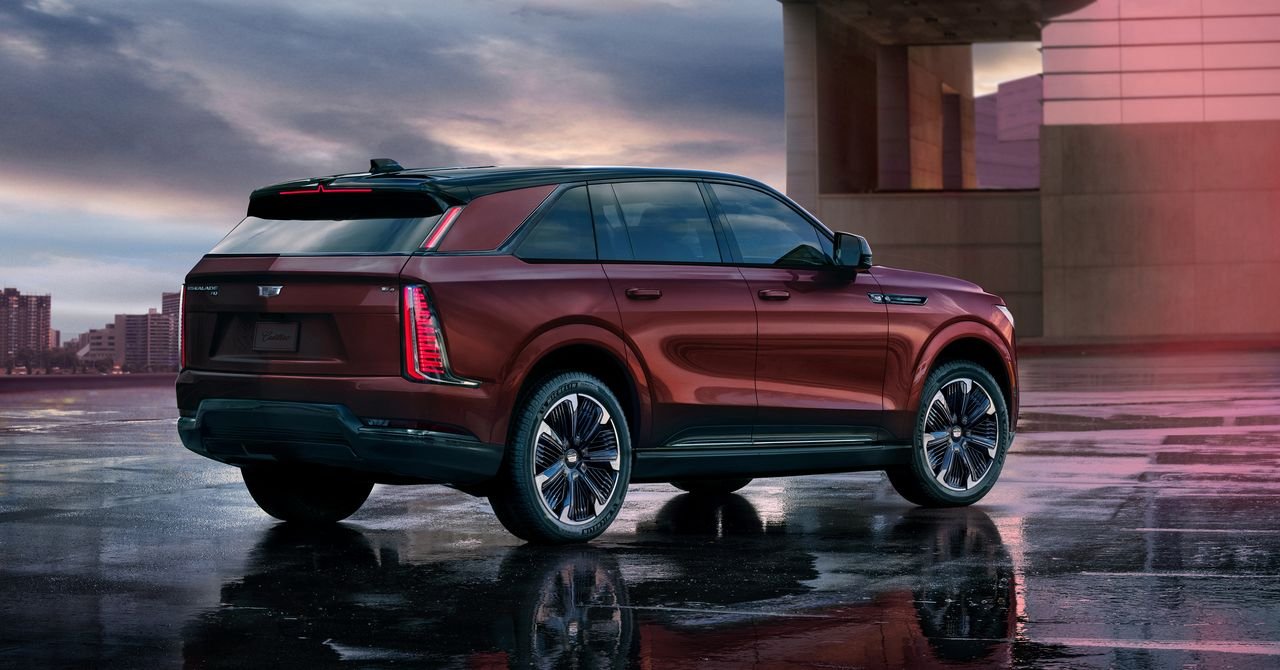
GM is set to debut OnStar AI, an advanced in-car AI assistant, starting with the 2027 Cadillac Lyriq. Leveraging the legacy of the 30-year-old OnStar service, which boasts 12 million subscribers, this new system promises intuitive voice control. Initially, drivers will be able to manage functions like air conditioning with simple voice commands, bypassing cumbersome menus. Looking further ahead, Anderson suggests OnStar AI could evolve to coordinate complex tasks, such as optimizing kid pickups and drop-offs based on vehicle proximity.
Accelerating Innovation and the Path to Autonomy
Beyond enhancing the driving experience, GM is harnessing AI to dramatically shorten vehicle development cycles. The aim is to halve the current four-to-five-year timeline, matching the rapid pace of Chinese automakers.
Super Cruise: A Measured Approach to Self-Driving
GM is also expanding its “eyes-off” highway driving technology, Super Cruise, to a broader range of its popular models. This system currently allows drivers to remove their hands from the steering wheel on hundreds of thousands of miles of pre-mapped highways. While the ultimate goal of a truly personal self-driving car remains, GM is adopting a cautious, incremental strategy.
Anderson emphasizes a commitment to delivering on promises rather than making unfulfilled ones. This contrasts sharply with approaches like Tesla’s “Full Self-Driving (Supervised),” which, despite its name, still demands constant driver vigilance. Anderson, who once led Tesla’s Autopilot program, argues that such systems offer “the illusion of autonomy without its benefits,” potentially compromising safety without offering true utility. GM’s philosophy is to gradually extend “eyes-off” capabilities, allowing drivers to engage in other activities like texting, eating, or watching media, first on specific highways, then broader networks, and eventually local roads.
The Future Cabin: A Hub for Life’s Errands
GM’s long-term vision paints the car cabin as a versatile space for relaxation, work, and leisure. This evolution is expected to pave the way for vehicles that can autonomously handle daily errands – picking up groceries, dropping off children, and even finding parking spots.
Navigating the Societal Impact of Autonomous Vehicles
This transformative vision, however, raises significant questions for urban planners and infrastructure experts. The prospect of an abundance of “cheap, personal driving robots” could lead to increased road congestion and accelerated urban sprawl. Anderson acknowledges these concerns, stating that while such a future isn’t imminent, it demands careful consideration and planning for its societal and infrastructural implications. The journey towards a fully autonomous, chore-doing car is complex, but GM is steering a deliberate course towards making it a reality.
For more details, visit our website.
Source: Link






Leave a comment