





Six years ago, as COVID-19 swept across the globe, a wave of new technologies emerged, many of which felt like temporary fixes destined to fade with the virus itself. Temperature scanners, exposure-notification apps – much of this first-generation “pandemic tech” indeed vanished. Yet, beneath the surface, the crisis forged enduring infrastructure: new factories, streamlined regulatory pathways, invaluable scientific expertise, and altered consumer habits. These profound investments are now blossoming, finding vital applications far beyond the disease that spurred their creation.
The mRNA Revolution: From Mass Vaccination to Personalized Medicine
Messenger RNA (mRNA) technology, a scientific pursuit for decades, found its proving ground during the pandemic. The unprecedented scale of COVID-19 vaccine production demonstrated mRNA’s viability for rapid manufacturing, authorization, and widespread distribution. The very equipment and expertise honed during that global effort are now being ingeniously repurposed.
Targeting Cancer with Tailored mRNA
A groundbreaking development arrived last month with Moderna ($MRNA) and Merck ($MRK)’s personalized mRNA treatment for melanoma. This innovative therapy, which succeeded in a late-stage trial involving 1,137 patients, crafts a unique vaccine for each individual. By analyzing mutations in a patient’s tumor, the vaccine trains the immune system to recognize and attack specific cancer cells when administered alongside Merck’s Keytruda. While BioNTech recently halted a colorectal-cancer vaccine trial due to insufficient survival improvement, the melanoma success marks a pivotal moment: the first Phase 3 trial triumph for an mRNA cancer treatment. A technology once celebrated for producing identical vaccines by the hundreds of millions is now poised to deliver a distinct, personalized vaccine for every patient.
Broader Immunization Horizons
The reach of mRNA extends beyond oncology. Moderna’s mRESVIA, an mRNA vaccine for RSV, is already approved for adults aged 60 and older, as well as younger adults at elevated risk. Furthermore, the FDA’s recent approval of mFlusiva, the world’s first mRNA-based flu vaccine, heralds a new era in seasonal disease prevention.
Expanding Diagnostics: From Kitchen Counters to City Sewers
The pandemic normalized self-testing, creating a mass market for at-home diagnostics. This convenience is now expanding to encompass a wider array of illnesses. This year saw the launch of the first FDA-cleared four-in-one home antigen test, capable of detecting COVID, flu A, flu B, and RSV, and safe for use in children as young as six months.
Wastewater Surveillance: A Silent Sentinel for Public Health
Beneath our cities, another critical expansion is underway. Wastewater surveillance, though pre-dating COVID, became an indispensable tool during the pandemic for tracking the coronavirus when individual case counts became unreliable. The national network established during that period now monitors approximately 139 million people across more than 1,100 reporting sites. The CDC leverages this system to track not only COVID, but also flu, RSV, measles, mpox, and avian influenza. This “sewage sensor” can detect pathogen circulation long before clinical cases become apparent, offering an early warning system for public health officials.
Future Frontiers and Ethical Considerations
The potential of wastewater monitoring is vast. The CDC plans to extend its reach to include antimicrobial resistance and foodborne diseases, while the White House’s 2026 drug-control strategy proposes national monitoring of illegal drug use. A network designed for one virus could evolve into a comprehensive sensor for community health. However, this expansion necessitates careful oversight. While citywide results are anonymous, targeted sampling of specific institutions like schools, prisons, or workplaces raises significant ethical concerns regarding exposure and potential stigmatization, and the delicate balance between public health and individual privacy must be meticulously managed.
Breathing Easier: The Promise of Far-UVC Air Purification
COVID-19 unequivocally highlighted the airborne nature of many pathogens. This realization has transformed an emergency response to a single virus into a broader engineering challenge: if we purify the water we drink, why not the air we breathe?
Innovative Air Cleaning Solutions
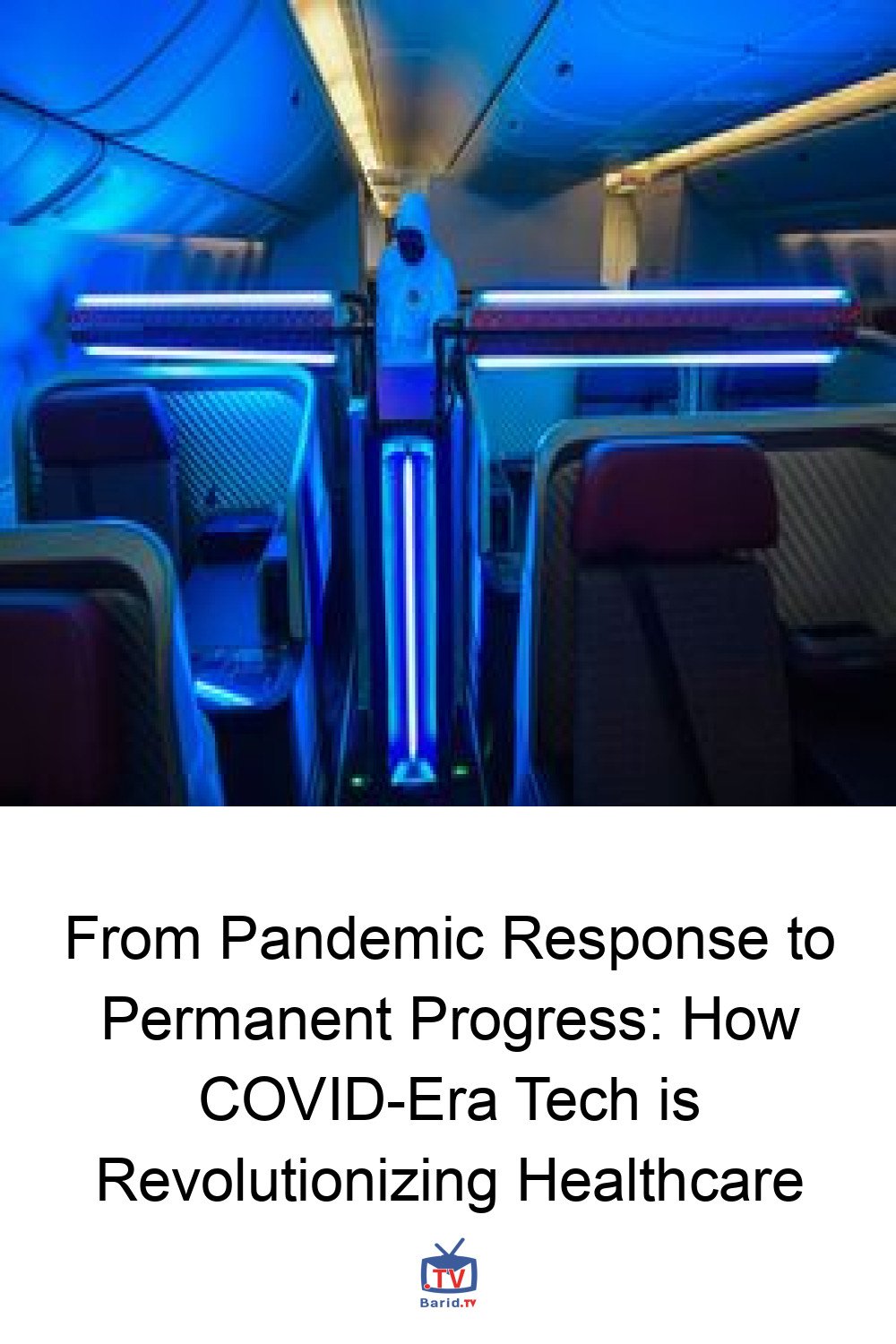
One compelling answer lies in filtered far-UVC technology. Unlike traditional germicidal UV, far-UVC can safely operate in occupied rooms because its light does not penetrate biological tissue deeply, yet it effectively disables airborne pathogens. This technology is rapidly transitioning from the lab to real-world applications. A Phase 2 trial in Denmark is installing far-UVC lamps in long-term care facilities, monitoring infection-related hospitalizations among 542 residents. In South Africa, researchers are investigating its potential to reduce airborne tuberculosis transmission.
Bridging the Gap Between Innovation and Adoption
The hardware for far-UVC has advanced quickly, with fixtures once costing thousands now available for around $500, making them accessible to schools, offices, and nursing homes. Yet, widespread adoption hinges on conclusive evidence from ongoing trials. While researchers are confident in the lamps’ ability to kill airborne pathogens, demonstrating a significant reduction in human infection rates remains the critical next step.
For more details, visit our website.
Source: Link







Leave a comment