



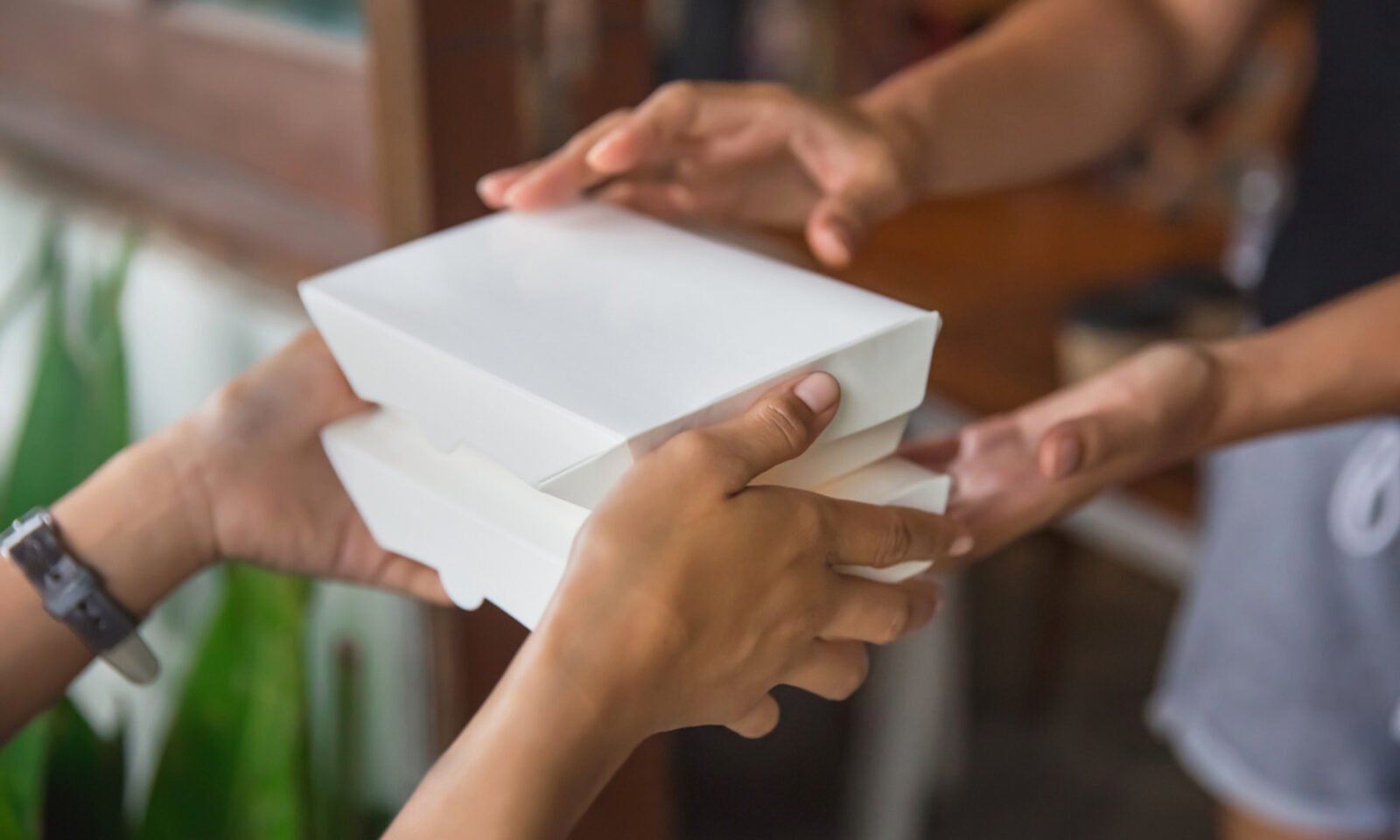

In an age where convenience often dictates our choices, the silent impact of everyday items on our health can be easily overlooked. From the plastic container holding your lunch to the wrapper of your favorite snack, these seemingly innocuous objects are constant sources of hormone-disrupting chemicals. While it might feel like an unavoidable part of modern life, a groundbreaking new study reveals just how quickly and significantly you can reduce your exposure with simple, actionable changes.
The Hidden Chemical Burden: A Pervasive Problem
You might not give a second thought to the plastic packaging your groceries come in, or the bottle of shampoo in your shower. Yet, these ubiquitous items contribute to a cumulative exposure to chemicals like phthalates and bisphenols. These compounds, commonly found in food packaging, kitchenware, and personal care products, are known endocrine disruptors, meaning they can interfere with your body’s hormonal systems.
Researchers behind the comprehensive PERTH trial set out to quantify this exposure. Their initial findings were stark: every single one of the over 200 adult participants had detectable levels of plastic-associated chemicals in their system. This wasn’t an isolated issue; it was a universal reality.
A Week to Wellness: The Transformative Power of Small Swaps
Following the baseline assessment, a smaller, randomized trial was conducted. For just seven days, participants embarked on a low-plastic experiment, swapping their usual routines for alternatives designed to minimize chemical contact. This involved choosing foods with reduced plastic packaging from production to plate, updating kitchen tools, and in some cases, opting for different personal care products. Crucially, calorie intake remained consistent – this was about chemical exposure, not dietary restriction.
The results were nothing short of remarkable. After merely one week, participants saw significant reductions in chemical levels: certain phthalates plummeted by over 40 percent, while bisphenols like BPA and BPS dropped by more than 50 percent in some groups. The most impactful changes stemmed from altering food sources and packaging, underscoring their critical role in daily exposure.
Beyond “BPA-Free”: Why Packaging Choices Matter Most
The study’s most compelling insight isn’t just the widespread nature of plastic exposure, but the body’s rapid response to change. These chemicals are not permanent residents; many have short half-lives, meaning your system is continuously processing and re-accumulating them based on your daily interactions. This offers a powerful message of hope: reducing exposure can yield quick benefits.
Highly processed and packaged foods emerged as consistent drivers of higher chemical levels. Even seemingly healthy options like fruits and vegetables showed elevated chemical concentrations when wrapped or stored in plastic compared to their less-packaged counterparts. Furthermore, the “BPA-free” label, while well-intentioned, doesn’t always solve the problem. Many products substitute BPA with alternatives like BPS, which appear to exert similar effects on the body. The real solution lies in minimizing overall plastic contact.
Practical Steps for a Lower-Plastic Lifestyle
The beauty of the PERTH trial’s findings lies in their practicality. Participants didn’t achieve a zero-plastic lifestyle; they simply targeted and reduced the most consistent sources. Here’s how you can integrate these insights into your daily routine:
Focus on Food First
- Choose Less Packaged Options: Opt for fresh produce that isn’t pre-wrapped.
- Rethink Canned Goods: When possible, choose fresh or frozen alternatives, or look for brands that use non-BPA/BPS lined cans.
- Store Smart: Transition from plastic containers to glass jars or stainless steel for leftovers and food storage.
Upgrade Your Kitchen Habits
- Avoid Heating in Plastic: Never microwave food in plastic containers, as heat can accelerate chemical leaching.
- Inspect Your Tools: Replace worn plastic utensils and cutting boards, as scratches can harbor and release chemicals.
- Embrace Alternatives: Consider using wooden, bamboo, or stainless steel kitchen tools.
Consider Personal Care Products
While food and kitchen changes showed the most dramatic impact, personal care products also play a role. The study noted measurable drops in certain phthalates simply by switching to lower-plastic or differently packaged products, such as opting for bar soap over liquid body wash in plastic bottles.
The Bottom Line: Small Changes, Big Impact
Completely eliminating plastic from your life is a daunting, if not impossible, task in our modern world. However, this study powerfully demonstrates that you don’t need to be perfect to make a profound difference. By consciously removing the most common and repetitive sources of plastic exposure, you can significantly reduce the burden of hormone-disrupting chemicals on your body in as little as one week. It’s a testament to the body’s incredible ability to cleanse itself, given the right conditions.
Source: https://www.nature.com/articles/s41591-026-04324-7
For more details, visit our website.
Source: Link







Leave a comment