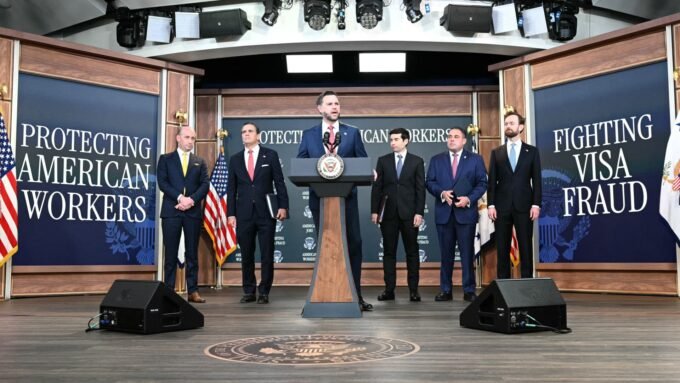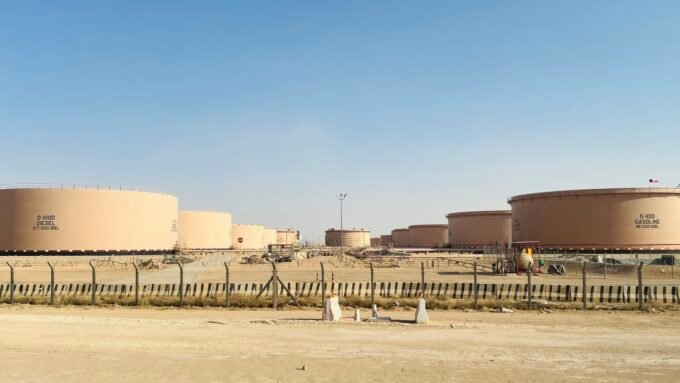

The White House has unveiled a scathing report accusing China of orchestrating a sophisticated, multi-billion dollar scheme to circumvent U.S. tariffs. This elaborate network, allegedly involving over 40 intermediary nations, is costing the United States an estimated $19 billion to $26 billion annually in lost tariff revenue.
The Transshipment Tangle: A Global Loophole
At the heart of the accusation is “transshipment,” a practice where Chinese goods, often nearly finished, are shipped to a third country. In these intermediary nations, minimal additional work is performed – perhaps a few stitches on a shirt – before the product is re-exported to the U.S., now falsely labeled as originating from the third country, thus benefiting from a significantly lower tariff rate.
A Global Network of Evasion
Led by White House trade adviser Peter Navarro, the report points fingers at a wide array of nations. China’s immediate Asian neighbors, including Vietnam and Malaysia, are prominently named. However, the alleged scheme extends far beyond, implicating major U.S. trading partners such as Canada, Mexico, and even members of the European Union, all accused of facilitating this tariff dodge.
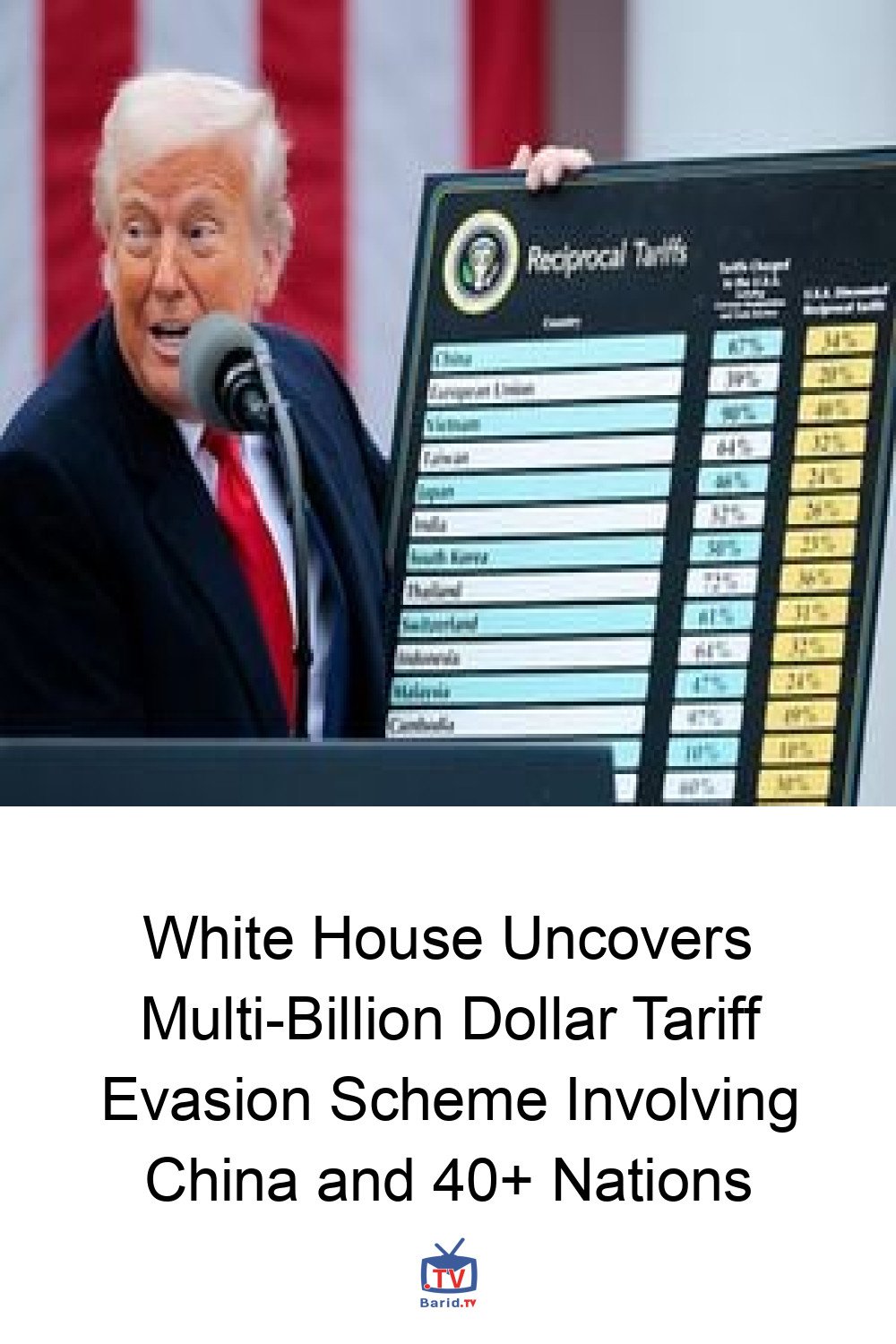
The financial incentive for such practices is stark. Chinese goods currently face an effective U.S. tariff rate of approximately 23% – more than three times the burden placed on products from other leading trade partners. This substantial disparity creates a powerful financial motive for exporters to funnel Chinese-made products into the U.S. through markets subject to lighter duties.
Billions at Stake: The Economic Fallout
While the report refrains from presenting entirely new evidence on the precise scale of transshipment within the U.S. economy, it draws upon external estimates suggesting the total value of such illicit trade could range from $40 billion to a staggering $303 billion. The White House’s specific estimate of $19 billion to $26 billion in lost tariff revenue underscores the significant financial impact on the U.S. treasury.
White House Countermeasures and Policy Paradox
In response to these allegations, the White House report advocates for a series of robust countermeasures. These include the deployment of AI-powered scanning technologies for cargo and documents at U.S. borders, alongside the implementation of tighter, more stringent rules for establishing a product’s true country of origin.
A Policy Paradox?
However, the U.S. tariff policy itself has drawn criticism. Deborah Elms, head of trade policy at the Hinrich Foundation, likens the current situation to “placing a $10 toll on one road and a $3 toll on another.” Elms argues, “This is a problem that you created, and now you are complaining that the countries are taking advantage of the problem that you created.” This perspective highlights the complex interplay between protectionist trade policies and the inevitable search for loopholes.
The report, notably, stops short of definitive conclusions regarding the effectiveness of current measures in curbing the illegal routing of Chinese goods. It acknowledges that insufficient time has passed to fully assess their impact, leaving the ongoing challenge of tariff evasion a pressing concern for U.S. trade policy.
For more details, visit our website.
Source: Link