
Clarity Act’s Fading Hope: Crypto Regulation Stalls Amid Senate Ethics Debate
The ambitious CLARITY Act, once hailed as a potential cornerstone for U.S. digital asset regulation, is facing its toughest challenge yet. Crypto prediction market Polymarket now places the bill’s chances of passing this year at a dismal 32%, a record low that reflects mounting skepticism as Senate negotiations continue to falter.
What began with an optimistic 82% chance in February has steadily eroded since early May, mirroring the narrowing legislative calendar and the persistent struggle to forge bipartisan consensus. The clock is ticking, and the industry‘s plea for clear rules appears to be falling on deaf ears.
The Clarity Act: A Blueprint for Digital Assets
At its core, the CLARITY Act aims to establish a much-needed federal framework for digital asset markets. Its primary objective is to draw a distinct line between assets regulated by the Securities and Exchange Commission (SEC) and those falling under the purview of the Commodity Futures Trading Commission (CFTC). This distinction is critical for an industry that has long grappled with regulatory ambiguity, often facing ‘regulation by enforcement’ rather than clear, predefined rules.
Why Clarity Matters
Supporters argue that the legislation would replace years of uncertainty with a predictable rulebook, fostering innovation and encouraging crypto activity to remain onshore. The absence of such clarity has been cited by industry leaders as a significant impediment to investment and growth within the U.S. digital asset ecosystem.
Senate Stalemate: The Ethics Hurdle
Despite ongoing back-channel discussions and the anticipation of updated legislative text, the bill’s progress remains gridlocked. The most significant sticking point? A bipartisan ethics provision. Senator Ruben Gallego (D-Ariz.), a key Democratic voice who previously supported advancing the bill out of committee, has firmly stated his refusal to back the legislation on the Senate floor without such a provision. Other Democrats echo these concerns, highlighting potential conflicts of interest involving public officials and digital assets.
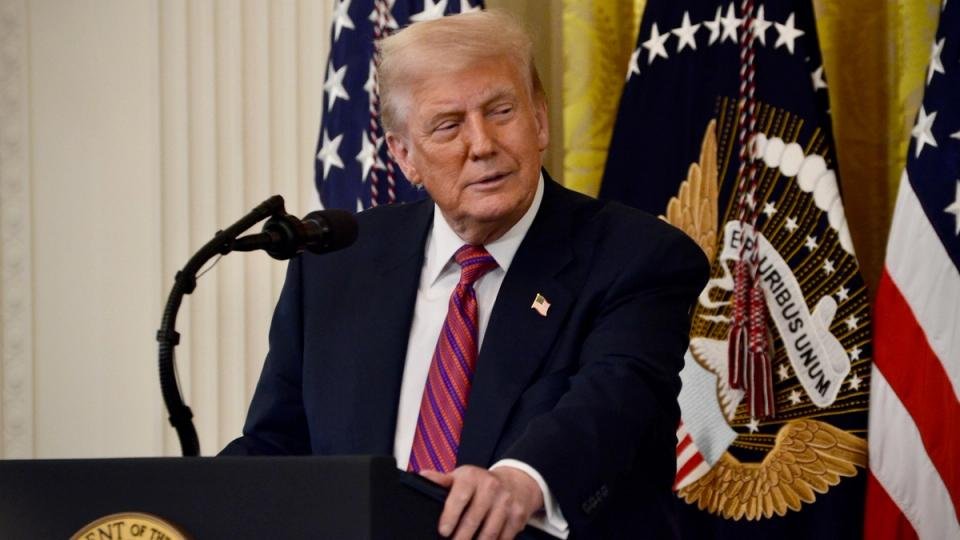
Recent high-level meetings, including one between President Donald Trump and Senate Republicans, have yet to yield a public breakthrough. The lack of an agreed-upon ethics language leaves one of the bill’s largest obstacles unresolved, casting a long shadow over its future.
Industry’s Urgent Call for Regulatory Certainty
As the legislative window shrinks, industry executives are intensifying their calls for Congress to act. During a recent House hearing, marking one year since the chamber passed its version of the legislation, leaders reiterated the critical need for clear regulation.
Voices from the Sector
- Sarah Aberg, Nova Labs: Emphasized that regulatory uncertainty has directly delayed investment, citing the Helium wireless network’s experience with an SEC lawsuit. “Clarity is not a call for deregulation; it is a call for the right regulation from the right regulator,” she asserted.
- Randy Abernethy, Bullish: Stressed the need for a “rule book” to keep digital asset markets under U.S. oversight, preventing firms from moving abroad.
- Ryan Louvar, WisdomTree: Highlighted that legislation would create durable rules, resilient to changes in presidential administrations.
- Jason Sommensatto, Coin Center: Argued the bill protects software developers while maintaining robust anti-money laundering and investor safeguards.
Time is Running Out
With Congress rapidly approaching its August recess and only a limited number of legislative weeks remaining afterward, the outlook for the CLARITY Act appears increasingly bleak. Traders on Polymarket are reflecting this grim reality, suggesting that without a swift resolution to the ethics debate and a surge in bipartisan cooperation, the landmark crypto market structure legislation may not reach the president’s desk before the close of 2026.
For more details, visit our website.
Source: Link