
In the high-stakes global race for artificial intelligence dominance, a new form of diplomatic charm offensive is emerging. As the United States and China solidify their leads, nations worldwide are scrambling to secure their footing, with leaders like French President Emmanuel Macron and Indian Prime Minister Narendra Modi personally spearheading efforts to court the world’s most influential tech CEOs. Their mission? To attract crucial investments in AI data centers, cloud infrastructure, and advanced chip manufacturing, ensuring their countries are not left behind in the technological revolution.
The Personal Touch: A New Era of Tech Diplomacy
Gone are the days when government-tech relations were solely the purview of trade delegations and policy papers. Today, the urgency of the AI revolution has propelled heads of state into direct, personal engagement with industry titans. Macron and Modi, in particular, have distinguished themselves through their proactive and hands-on approach, leveraging personal relationships to unlock billions in investment and critical infrastructure projects.
Macron’s French AI Ambition
French President Emmanuel Macron has been a vocal proponent of European technological sovereignty, and his efforts to woo AI giants are a testament to this vision. A notable success came at the G7 summit in June, where Macron personally convinced SoftBank CEO Masayoshi Son to commit tens of billions of dollars towards building AI data centers in France. Son recounted how Macron, highlighting France’s robust nuclear power capacity, successfully negotiated an increase in SoftBank’s planned data center capacity from 2GW to 3GW, part of a larger €75 billion program aiming for 5 GW by 2031.
Macron’s outreach extended beyond SoftBank. He hosted a working lunch with global leaders and a constellation of AI chiefs, including OpenAI’s Sam Altman, Anthropic’s Dario Amodei, and Google DeepMind’s Demis Hassabis, alongside European innovators like Mistral AI’s Arthur Mensch. This direct engagement underscores France’s strategy to position itself as a leading hub for AI development, powered by its energy independence.
Modi’s “Fortune in AI” for India
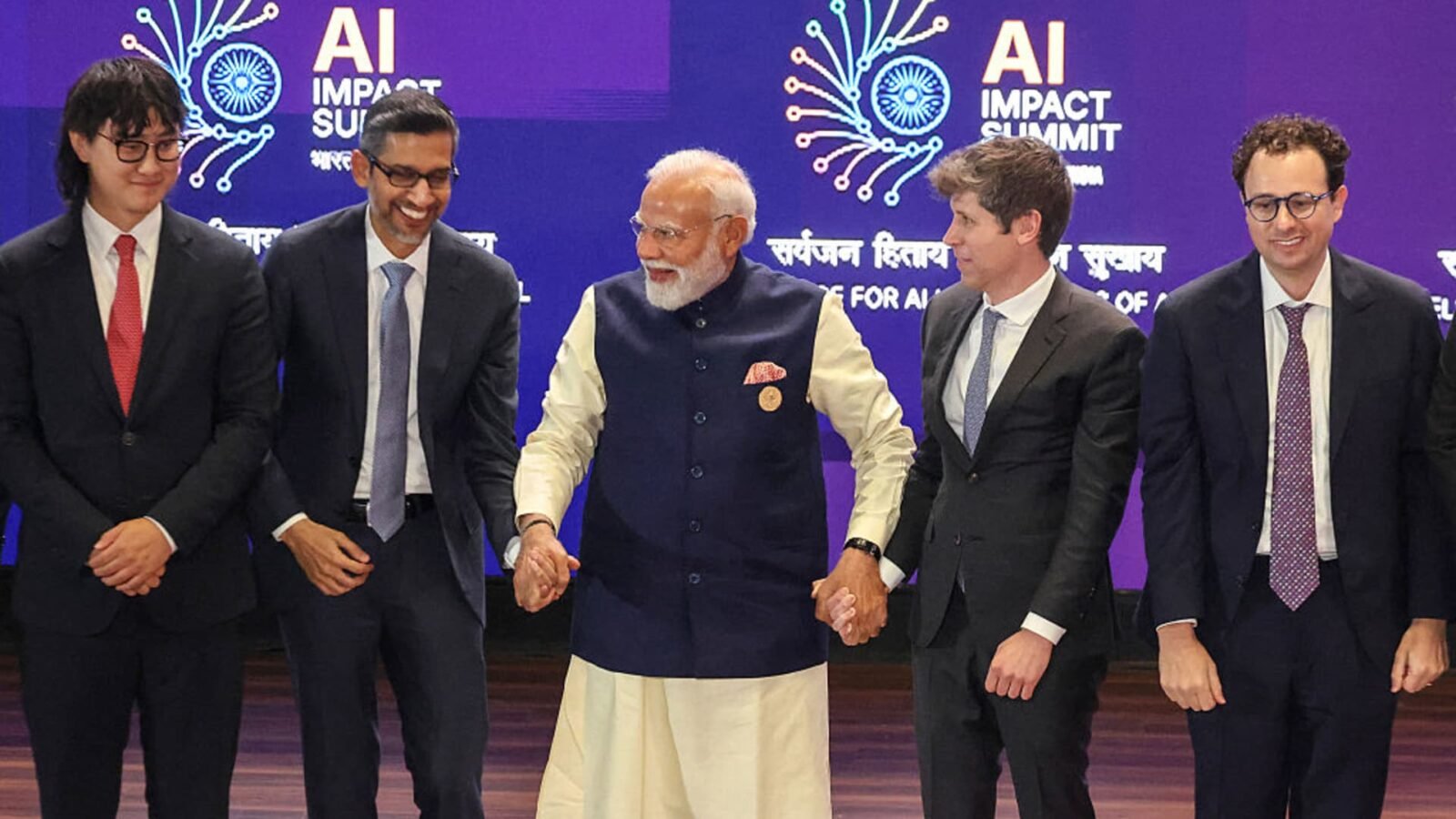
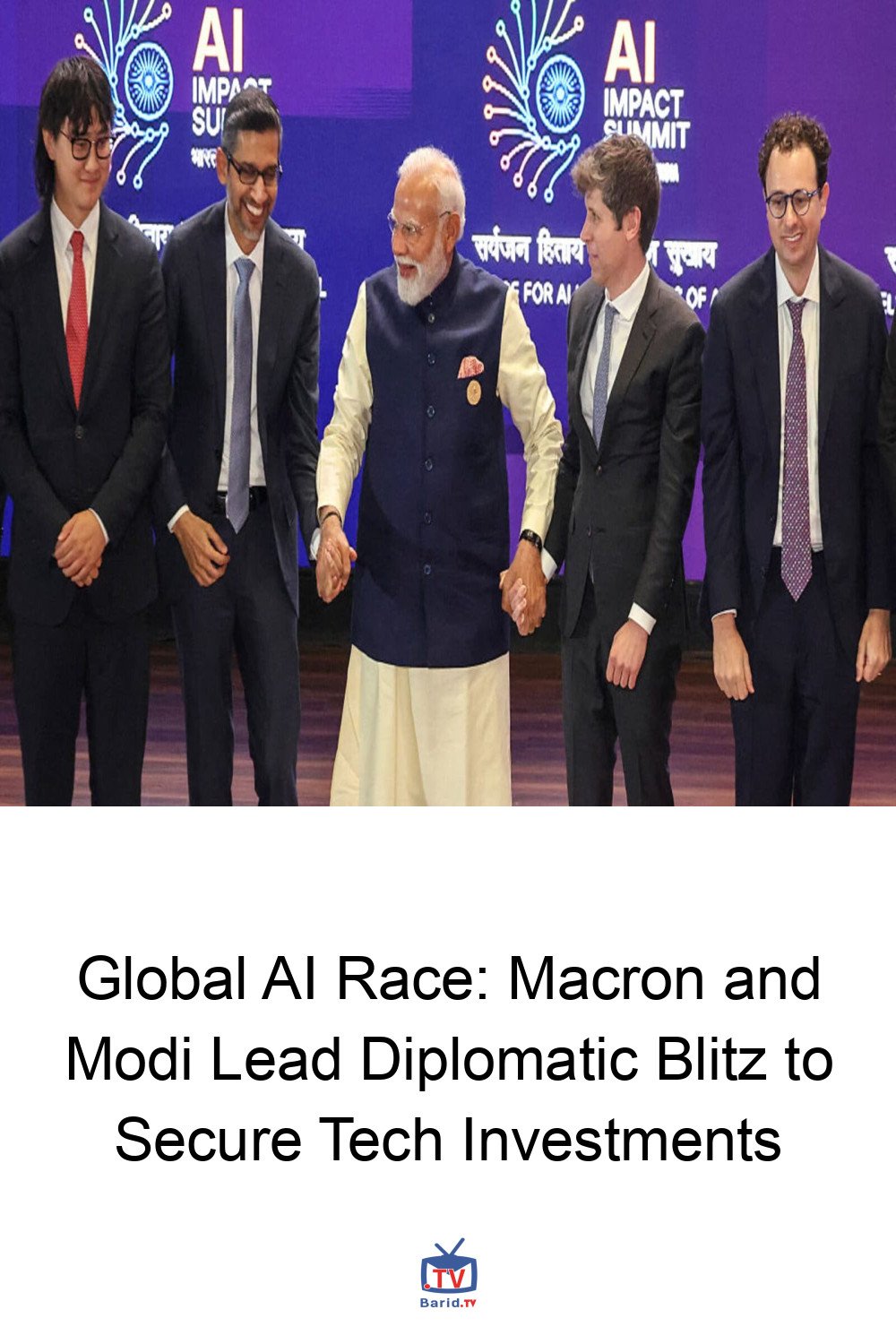
Indian Prime Minister Narendra Modi shares a similar zeal, viewing AI not with “fear” but with “fortune” and “future.” His personal charm offensive has led to significant commitments from global tech behemoths. Last year, Modi engaged with Microsoft’s Satya Nadella, Google’s Sundar Pichai, and Intel’s Lip-Bu Tan, all of whom pledged support for India’s burgeoning AI ecosystem. More recently, a meeting with Amazon CEO Andy Jassy secured a “record $48 billion investment” in India, with $21 billion earmarked specifically for AI and cloud infrastructure.
At the Global AI summit in India, Modi passionately urged global tech leaders to “Design and Develop in India,” emphasizing the nation’s potential to deliver AI solutions to the world. Despite being a relative laggard in cutting-edge chip production and frontier-scale foundation models, India is aggressively pursuing an “AI-first future.” The government is offering long-term tax breaks to encourage hyperscalers to build data centers and is fostering local semiconductor development, exemplified by ASML’s commitment to supply advanced lithography tools for Tata Electronics’ new fab.
These strategic moves are critical for India, which currently relies heavily on foreign AI models and hardware, making its ambitions vulnerable to external export controls. Modi’s urgency reflects a broader understanding that without substantial domestic infrastructure and capabilities, India risks missing out on the immense economic and strategic benefits of the AI era.
The Global Scramble for AI Supremacy
The proactive diplomacy of Macron and Modi highlights a critical juncture in the global technology landscape. As AI reshapes industries and societies, access to robust data centers, advanced chips, and skilled talent becomes paramount. Nations that fail to attract these foundational elements risk becoming mere consumers of foreign AI, rather than active participants and innovators.
The personal involvement of national leaders signals the strategic importance of AI infrastructure. It’s not just about economic growth; it’s about national security, technological sovereignty, and future competitiveness. The red carpet is indeed being rolled out, and the stakes couldn’t be higher as countries vie for a piece of the AI future.
For more details, visit our website.
Source: Link