
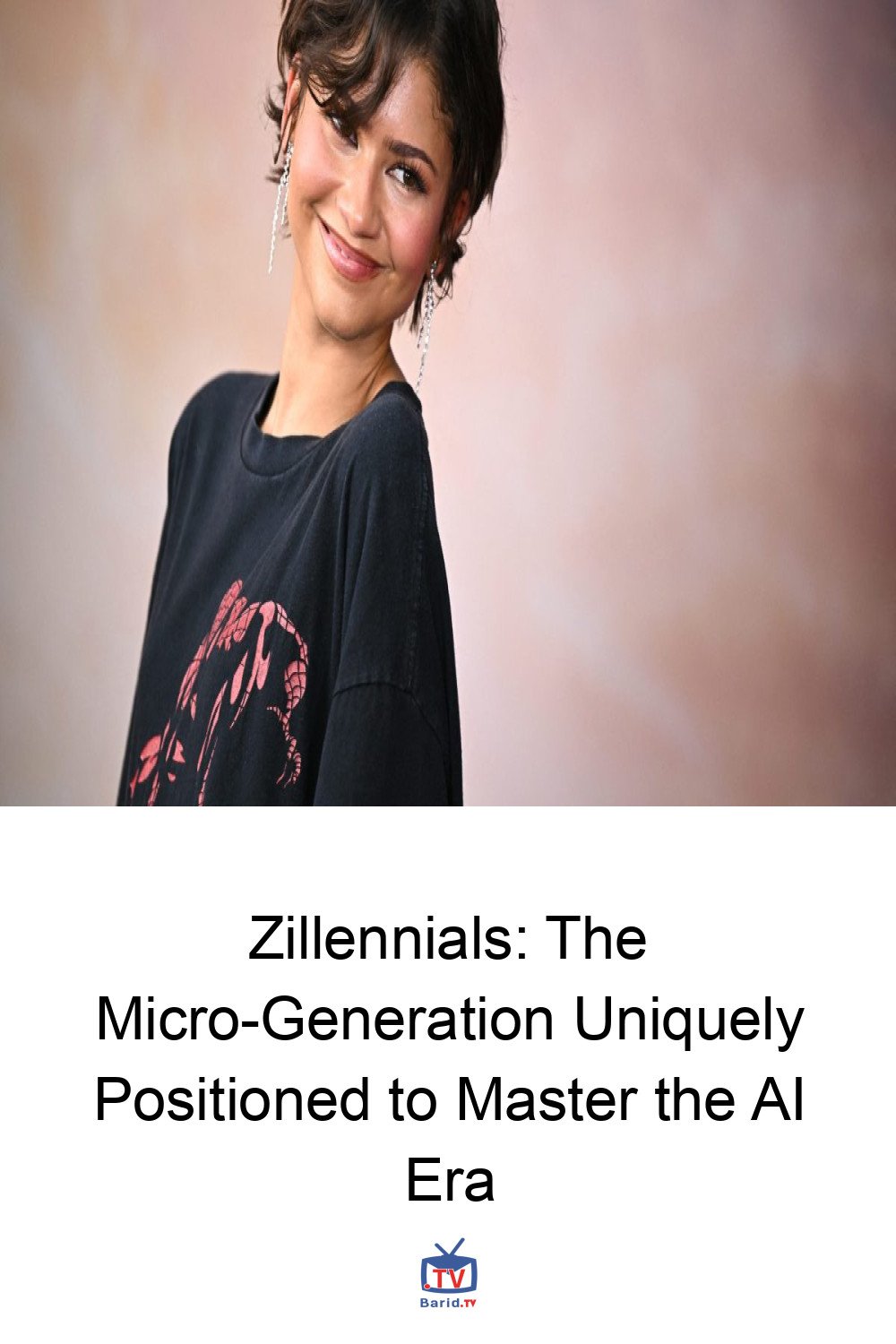
Remember the dial-up modem’s screech, the anticipation of an America Online box, or the satisfying click of a cassette recorder making a mixtape from vinyl? For many, these are distant, almost archaic memories. Yet, for a unique micro-generation, these analog experiences seamlessly blend with the fluidity of the digital age. Meet the Zillennials, born roughly between 1993 and 1998, a cohort now emerging as arguably the luckiest and most adaptable in today’s rapidly evolving workforce.
The Rise of the Zillennials: A Fortunate Cohort
Just as Xennials—those born between Gen X and Millennials—bridged the gap between a pre-internet world and the dawn of digital, Zillennials are carving out their own distinct niche. They experienced childhoods filled with physical media, offline friendships, and desktop computers, yet matured into a world dominated by smartphones, the gig economy, and the transformative power of generative AI. This dual exposure has equipped them with a rare “bilingualism” in technology, allowing them to navigate both old and new paradigms with remarkable ease.
Bridging the Analog-Digital Divide
This isn’t merely about using new tools; it’s about understanding the world both with and without them. The ability to recall a time before ubiquitous digital connectivity provides a critical perspective, fostering a deliberate and structured approach to problem-solving that complements their native digital fluency. This unique blend positions Zillennials to not just adapt to technological shifts, but to master them.
The “Plastic Brain” Advantage: Neuroscience of Adaptability
The secret to this adaptability lies in a profound cognitive advantage: brain plasticity. Neuroscientists have long understood the brain’s remarkable ability to reorganize itself in response to new experiences, particularly during the formative years when the prefrontal cortex—responsible for judgment, adaptability, and contextual reasoning—is still developing, typically into the mid-20s.
Why Zillennials Thrive in the AI Era
Zillennials hit their prime developmental window precisely as the digital revolution accelerated and, more recently, as generative AI began its ascent. This timing allowed them to absorb these new technological paradigms natively, fostering a unique capacity to “think” in two technological languages. In a labor market increasingly demanding the ability to direct and interrogate AI tools, rather than merely operate them, this bilingualism is proving to be a significant structural edge.
Evidence supports this: PwC’s recent Global AI Jobs Barometer revealed that workers with AI skills now command a staggering 62% wage premium globally, a sharp increase from 25% in 2024. Furthermore, entry-level roles in highly AI-exposed occupations are seven times more likely to require senior-level skills like critical thinking, judgment, and stakeholder management—qualities inherently nurtured by this dual technological perspective. This is precisely where Zillennials shine.
Echoes of the Xennials: A Precedent for Success
The Xennial generation, who came of age during the commercial internet’s explosion, offers a compelling precedent. They were the “Angela Chases” of the world, raised on rotary phones and physical encyclopedias, who then seamlessly integrated digital tools into their adult lives. This cohort demonstrated the power of retaining analog habits of structured thinking while embracing digital fluency.
Intentional Integration vs. Native Adoption
Pew Research has highlighted that older Millennials (which includes Xennials) lead other generations not just in technology ownership, but in the intentional integration of technology into professional life. This suggests that understanding a world without a tool allows for more thoughtful and effective adoption when it arrives. While the Millennial generation’s economic outcomes varied, with wealthier individuals who secured stable careers before 2008 accumulating more wealth, the underlying principle of technological bilingualism as a compounding advantage remains clear.
As a new “bilingual” generation forms in today’s middle-school classrooms, poised to navigate the next AI fault line, the Zillennials stand as a testament to the power of timing and adaptability. Their unique position, straddling the analog past and the AI-powered future, grants them an unparalleled advantage in shaping the workforce of tomorrow.
For more details, visit our website.
Source: Link