
A New Rhythm for the Beautiful Game
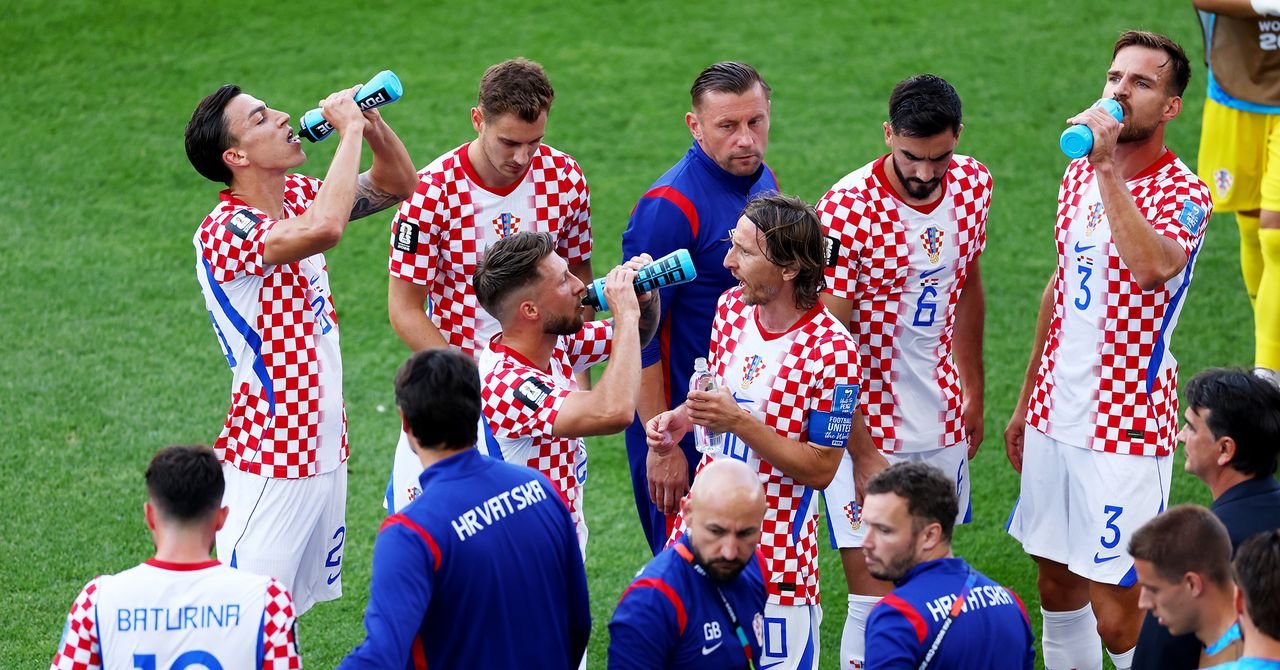
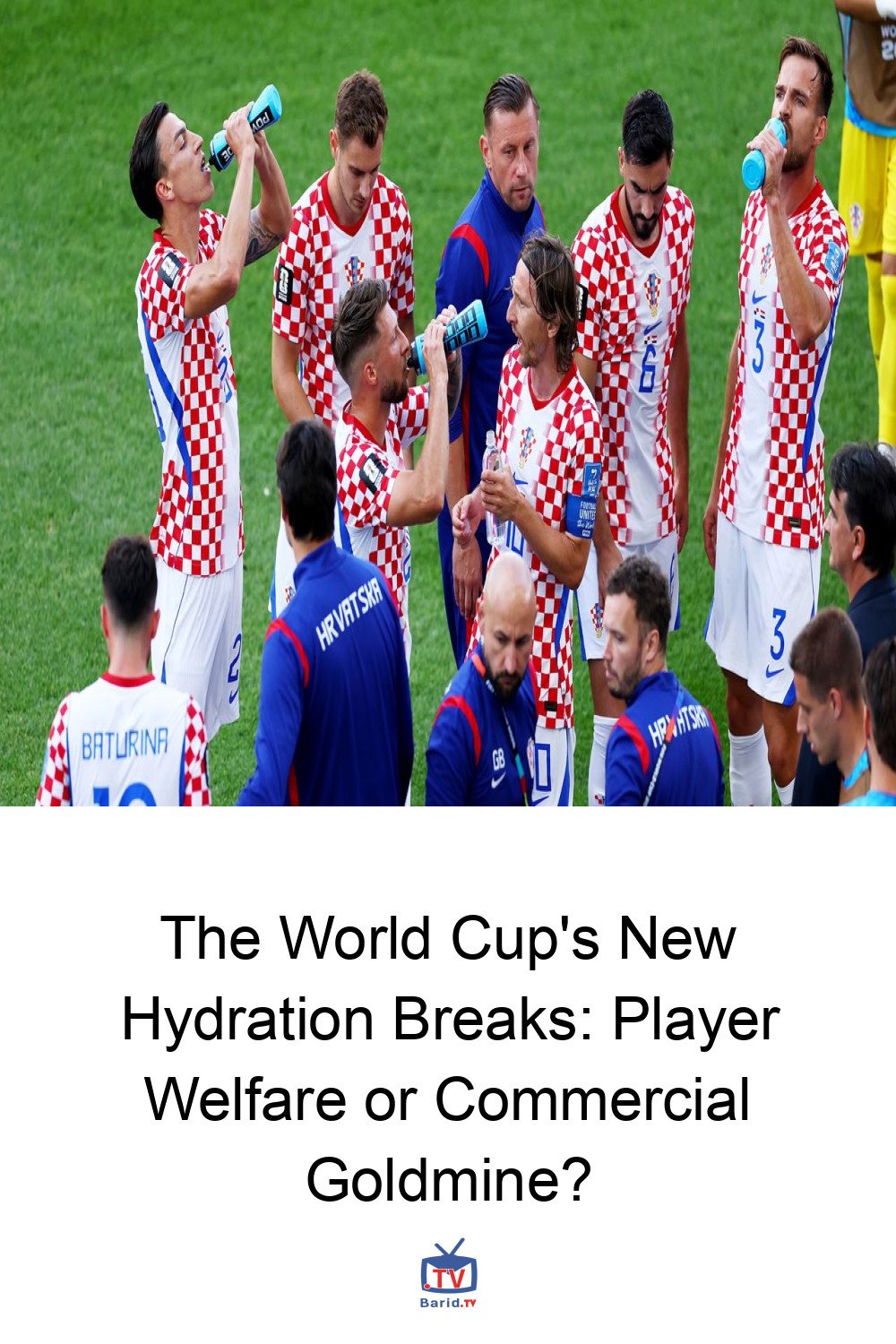
This summer, football fans tuning into World Cup matches across the US, Mexico, and Canada will witness an unprecedented pause. At approximately the 22nd and 67th minute of each game, play will halt for three minutes. FIFA asserts these “hydration breaks” are crucial for player well-being, a response to the physical demands and potential heat stress of top-tier competition. Intriguingly, these breaks are mandated irrespective of the actual weather conditions, even on temperate days in cities like New York or Los Angeles.
The Commercial Undercurrent
Beneath the veneer of player welfare lies a significant financial implication. Though FIFA remains tight-lipped about exact figures, these predictable, guaranteed stoppages create invaluable commercial windows within live broadcasts. For broadcasters like Fox, which is reportedly set to earn an estimated $250 million from commercials during these breaks in the US alone, this represents a lucrative new advertising inventory.
Fan Backlash and the Spirit of Football
The introduction of scheduled breaks has not been met with universal acclaim. Fans and players alike have voiced strong objections, arguing that these commercial interruptions fundamentally disrupt the continuous flow that defines football.
Ghazi Saoud, a 26-year-old football enthusiast from Chicago, candidly labels these hiatuses as “concealed advertisement breaks.” He emphasizes that football’s enduring appeal stems from its largely unchanged format over 150 years: 90 minutes of continuous play, divided into two 45-minute halves. While water breaks have historically occurred out of genuine necessity, Saoud, like many, believes these pre-scheduled pauses fundamentally alter the game’s cherished rhythm.
David Goldblatt, a leading football historian and author of The Ball Is Round: A Global History of Football
, echoes this sentiment. “I see the argument under conditions of climate stress, but you need a break, you need an extra drink—you don’t need three minutes,” Goldblatt states. “Nobody needs three minutes to drink a glass of water. Why are they three minutes?”
The Americanization of the World Cup?
This tension over hydration breaks is symptomatic of a larger struggle over the World Cup’s evolving identity. The tournament is a financial behemoth, with an estimated $3.9 billion projected from broadcast rights and another $1.8 billion from sponsorship and marketing for 2026. Global advertising spend related to the 2026 World Cup is forecast to hit an astounding $10.5 billion.
For some sports experts, this aggressive commercialization signals a distinct shift towards an American-style sports entertainment model. Mark Dyreson, a professor of kinesiology and sports history at Penn State, observes, “I think you do see a definite Americanization in this particular World Cup… what FIFA is doing is sort of normal and natural in the course of business although it offends a lot of longtime soccer connoisseurs.”
However, Goldblatt cautions against viewing 2026 as a sudden turning point, noting that “Football’s been commercializing like crazy for 40 years… It’s been taking lessons from the United States sports market in a hundred different ways for the last 30 or 40 years.” The 2022 Qatar World Cup, the most-watched tournament on record, already demonstrated FIFA’s increasing revenue generation, with broadcast rights alone bringing in $2.96 billion.
FIFA’s Stance: Welfare and Market Relevance
Despite the commercial criticisms, FIFA maintains that player welfare is paramount. In a statement, the organization defended the blanket policy, asserting that breaks will occur in every match “to ensure equal conditions for all teams, in all matches,” regardless of temperature. This proactive approach is perhaps more pertinent given climate scientists’ predictions of increasingly hotter years, with 2030 potentially seeing the hottest on record. Simon Chadwick, a professor of sport and geopolitical economy, suggests a practical logic: a universal rule is simpler to implement than debating temperature thresholds for each game.
Chadwick also offers another perspective on FIFA’s strategy: maintaining market share. In a crowded global entertainment landscape where leagues from the NBA to Formula 1 vie for audience attention, FIFA is actively striving to stay competitive and relevant. The focus on the US market, the world’s largest domestic sporting economy, is a deliberate move to “reap the commercial benefits” of hosting the tournament there.
While FIFA explicitly rejects the notion that breaks were introduced solely for advertising inventory, the confluence of player safety, commercial opportunity, and market strategy paints a complex picture. The 2026 World Cup’s hydration breaks are more than just a pause in play; they are a microcosm of football’s ongoing evolution, balancing tradition with the relentless pressures of modern global commerce and player well-being.
For more details, visit our website.
Source: Link